


It’s no surprise that we all wish to keep those bothersome dark circles at bay for as long as possible. In the delicate area surrounding our eyes, it’s crucial to provide it with the extra eye-dilic care it deserves. That’s where eye creams come into play!
In the dynamic world of beauty products, few items have ignited as much intrigue and conversation as eye creams. With a plethora of ingredients claiming to diminish under-eye shadows, a significant question arises: Is retinol or caffeine eye cream more effective? Both are incredibly vital in eye care, but which one truly excels at combating those stubborn dark circles?
To uncover this mystery, we will explore the realms of retinol and caffeine eye creams, analyzing their potential advantages, recommended usage, and compatibility with other products. Our goal is to determine which option—or possibly both—could be the ultimate solution for those pesky dark circles.
Diving Deep Into the Causes of Dark Circles
If you think about it, our eyes are constantly at work, expressing emotions like love, laughter, and joy, and unfortunately, sometimes portraying tiredness through dark circles. While many people link sleep deprivation to these under-eye shadows, the reality is that various factors contribute to their appearance.
Let’s discuss some of the most prevalent causes of under-eye shadows, beginning with the most common contributor, to evaluate whether retinol or caffeine may serve as the best treatment options:
Lack of Quality Sleep:
When you don’t get enough quality sleep—typically around 7 to 9 hours per night for most adults—fluid can accumulate beneath your eyes, leading to the puffiness and discoloration we associate with dark circles. If your under-eye shadows stem from sleep deprivation, the encouraging news is that establishing a consistent sleep schedule may help reverse the issue.
Aging and Its Effects:
As we age, our body’s collagen production decreases, which causes the skin to lose its inherent strength and elasticity, making it more prone to dark circles. The delicate skin around the under-eye area also tends to thin out and lose volume, allowing the blood vessels underneath to become more visible, leading to pronounced under-eye shadows.
Genetic Factors:
Some hereditary elements may predispose certain individuals to dark circles throughout their lives. If your family members, such as parents or siblings, have noticeable dark skin under their eyes, there’s a higher likelihood that you may experience similar issues.
Lifestyle Choices:
Healthy skin starts with healthy habits. Lifestyle choices like poor nutrition, smoking, excessive alcohol and caffeine consumption, neglecting sunscreen, excessive screen time, lack of exercise, and inconsistent sleep and skincare routines can all contribute to dark circles. Establishing a regular routine of healthy habits and ensuring adequate sleep can significantly help mitigate dark circles, which is crucial for your overall well-being.
Dehydration and Its Impact:
Whether for hydration or social status, many people are seen carrying large water bottles. Regardless of the reason, hydration is essential. Dehydration can cause the under-eye area to appear dull, hollow, and discolored. If you’re already drinking enough water, consider whether other beverages—like alcohol and caffeine—could be contributing to dehydration.
Are dark circles making you lose sleep, only to exacerbate the issue? While dark circles may be cute on animals like pandas, they are less charming on our faces, and they can affect us significantly. These dark shadows can lead to frustration for many individuals! Although dark under-eyes are usually harmless, they can impact one’s self-esteem.
Being the most visible organ, skin has a profound effect on personal appearance. Those with dark under-eyes may feel self-conscious about their appearance, which can lead to a decline in confidence. Dark circles can hinder social interactions, both professionally and personally. Thus, it’s essential to educate ourselves about dark circles and available treatment options.
Fortunately, recent advancements in skincare have brought forth effective ingredients like retinol and caffeine, which can work wonders in combating those stubborn dark circles. Remember, there’s no need to feel ashamed about under-eye shadows—everyone has their struggles.
Stay Updated with Our Newsletter
for more blog updates and exclusive discounts
The Importance of Retinol in Eye Care
Among the myriad of anti-aging ingredients available, one contender has consistently maintained its status as a top choice for decades. Often referred to as the ‘fountain of youth,’ retinol is hailed as the beauty industry’s gold standard for warding off signs of aging. However, it’s essential to note that not all forms of retinol or its derivatives are created equal.
Before diving into the intricate details of this anti-aging powerhouse, let’s clarify what retinol is and how it contributes to healthy skin as we age. Retinol is a preformed form of vitamin A derived from animal sources, known as retinoids, which we typically avoid. In contrast, vegan retinols are synthetic versions of retinol and are essential components in our anti-aging treatments, along with other natural vitamin A enhancers.
Thanks to its remarkable properties—ranging from anti-aging to anti-inflammatory—retinol plays a crucial role in skincare. Products infused with retinol are incredibly beneficial for various skin types, from acne-prone to aging skin. This vitamin A derivative is effective in unclogging pores, countering free radical damage, reducing the appearance of fine lines and wrinkles, and supporting collagen and elastin production to promote youthful, supple skin.
If you’re already impressed with retinol’s skin-enhancing benefits, brace yourself for its eye-opening advantages when it comes to dark circles and aging concerns! Retinol significantly stimulates collagen production in the skin, enhancing both texture and elasticity. The increase in collagen and the renewal of new skin help to revitalize thinning under-eye skin, resulting in a noticeable reduction in dark circles.
A 2015 study published in the Journal of Cosmetic Dermatology highlighted that using retinol for 12 weeks resulted in substantial improvements in the appearance of fine lines and wrinkles around the eyes. Beyond boosting collagen, retinol also accelerates the skin cell turnover rate. This means it encourages the emergence of fresh skin at a faster pace, helping to diminish dark spots and enhance the overall texture.
Our Retinol PM Eye Cream is a hydrating formula packed with anti-aging vitamins, stem cells, and peptides designed to enhance collagen production, increase elasticity, and minimize the visibility of wrinkles. Incorporating an eye cream featuring retinol—along with plant stem cells and peptides—is one of the most effective ways to achieve significant improvements in the delicate eye area, leading to a reduction in crepey skin, wrinkles, and fine lines. If you’re asked for your secret to youthful skin, just mention that you’ve discovered the ‘fountain of youth’ and where to find it.
Unlocking the Benefits of Caffeine for Dark Circles
We’ve been buzzing about the advantages of caffeine in treating dark circles for quite some time. Caffeine possesses remarkable properties that can work wonders for your eyes. Think of it as coffee for your skin, providing the necessary lift to tackle those dark circles. Just as a caffeinated drink can jumpstart your day, a caffeine-infused eye cream revives your tired under-eye area—perhaps both should don capes!
Beyond its primary effects, a caffeinated eye cream offers several additional benefits for mitigating dark circles.
Reduces Inflammation Effectively
As a vasoconstrictor, caffeine helps tighten the blood vessels beneath the eyes, diminishing blood flow to that area and alleviating inflammation, including puffiness. This eye-dilic ingredient also acts as a diuretic, aiding in the reduction of water retention, another cause of puffy eyes.
Diminishes the Appearance of Dark Circles
Caffeine’s anti-inflammatory properties can calm and soothe the skin, making it especially effective in reducing redness and irritation around the eyes, resulting in a more even and balanced complexion.
Enhances Blood Circulation
Caffeine is known for its vasoconstrictive properties, which help narrow blood vessels. When applied topically, caffeine can significantly improve blood circulation around the eyes. This increased blood flow can effectively reduce fluid retention and enhance the appearance of puffiness.
So, how do these caffeine-rich ingredients work their magic against dark circles? Moreover, can a caffeinated eye cream deliver results comparable to ‘Jack’s Beanstalk’? Absolutely!
Similar to how caffeine can perk us up, coffee beans and green tea can provide a double dose of revitalization for our eyes. Caffeine eye creams utilize their unique properties to address various concerns around the eye area. Renowned for its vasoconstrictive and antioxidant effects, caffeine plays an essential role. It constricts blood vessels, minimizing puffiness and under-eye bags by enhancing circulation and reducing fluid retention.
Caffeine also stimulates microcirculation, which is vital for alleviating dark circles. This natural stimulant effectively reduces puffiness and inflammation around the eyes by constricting blood vessels and decreasing fluid buildup. Eye creams infused with caffeine can help diminish the appearance of under-eye bags and dark circles. Additionally, caffeine can protect under-eye skin from sun damage by blocking UV rays, effectively preventing hyperpigmentation that can worsen the appearance of dark circles.
Speaking of the powerful combination of coffee and green tea, we’ve created an eye cream that harnesses the anti-inflammatory properties of both ingredients to reduce puffiness while boosting circulation, brightening dark circles.
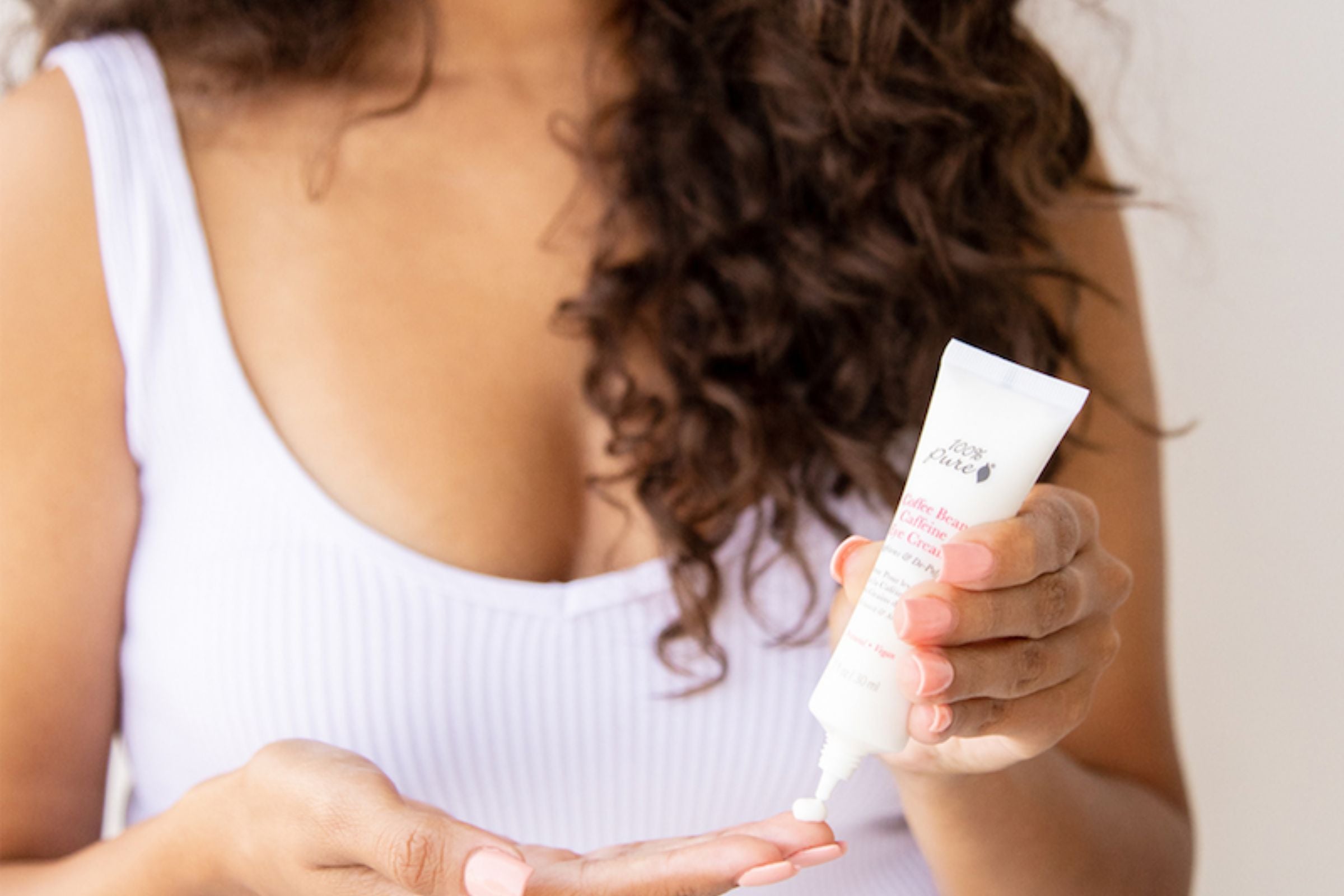
Introducing Coffee Bean Caffeine Eye Cream
The efficacy is backed by numbers and clinical studies. Our renowned skincare product, Coffee Bean Caffeine Eye Cream, stands out in its category. The loyal following of this natural eye cream is not to be overlooked. There’s a reason our customers keep purchasing it: they’ve experienced its potent brightening and rejuvenating effects on the under-eye area.
Thanks to the energizing benefits of green tea and coffee in this concentrated formula, it offers substantial eye-brightening and depuffing results. Suitable for all skin types, it revitalizes the fatigued eye area with naturally derived caffeine, stimulating microcirculation to detoxify fluid buildup and reduce dark circles. Additionally, it contains powerful antioxidants, vitamins, and plant extracts designed to shield the delicate eye area from environmental aggressors.
Evaluating Retinol vs. Caffeine for Dark Circles
While both retinol and caffeine offer beneficial effects for the skin and eyes, it’s essential to recognize the key differences between them. Let’s compare the abilities of retinol and caffeine in addressing dark circles and their suitability for various skin types, helping you identify the best treatment option.
Retinol is a form of Vitamin A famously recognized for stimulating collagen and elastin production, enhancing cell turnover, and reducing signs of aging around the eyes and skin. This remarkable ingredient not only combats fine lines and crow’s feet but also promotes collagen production and cell turnover, resulting in fresher, plumper, and more hydrated under-eye skin.
Retinol products are extremely beneficial for a diverse range of skin types, from acne-prone to aging. This vitamin A derivative aids in unclogging and minimizing pores, counteracting free radical damage, and balancing the complexion for a more youthful and supple appearance. The combination of increased collagen and rejuvenated skin can significantly reduce the visibility of dark circles.
Caffeine addresses various concerns in the eye area through its unique properties. Known for its vasoconstrictive and antioxidant effects, caffeine plays a vital role. It constricts blood vessels, helping to reduce puffiness and under-eye bags by improving circulation and minimizing fluid retention.
Caffeine also serves as a potent antioxidant, neutralizing harmful free radicals. By combating oxidative stress, caffeine protects the delicate skin around the eyes from damage caused by environmental factors such as pollution and UV rays. Additionally, it possesses anti-inflammatory properties that soothe the skin, helping to reduce redness and irritation, leading to a more balanced complexion. Nearly all skin types can benefit from caffeinated skincare and eye care products.
Like any powerful beauty product, there are essential dos and don’ts to be aware of. Retinol can degrade in sunlight, so it’s crucial to apply retinol products exclusively at night. Therefore, our nighttime-friendly retinol products specify that they should only be used in the evening—so be sure to follow this guideline!
Using retinol at night allows it to work most effectively while keeping your skin safe. When exposed to sunlight, retinol breaks down, increasing skin sensitivity and vulnerability due to the weakening of the skin’s outermost layer. This breakdown from sun exposure can lead to mild to severe adverse reactions, ranging from skin irritation to lesions and an increased risk of melanoma.
Even certain artificial lights emit small amounts of UV rays, increasing the potential for adverse reactions, so when using retinol at night, avoid direct exposure to fluorescent or halogen light sources. Remember the golden rule: retinol works best at night!
It’s also crucial to mention that retinol and some vitamin A derivatives have been identified as unsafe for pregnant or breastfeeding women, even with topical application. Due to limited research regarding the safety of retinol during pregnancy or breastfeeding, it’s advisable for women in these situations to avoid retinol altogether or consult their healthcare provider for alternative options.
Regarding caffeine’s effectiveness in treating dark circles: as a natural vasoconstrictor, caffeine can reduce swelling by narrowing blood vessels, consequently minimizing the visibility of dark circles and puffiness. However, there are some limitations and considerations based on skin type and bone structure. The best option for reducing dark circles with caffeine eye cream ultimately depends on the underlying cause.
If you have sensitive eyes, opt for a caffeine eye cream formulated with natural ingredients that are gentle and suitable for sensitive skin. Additionally, certain genetic factors or bone structures may predispose some individuals to dark circles throughout their life.
Pregnant and menstruating women might also notice dark circles beneath their eyes. If you often experience under-eye circles during your menstrual cycle, it’s advisable to discuss this with a healthcare professional, as rare cases may indicate an underlying medical condition, such as iron deficiency or thyroid disorder, leading to discoloration.
How to Incorporate Retinol and Caffeine into Your Skincare Routine
Below is a step-by-step guide to effectively using the 100% PURE Coffee Bean Caffeine Eye Cream and incorporating it into your skincare routine alongside other products from 100% PURE:
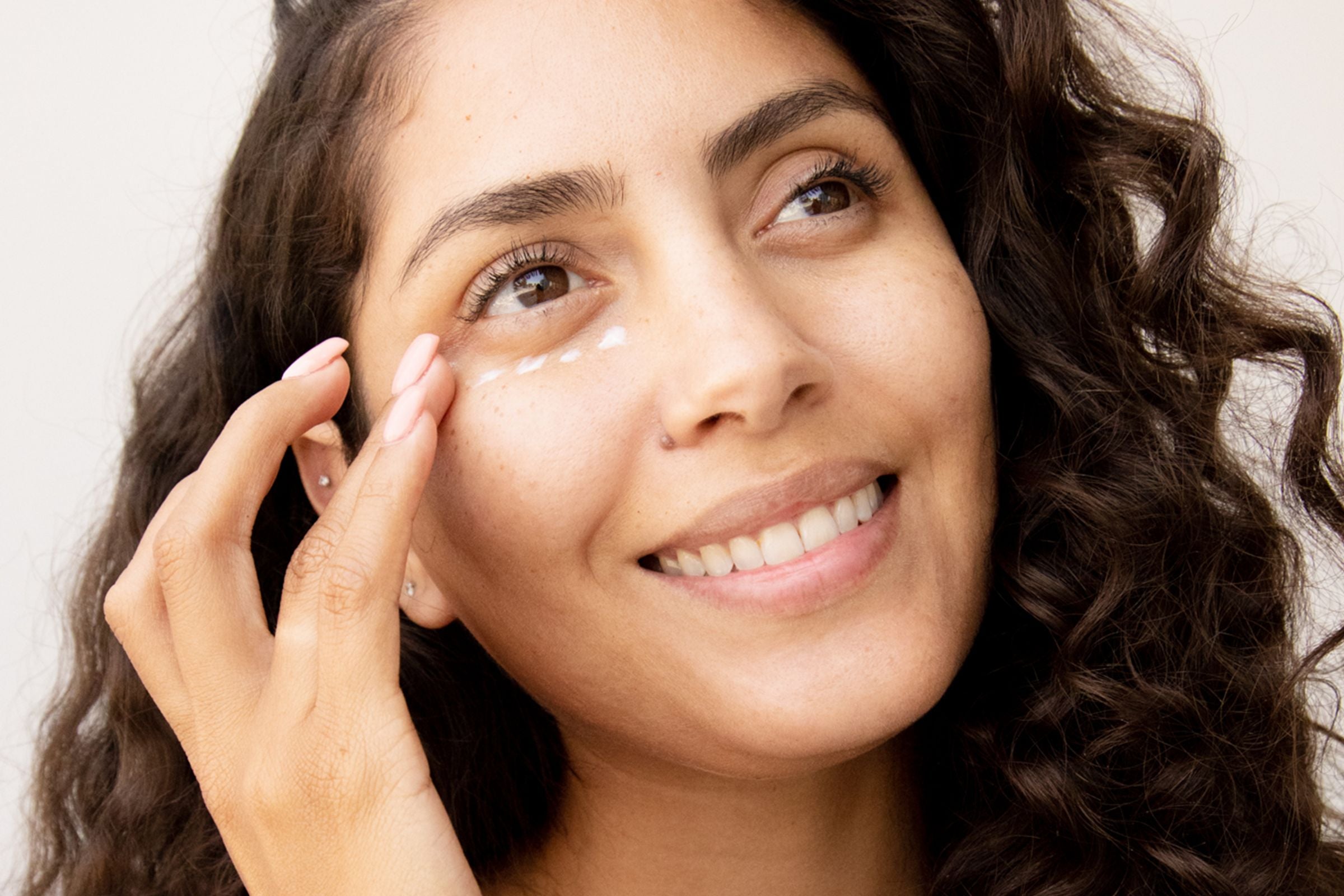
Proper Eye Cream Application: Take a small amount of the 100% PURE Coffee Bean Caffeine Eye Cream and gently tap it around the eye area using your ring finger. Start from the inner corner and move towards the outer corner. Avoid applying the cream too close to the lash line.
Follow Up with Serum Application: Next, apply the 100% PURE Coffee Bean Caffeine Face Serum. Use a few drops on your fingertips and lightly press the serum into your skin, focusing on areas that require special attention or overall coverage.
Moisturizing Step: Complete your routine with a moisturizer from 100% PURE, such as the Coffee Bean Face Cream. Use an adequate amount and massage it into your skin using upward strokes.
Sun Protection is Key: During the daytime, don’t forget to apply a broad-spectrum sunscreen from 100% PURE, like their Green Tea SPF 30 or any other suitable option.
Final Thoughts on Eye Care Solutions
Generally, both retinol and caffeine are safe to use, though it ultimately depends on your skin type and individual sensitivities. Both ingredients provide similar benefits, which is why many dermatologists endorse using them together. If you have dull and dry skin, you may find that caffeine works best for you initially. Conversely, if fine lines and wrinkles are your primary concern, begin incorporating retinol into your daily skincare regimen. Utilizing both products together can significantly expedite improvements in your skin’s texture and overall appearance.
var windowWidth,lazyLink,lazyImages,lazySource,lazyBackground,lazyIframe,lazyScripts,navigator_platform,lazyLoadedJS,src,style,datasrc,urls,analytics,s,x,i,j,flag;
function init(){flag&&(flag=0,load_all_js(),lazyLoadImg(),lazyLoadBackground(),lazyLoadIframe(),lazyLoadSource())}
function isElementInViewport
var a=t.getBoundingClientRect();
return a.top>=0&&a.left>=0&&a.bottom<=(window.innerHeight||document.documentElement.clientHeight)&&a.right<=(window.innerWidth||document.documentElement.clientWidth)
}
function insertAfter(newNode, referenceNode) {
referenceNode.parentNode.insertBefore(newNode, referenceNode.nextSibling);
}
function isElementInView
var a=t.getBoundingClientRect();
return a.top(window.innerHeight/2||document.documentElement.clientHeight/2)
}
function lazyLoadLink(){
lazyLink.forEach(function
t.href=null==t.dataset.href?t.href:t.dataset.href
})
}
function lazyLoadImg(){
lazyImages.forEach(function
null!=(src=windowWidth<600?null==t.dataset.mobsrc?t.dataset.src:t.dataset.mobsrc:t.dataset.src)&&(t.src=src),t.classList.remove("lazy2")
})
}
function lazyLoadImg2(){
lazyImages.forEach(function
isElementInViewport
})
}
function lazyLoadSource(){
lazySource.forEach(function
t.srcset=null==t.dataset.srcset?t.srcset:t.dataset.srcset
})
}
function lazyLoadBackground(){
lazyBackground.forEach(function
lazybg=windowWidth<768?null==t.dataset.mobstyle?t.dataset.style:t.dataset.mobstyle:t.dataset.style,null!=lazybg&&(t.style=lazybg),t.classList.remove("lazybg")
})
}
function lazyLoadIframe(){
lazyIframe.forEach(function
t.src=null==t.dataset.src?t.src:t.dataset.src
})
}
function lazyLoadScripts(){
j!=lazyScripts.length&&("lazyload2"==lazyScripts[j].getAttribute("type")?(lazyScripts[j].setAttribute("type","lazyloaded"),void 0!==lazyScripts[j].dataset.src?((s=document.createElement("script")).src=lazyScripts[j].dataset.src,document.body.appendChild(s),s.onload=function(){j++,lazyLoadScripts()}):((s=document.createElement("script")).innerHTML=lazyScripts[j].innerHTML,document.body.appendChild(s),j++,lazyLoadScripts())):(j++,lazyLoadScripts()))
}
function lazyLoadCss
(s=document.createElement("link")).rel="stylesheet",s.href=t,document.getElementsByTagName("head")[0].appendChild(s)
}
function lazyLoadJS
if(lazyLoadedJS)return setTimeout(function(){lazyLoadJS
}
function wnwAnalytics() {
var script2 = document.querySelectorAll(".analytics");
script2.forEach(function(analyticsScript
