

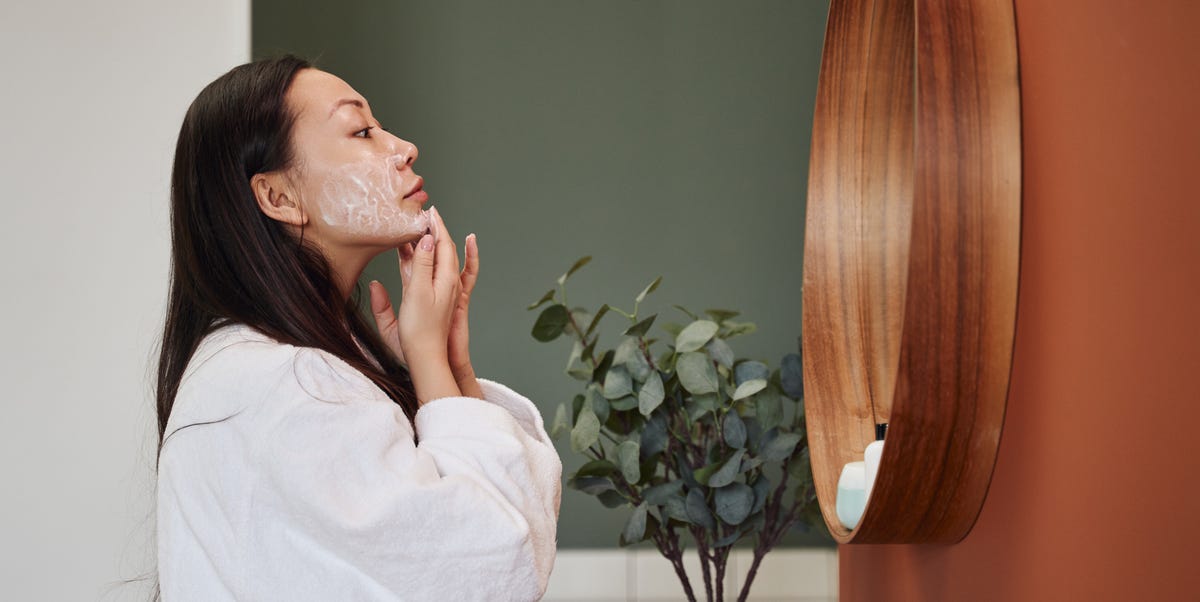
With a plethora of skincare products such as top-rated toners, anti-aging creams, and niacinamide serums flooding the market, navigating your options can feel overwhelming. Understanding the right products to incorporate into your skincare routine, tailored for both day and night, is essential for achieving a radiant and healthy complexion. By establishing a proper regimen, you can optimize your skincare efforts and enhance your skin’s appearance.
Why is the sequence of your skincare routine so critical? The order in which you apply your products plays a significant role in their effectiveness. Using products in the incorrect order may hinder their absorption and efficacy, ultimately impacting your results. You might have access to the finest formulations available, but if they are not applied correctly, you may not experience the intended benefits.
For beginners, it’s wise to adopt a straightforward skincare approach before introducing multiple products. While the excitement of exploring new skincare options is enticing, overwhelming your skin with too many products at once can lead to breakouts and complicate the process of identifying which products are truly beneficial.
Below, you will discover the most effective daytime and nighttime skincare routines recommended by dermatologists—covering everything from foundational steps to advanced techniques.
Essential Steps for a Basic Skincare Routine
There is a vast array of skincare products that you can incorporate into your regimen. While a multi-step approach can be advantageous, it is not always necessary. In fact, adopting a minimalist approach can often yield better results. For those just starting their skincare journey or looking to simplify their routine, here are the fundamental skincare steps to follow in the correct order:
1. Cleanser
2. Moisturizer
3. Sunscreen
“Keep it simple,” advises Karan Lal, D.O., M.S., F.A.A.D., a double board-certified dermatologist with Affiliated Dermatology in Scottsdale, AZ. “Your primary objectives should be to hydrate your skin, protect against UV radiation, and cleanse effectively. That’s all you truly need.”
Optimal Order for Applying Skincare Products
When your routine includes more than just the basics, determining the correct order for layering various skincare products can be challenging. Fortunately, there’s a straightforward guideline for layering lotions, serums, and masks: “Just like dressing, start with lighter products and move to heavier ones,” explains Mona Gohara, M.D., an associate clinical professor of dermatology at Yale School of Medicine and member of the Prevention Medical Review Board. Heavier products, including moisturizers and oils, serve a protective function, which is why they should be applied at the end of your skincare routine. This approach seals in the previous products, maintaining skin health and ensuring optimal absorption of active ingredients.
Comprehensive Skincare Routine Order
1. Cleanser
The very first step, both in the morning and at night, should always be to cleanse your skin. In the morning, Dr. Lal recommends using a gentle cleanser to eliminate oil that has built up overnight. Non-foaming or oil-based cleansers are excellent options for gently preparing your skin for the day ahead.
At night, the same gentle cleansing principle applies—removing any dirt or oils accumulated throughout the day is essential. If you wear makeup, consider double cleansing: first using a balm or oil to dissolve makeup, followed by a second wash to thoroughly cleanse your skin. Here’s what to consider when choosing a cleanser based on your skin type.
- Dry/sensitive skin: A creamy, non-foaming, hydrating face wash containing ingredients like hyaluronic acid and ceramides can effectively cleanse while retaining moisture. Opt for a fragrance-free, non-comedogenic face wash, as advised by Dr. Lal.
- Oily/acne-prone skin: Individuals with oily skin or acne-prone conditions should choose a cleanser that balances hydrating and nourishing ingredients, along with active components like salicylic acid or benzoyl peroxide to help control oil and breakouts, as explained by Nazanin Saedi, M.D., director of the Jefferson Laser Surgery and Cosmetic Dermatology Center.
- Combination skin: For combination skin, select a gel or cream-to-foam cleanser that effectively removes excess dirt and oil without stripping away the skin’s natural moisture, according to Marisa K. Garshick, M.D., a dermatologist in New York City.
Oily/Acne-Prone Skin
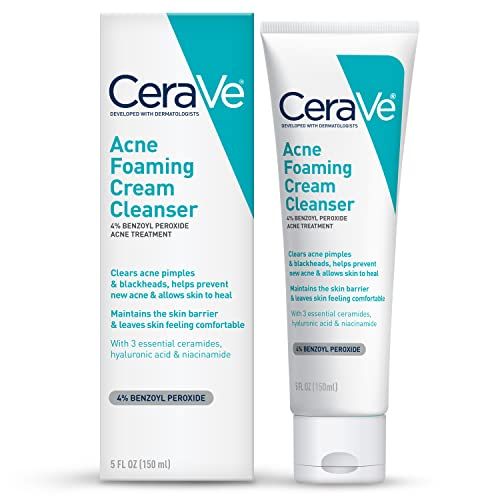
CeraVe Acne Foaming Cream Cleanser
Combination Skin
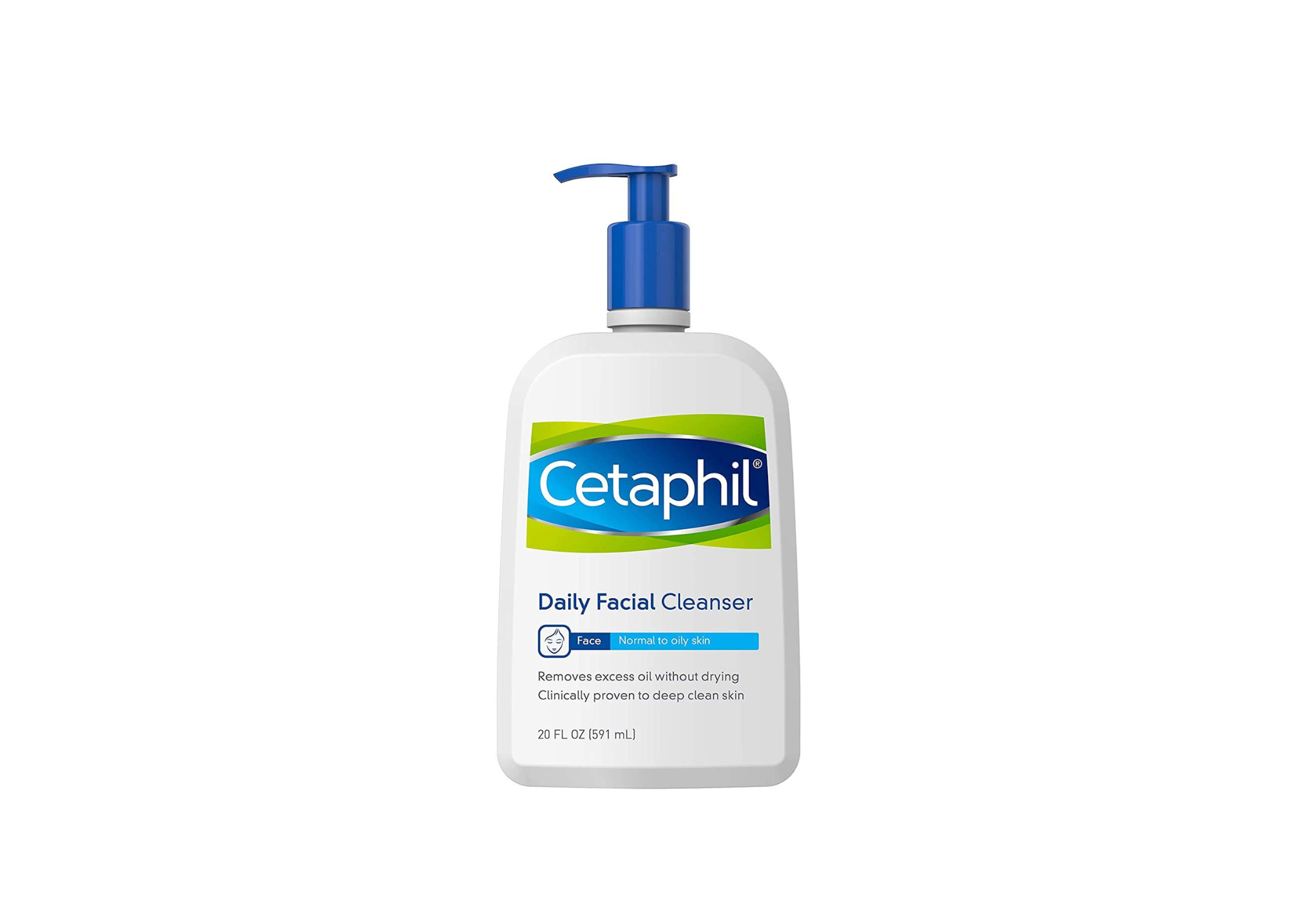
Cetaphil Daily Facial Cleanser
2. Toner
Toners might not be an essential part of your skincare regimen, but selecting the right toner can effectively address specific skin issues such as dullness or dryness, and prepare your skin for better absorption of subsequent products. Toners are generally lightweight and watery, making them ideal to apply immediately after cleansing and before any heavier products. Here’s how to choose the right toner based on your skin type.
- Dry/sensitive skin: For those with dry or sensitive skin, it’s best to avoid active ingredients in toners. Instead, opt for hydrating and soothing formulations that include hyaluronic acid and glycerin, as advised by Corey L. Hartman, M.D., founder of Skin Wellness Dermatology. While hydrating toners can deliver much-needed moisture, this step can be skipped if your skin is too sensitive to tolerate toners.
- Oily/acne-prone skin: Seek out toners containing exfoliating ingredients such as salicylic acid, glycolic acid, or lactic acid to clear pores and reduce excess oil production, suggests board-certified dermatologist Zain Husain, M.D.
- Combination skin: For combination skin, it’s advisable to select a toner that features both hydrating components and gentle actives to effectively prepare your skin for the next steps in your skincare routine, according to Dr. Husain.
Dry/Sensitive Skin
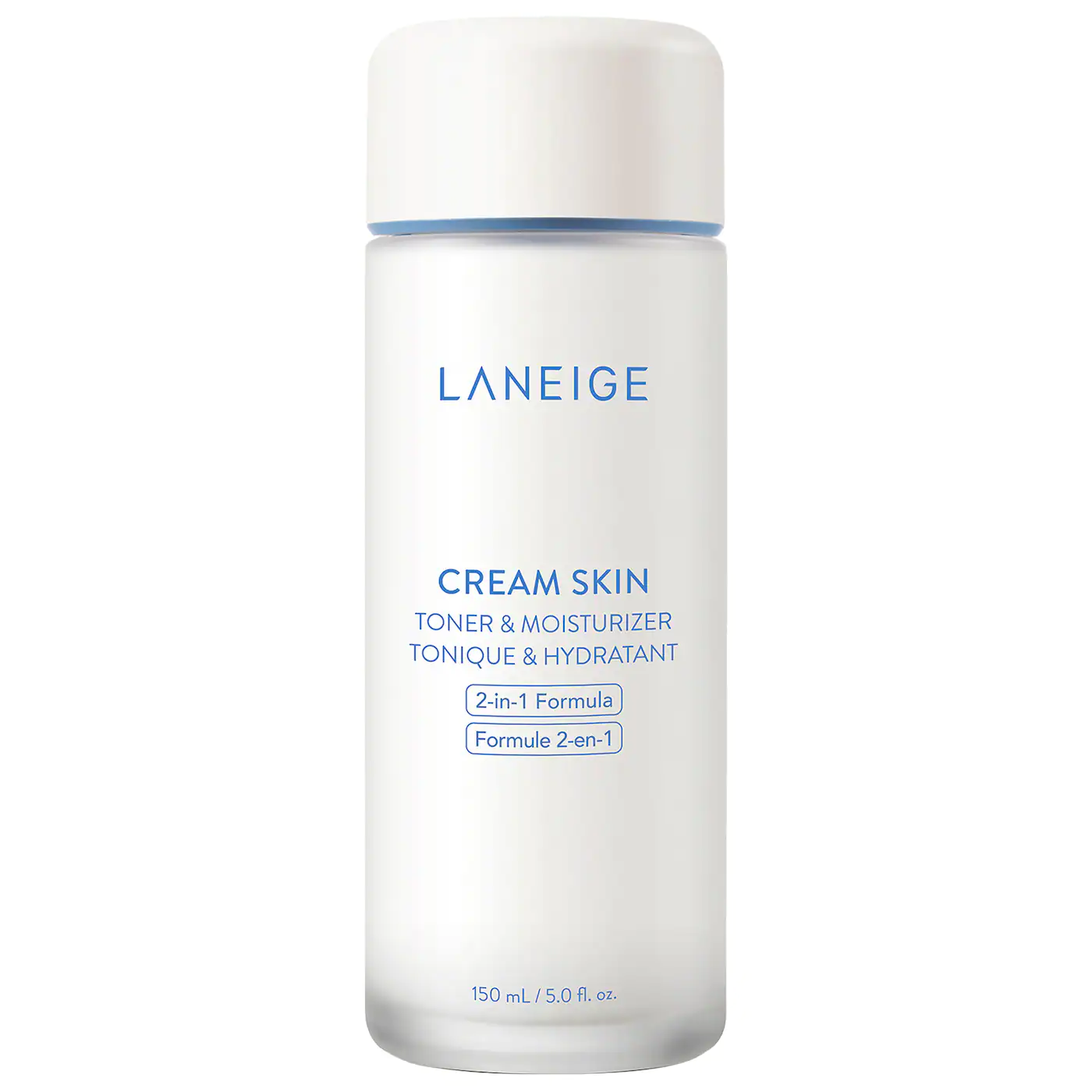
LANEIGE Cream Skin Toner & Moisturizer
Oily/Acne-Prone Skin
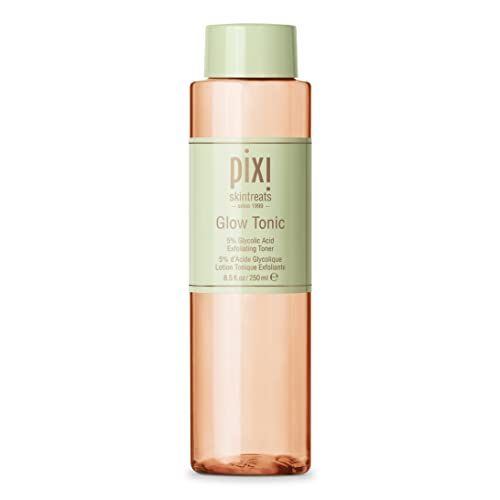
Pixi Glow Tonic
Combination Skin
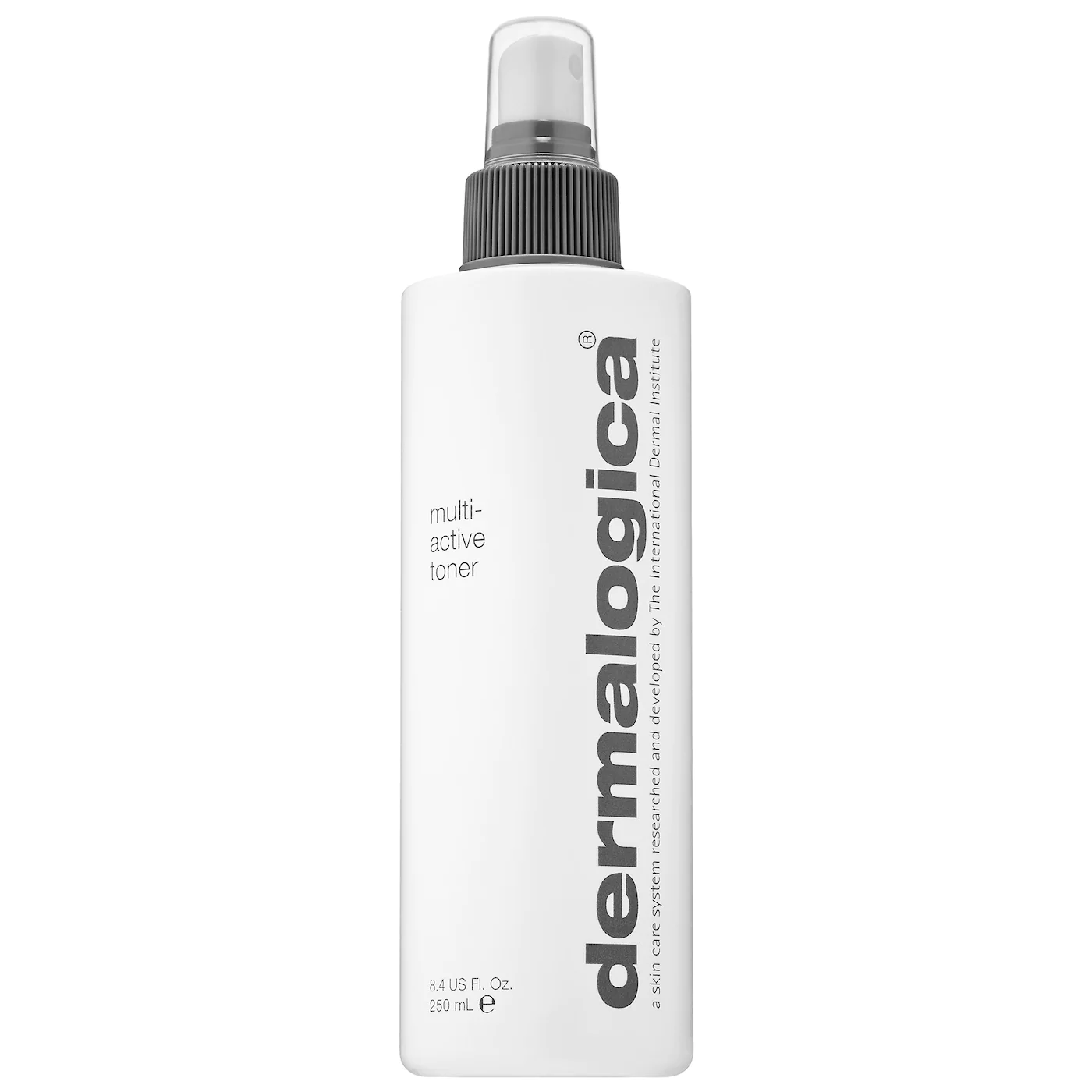
Dermalogica Multi-Active Toner
3. Treatment or Medication
If you are utilizing any treatment or prescription topical medication for specific skin concerns such as acne or rosacea, it is crucial to apply these products early in your routine to maximize absorption. Treatments like retinoids, benzoyl peroxide creams, topical antibiotics, or anti-inflammatory creams are considered essential for effective treatment, according to Dr. Lal. Ensure to follow your dermatologist’s guidance regarding the appropriate time of day for applying your medicated treatments.
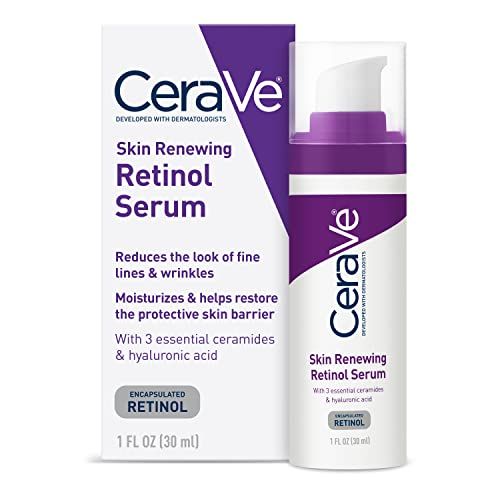
4. Retinols
Retinols, which differ from stronger prescription retinoids, should exclusively be used in your evening skincare routine due to their sensitivity to sunlight and because they can increase your skin’s sensitivity to UV rays, as explained by Dr. Lal. Similar to other treatments, retinols should be applied as early as possible within your routine to allow for maximum absorption of their benefits. Retinols are suitable for all skin types, and Dr. Lal offers guidance on selecting the best product for your specific needs.
- Dry/sensitive skin: For those with dry or sensitive skin, starting with retinol is advisable as it is less potent than prescription retinoids. Utilize it alongside a high-quality moisturizer two to three nights a week before gradually increasing usage to nightly application.
- Oily/acne-prone skin: Individuals with oily or acne-prone skin may find products containing adapalene beneficial, as it is a genuine retinoid and significantly stronger than retinol.
- Combination skin: Those with combination skin should begin with a gentle retinol product and then transition to a product containing retinaldehyde, which is more potent than retinol but less so than retinoids.
Dry/Sensitive Skin

Sienna Blake is a licensed aesthetic consultant and beauty writer specializing in cosmetic surgery advancements and non-invasive treatments. With a background in dermatology and over eight years of industry experience, Sienna is passionate about helping people achieve confidence through informed beauty decisions. She holds a Bachelor's degree in Health Sciences and regularly collaborates with top plastic surgeons to stay at the forefront of aesthetic innovations. Outside of her work, Sienna enjoys traveling, skincare research, and practicing Pilates.
Java Burn

Drink Coffee and Lose Weight
This will close in 12 seconds