


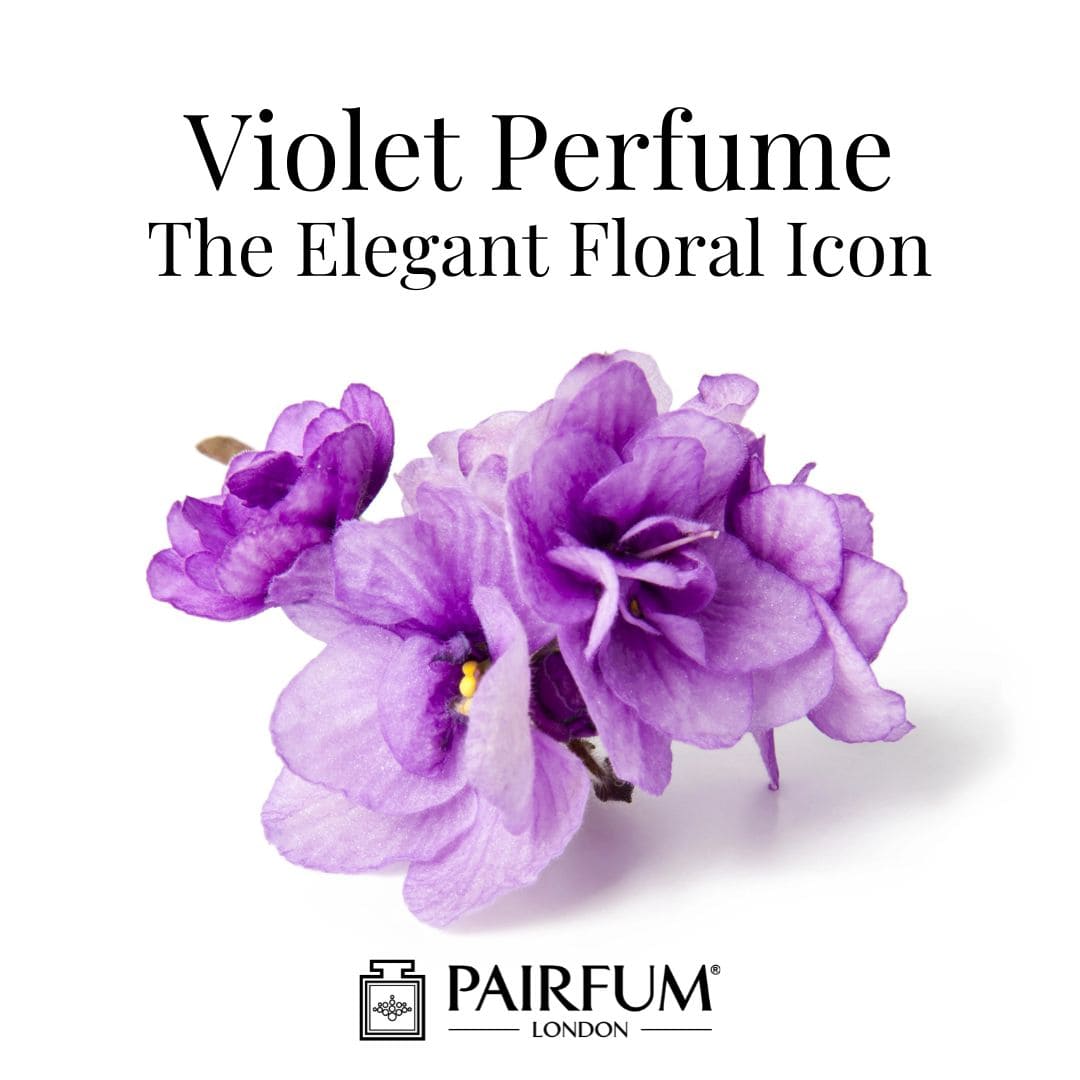
Violet perfume has captivated the world of fragrance for centuries with its enchanting powdery and floral scent. Renowned for its delicate sweetness, violets have charmed the senses since ancient times. A violet perfume provides a light, floral bouquet that resonates with many, embodying both timeless elegance and modern allure. This comprehensive guide explores the rich history, diverse types, and various uses of violets in perfumery, along with the intricate techniques involved in capturing their unique fragrance.
Exploring the Rich History of Violet in Perfumery
The admiration for violet in perfumery traces back to ancient civilizations. The Greeks and Romans held violets in high regard, not only for their exquisite scent but also for their purported health benefits. They would crush the leaves and flowers to create fragrant oils and balms, believing that the violet fragrance could alleviate headaches and dizziness. These lovely flowers symbolized love and fertility, frequently used in bridal bouquets and decorative garlands.
During the 18th and 19th centuries, violet perfume gained immense popularity among the European elite. Empress Joséphine, the wife of Napoleon Bonaparte, was particularly fond of violets, often adorning herself with violet fragrances. This passion ignited a trend across Europe, leading to the creation of iconic violet perfumes that are still cherished today. The dawn of the 20th century brought advancements in synthetic fragrance oils, enabling perfumers to craft stable and consistent violet perfumes. This innovation helped overcome the challenges associated with extracting the delicate violet scent, establishing its significance in both niche and luxury perfumes.
Discovering the Varieties of Violet and Their Unique Aromatic Profiles
Each variety of violet contributes its unique characteristics to the fragrant world of perfumery. Parma violets, renowned for their sweet and powdery aroma, serve as a delightful base for classic floral perfumes. The essence of parma violet fragrance oil perfectly encapsulates this nostalgic scent, making it a popular choice in vintage-inspired fragrances.
Sweet violets (Viola odorata) deliver a soft, straightforward floral scent, often utilized in perfumes aiming to capture the pure essence of the violet. This results in a versatile fragrance that exudes charm and sophistication.
Violet leaf adds another layer to violet perfumes, offering a green, earthy, and slightly woody aroma that contrasts with the sweetness of the flowers. This leaf scent evokes the freshness of cut grass or dewy foliage, making it ideal for those who appreciate a more grounded fragrance profile in their perfumes.
Exploring the Versatile Uses of Violet in Fragrance and Beyond
Violet is a powerful ingredient in the world of perfumery, frequently serving as a middle note that connects the top and base notes of a fragrance. Its presence enriches the overall scent profile, enhancing the harmony within the composition. Many luxury perfumes showcase violet as a pivotal note, elevating their sophistication and allure.
Beyond traditional perfumes, the soft aroma of violet is highly sought after in various products such as candles, bath bombs, wax melts, and reed diffusers. The sweet and powdery scent of parma violet is especially popular in bath bombs and wax melts, transforming ordinary baths or rooms into fragrant retreats. In the realm of cosmetics and skincare, violet fragrance oils are incorporated into creams, lotions, and soaps, providing a soothing and comforting scent experience.
This floral icon’s versatility extends to an array of perfumed products, with its scent featured in everything from gift sets to home fragrances. The enchanting aroma of violet can infuse any space with warmth, femininity, and relaxation, creating an inviting atmosphere.

Celebrated Violet Perfumes That Define Elegance
Numerous fragrances have embraced the enchanting violet scent as a central feature. Bois de Violette is a notable example that beautifully captures the essence of violet paired with woody notes, resulting in an alluring and sophisticated blend. Another classic fragrance featuring violet is Yves Saint Laurent’s “Paris”, which combines violet with rose, lily, and freesia to create an elegant floral bouquet.
The inclusion of violet in perfumes signifies both nature and femininity, evoking feelings of confidence and elegance. In many high-end eau de toilette formulations, violet harmonizes effortlessly with other notes like amber, vanilla, and even leather, crafting a multifaceted scent profile that appeals to a diverse audience.
Mastering the Techniques of Extracting Violet Fragrance
Extracting the delicate fragrance of violet poses a unique challenge due to the flower’s fragile nature. Solvent extraction stands out as the most common method, employing solvents to extract the aromatic compounds from violet flowers and leaves, yielding a concentrated fragrance oil known as an absolute.
Enfleurage, though less prevalent today, involves placing fresh violet flowers on trays filled with animal fat or vegetable oils, allowing them to absorb the flower’s scent over time. This traditional method, while labor-intensive, uniquely captures the flower’s essence.
Steam distillation is another technique primarily utilized for extracting aroma from violet leaves rather than the flowers themselves. This process involves breaking down the plant material and releasing its aromatic compounds into the steam, which is then condensed to recover the essential oils.

Understanding Violet’s Impact and Influence in the Fragrance Industry
The influence of violet transcends the realm of perfumes. Violet fragrance oils are utilized in crafting candles, incense, and room sprays, all designed to create a calming atmosphere. The soothing effects of violet are not confined to its use in products; many believe that its aroma fosters relaxation and overall well-being.
Additionally, violet perfumes are commonly paired with complementary products. For instance, violet soap provides a luxurious bathing experience, while reed diffusers and scented candles featuring violet notes enhance the ambiance of any space, making it inviting and elegant.
Tips for Selecting the Ideal Violet Perfume for Your Scent Profile
When searching for the perfect violet perfume, it is crucial to consider the specific type of violet scent that appeals to you. Are you drawn to the powdery sweetness of parma violets, the soft floral allure of sweet violets, or the fresh, green notes of violet leaf? Numerous brands offer premium violet fragrances, ranging from those inspired by nostalgic parma violet candies to bold, modern compositions.
For those eager to explore further, we provide additional details and customer reviews to assist you in making your choice.
