


Caring for your skin is a delicate balance of art and science, and it’s normal to feel overwhelmed at times. When your skin isn’t thriving, it can often be traced back to lifestyle choices or possibly a product in your beauty arsenal that isn’t performing as expected. For those who have experimented with various skincare options without success, this guide will help you uncover the reasons behind your moisturizer’s ineffectiveness and how to find the right solutions.
Understanding Why Your Skin Remains Dry Despite Moisturizing
Determining what your skin craves can be a complex journey. Achieving a state of happy, radiant skin often requires some experimentation with different products to discover what works best for you. One of the cornerstone products in any skincare routine is a good moisturizer. Therefore, when searching for the best moisturizer for your skin type, it’s essential to take into account a few critical factors to ensure you make the right choice.
The first step in selecting an effective moisturizer is identifying your unique skin type. While many of us have a general understanding of our skin characteristics, it’s helpful to evaluate how our skin appears and feels on days when we’re not applying any products. Pay attention on those makeup-free days: do you notice certain areas of your face producing more oil than others?
The primary skin types include dry, combination, oily, normal or neutral, and sensitive, with sensitivity often being an additional concern for those with dry skin, though it can occur across all skin types. Oily and combination skin types typically exhibit oiliness on the surface even shortly after cleansing, whereas those with dry skin may experience tightness, discomfort, and noticeable flakiness.
Interestingly, both dry and oily skin types can share a common issue: insufficient hydration. While they may manifest differently, the feeling of dryness or excessive oiliness can indicate that the skin is not receiving the hydration it requires. This is why your skin may still feel dry even after applying moisturizer. Fortunately, this concern can be addressed with some straightforward adjustments. Let’s explore further signs that your skincare routine may need refining and what to consider when selecting effective moisturizers.
Recognizing the 5 Key Indicators Your Moisturizer is Failing You
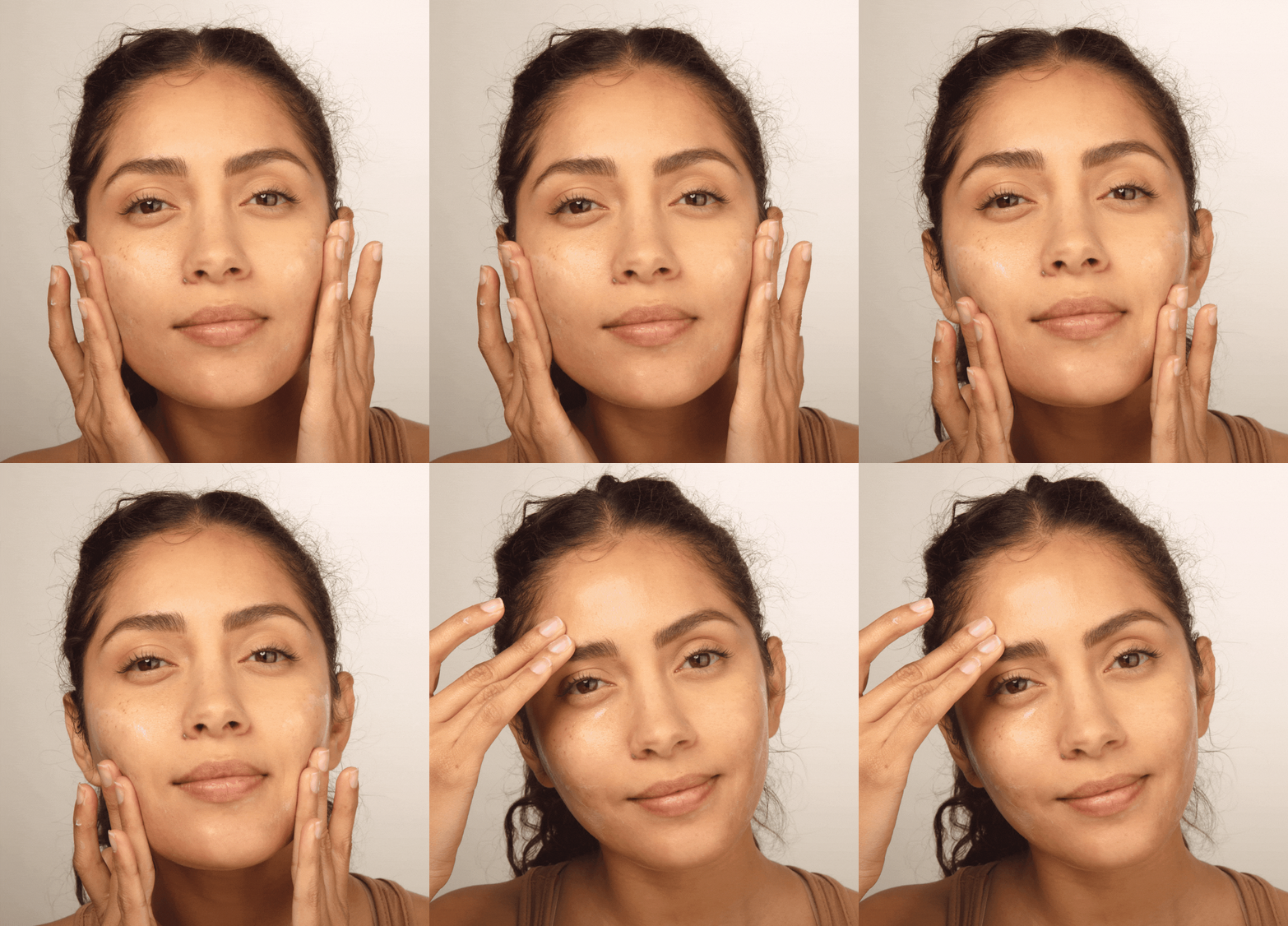
We fully acknowledge that our skin can exhibit dramatic responses, especially when we introduce new products into our regimen. To identify whether your current moisturizer is truly benefitting your skin, remember the acronym: DROID.
Dull: Does your skin appear lackluster or shadowy? Healthy skin should radiate brightness and vitality. While a dull complexion might suggest it’s time to incorporate regular exfoliation, it can also be a clear sign that your moisturizer isn’t adequately penetrating or hydrating your skin.
Reactive: Are you experiencing any adverse reactions after applying your moisturizer? Given the variety of products we often layer in our routines, it’s crucial to introduce new items one at a time to monitor for any negative responses. Signs of poor skin reactions include rash, redness, or milia. Other concerning indicators include itchy patches, swelling, or unexpected breakouts not linked to hormonal changes. If you notice any of these issues, it’s wise to stop using the product immediately.
Oily: As previously mentioned, maintaining balance is key for skin health. A sudden increase in oiliness may suggest shifts in your diet, hormone levels, or skincare habits that your skin is struggling to adapt to.
Incompatibility with Makeup: When layering makeup over your moisturizer, do you notice it separating, pilling, or causing your makeup to flake? Choosing a moisturizer that works seamlessly with your makeup is crucial, as a good moisturizer should provide a smooth, even canvas for application. Any strange reactions during makeup application may indicate that your moisturizer isn’t compatible with your beauty products.
Dry: Is your skin feeling tight, dry, or flaky? Any of these symptoms signal that your skin is not receiving the moisture it needs. If your skin appears or feels dry, it likely means there are insufficient hydrating ingredients in your current moisturizer. We will outline the key ingredients to seek out that can help your skin feel soft, supple, and fully hydrated.
Stay Updated: Subscribe to Our Newsletter
for more blog posts and exclusive discounts
Essential Ingredients to Seek in Your Moisturizer
Given that our bodies are primarily composed of water, it follows that our skin, being largely water-based, requires a moisturizer that aligns with its hydrating needs. Look for facial moisturizers that include ingredients designed to absorb water, lock in existing moisture, and attract additional hydration. Here are some essential ingredients you should prioritize when searching for the ultimate moisturizer.
Humectants: Humectants have been a topic of discussion in our previous blogs. In simple terms, they help maintain skin hydration by pulling additional moisture into the skin. Key humectants to look for in an effective moisturizer include hyaluronic acid, glycerin, and urea, which is known for its soothing properties.
Occlusives: As the skincare landscape evolves, awareness of the importance of the moisture barrier continues to grow. This barrier plays a critical role in protecting the skin from environmental stressors, preventing moisture loss, and ensuring skin health. Ingredients like ceramides, butters, and wax-based compounds serve as occlusives, effectively supporting the moisture barrier in a moisturizer.
Emollients: Emollients are akin to the creamy filling in a sandwich cookie, uniting all components for optimal performance. They help stabilize the wet and waxy ingredients within a moisturizer, contributing to a silky texture and enhancing absorbability. Look for beneficial emollient ingredients like squalane and various nut oils.
Curated Moisturizer Recommendations Just for You
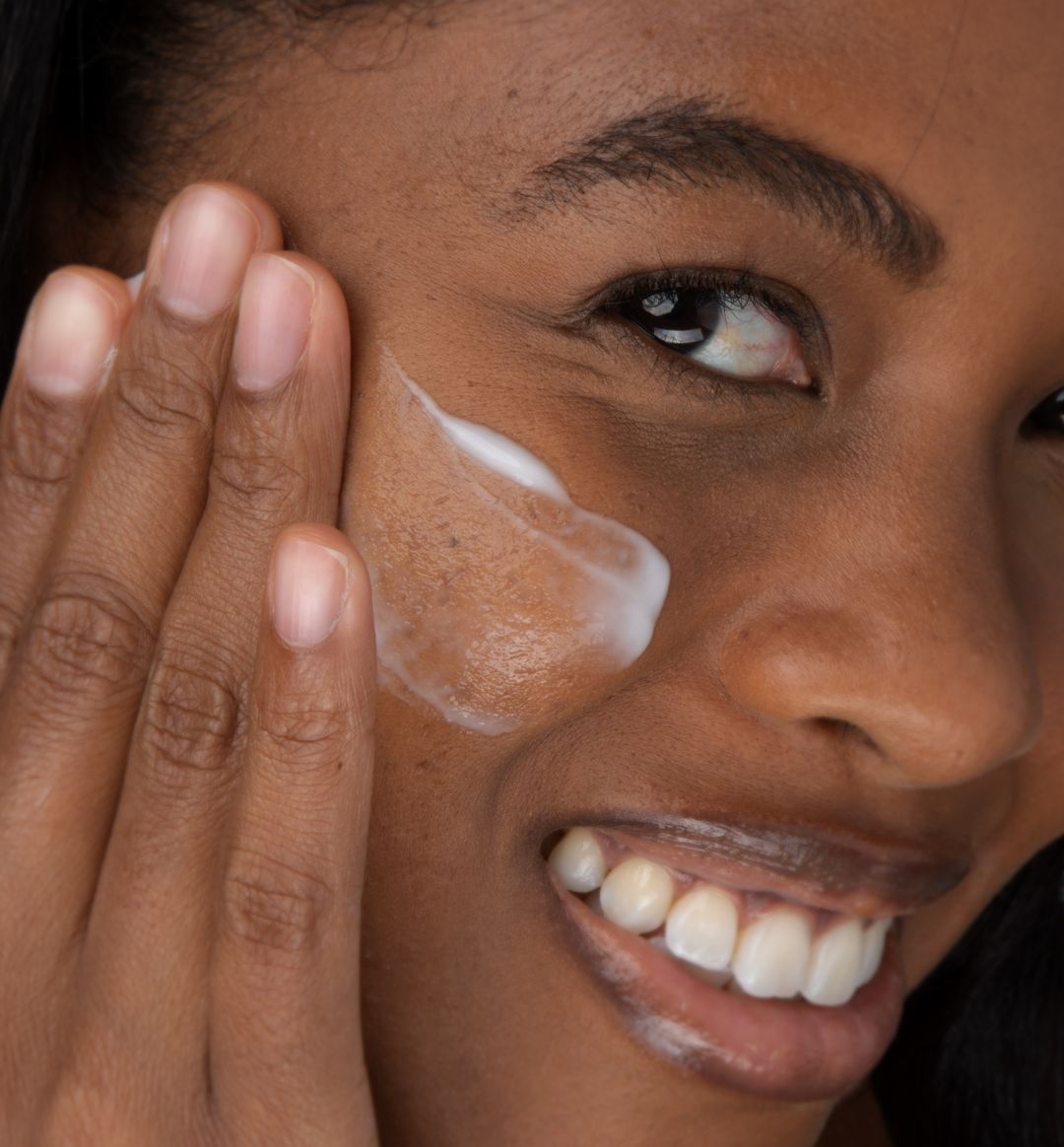
We are excited to share some exceptional skincare recommendations to help you discover the perfect facial moisturizer. Here are our top moisturizer picks:
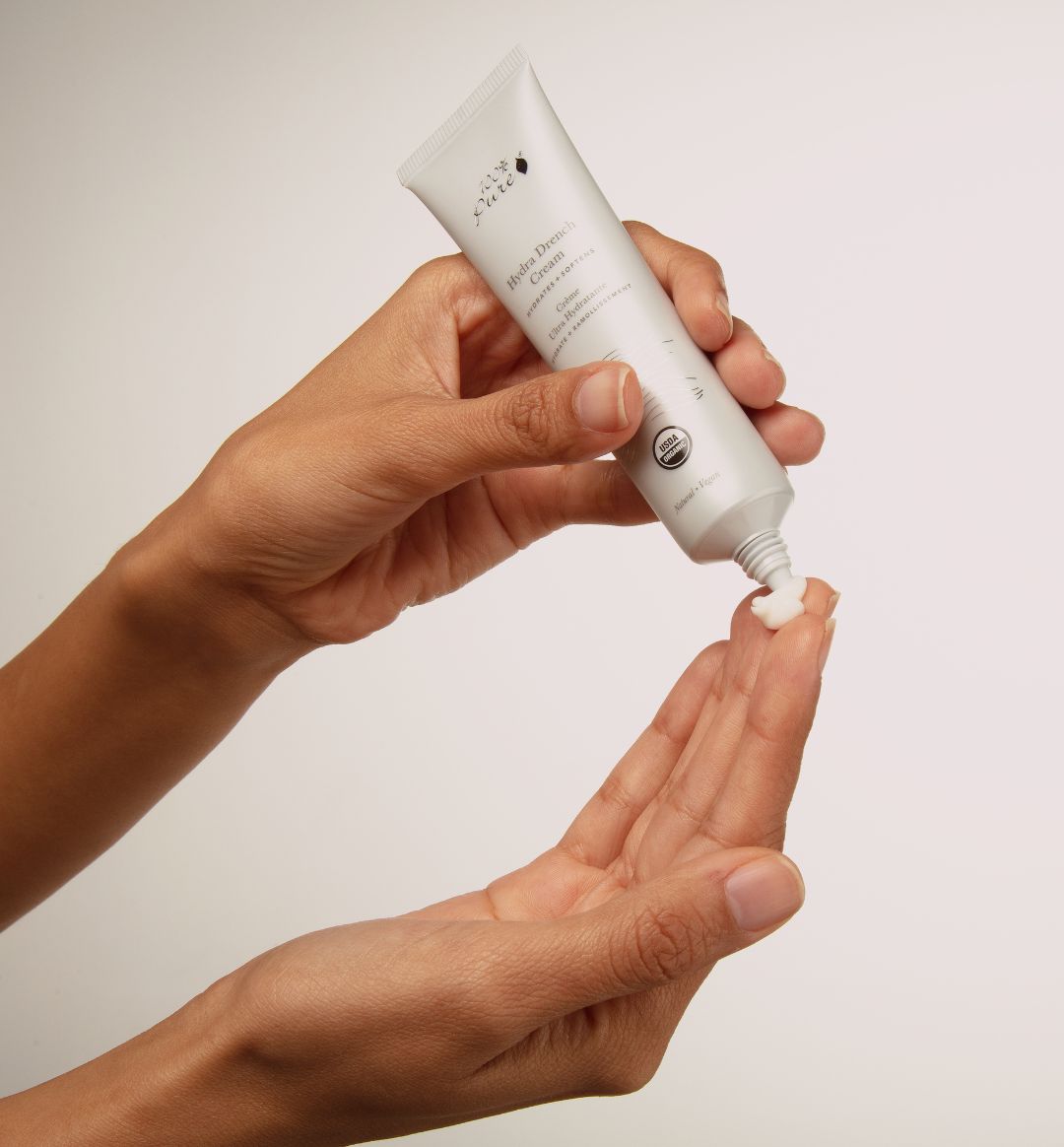
Hydra Drench Cream: Infused with Chia Seed Gel
Our Hydra Drench formula features chia seed gel, known for its remarkable hydrating properties similar to hyaluronic acid. Chia seeds can absorb up to 12 times their weight in water, making them a powerhouse for rejuvenating, deeply hydrating, and plumping the skin while ensuring moisture retention throughout the day or night.
Green Tea EGCG Concentrate Cream: Contains Olive Squalane
As noted earlier, squalane is a favorite emollient of ours. In our Green Tea EGCG cream, squalane plays a vital role as one of the most active ingredients. It works to strengthen the moisture barrier while preventing dryness and improving skin texture, resulting in smooth and radiant skin.
Your Most Common Moisturizer Questions Answered
Why isn’t my moisturizer absorbing into my skin?
If you find that your moisturizer isn’t absorbing, several factors may be at play. You might be applying too much product, your skin may not have been exfoliated properly, or the formula could be too heavy for your specific skin type. Regular exfoliation, using the appropriate amount of moisturizer, and selecting a formula tailored to your skin type are key to improving absorption.
Why does my moisturizer leave my skin feeling oily?
If your moisturizer is making your skin feel excessively greasy, it may be overly rich for your skin type. Individuals with oily or combination skin should opt for lighter, oil-free, or non-comedogenic moisturizers that hydrate without contributing to excess oiliness.
Can a moisturizer lead to breakouts?
Absolutely, if a moisturizer isn’t suited for your skin type, it may clog pores and trigger breakouts. This is particularly relevant for those with acne-prone or sensitive skin. It’s essential to choose non-comedogenic products that won’t obstruct pores and to patch test new items to gauge your skin’s reaction.
Why does my skin feel tight or dry even after moisturizing?
If your skin continues to feel tight or parched post-moisturization, it may indicate that the product lacks sufficient hydration or that your skin requires more than just a moisturizer, such as exfoliation or a hydrating serum. Additionally, environmental factors like weather, dietary influences, or inadequate water intake could contribute to this sensation.
How long does it take for a moisturizer to show results?
The immediate benefits of a moisturizer, such as increased softness and hydration, are typically felt right after application. However, for long-term improvements in skin texture and a reduction in fine lines, consistent use for several weeks is usually necessary.
What causes my moisturizer to pill or roll off my skin?
Pilling can occur if you apply too much product, don’t allow previous skincare steps enough time to absorb, or if the product formula doesn’t blend well with other items in your routine. To avoid this, apply skincare layers thinly and grant each step sufficient time to absorb before proceeding to the next.