


Raise your hand if this sounds like you: when you close your eyes, you envision silky, thick tresses that flow and flip over your shoulder in slow-motion like you’re in a hair commercial…and when you open your eyes, you find yourself Googling “how to get thicker hair” to turn those dreams into reality. 🙋♀️
Those glossy commercials don’t reflect the reality for most individuals — even some of the models seen in them. Behind the scenes are jumbo fans, renowned hairstylists, and often extensions to give the illusion of fuller hair. Additionally, hair types vary significantly, ranging from straight and fine to light, wavy, dense, and curly. There isn’t a single ideal hair type because we all possess unique characteristics, and that diversity should be celebrated. Your thin hair is just as beautiful as your friend’s thick, wavy locks and vice versa.
While you may not be able to instantly double the thickness of your hair overnight (unless you resort to hair extensions), there are effective methods to visually enhance your hair’s thickness, style your locks for maximum volume, and promote healthy growth through proper scalp care. We consulted two board-certified dermatologists, Dr. Dendy Engelman from Shafer Clinic Fifth Avenue and Dr. Michelle Henry, founder of Skin & Aesthetic Surgery of Manhattan, to uncover scientifically supported strategies to improve hair health and debunk some prevalent myths about hair thickness.
More From Seventeen
Understanding the Factors That Influence Hair Thickness
First, let’s explore hair thickness by categorizing it into two distinct components: hair density and strand thickness.
Hair density refers to the overall thickness of your hair. Some individuals naturally have thick hair, which means they have more strands of hair per square inch, while others have thin hair with fewer strands. However, the thickness of each individual strand plays a crucial role in how thick your hair appears overall. Dr. Engelman notes that the thickness of a single strand of hair can vary from 0.04mm to 0.15mm.
“You may notice differences in the thickness of individual strands just by rolling them between your fingers,” Dr. Engelman explains. “While strand thickness is typically less apparent, it significantly contributes to the overall appearance of your hair.” You may naturally have fewer strands per square inch, yet if each strand measures 0.15mm in diameter, your hair can look just as thick as someone with more strands but thinner individual hair.
So what determines your hair density and strand thickness? According to Dr. Henry, “Genetics and gene expression play a crucial role in defining hair structure and overall density.” Beyond inheriting traits from your parents, which directly influence the texture and thickness of your hair follicles, Dr. Engelman adds that other elements such as hormones, age, health conditions, nutrition, and stress levels also affect hair thickness. Although your hair characteristics are primarily determined by your biological parents, external factors like your environment and overall physical health can also have a significant impact on your hair.
Effective Strategies to Achieve Thicker Hair
Yes, and no. Dr. Engelman explains, “While you can’t alter the size of your hair follicles, there are numerous things you can do to maintain hair health, add volume and fullness, and prevent thinning.” For instance, although diet alone may not transform your hair overnight, it plays a vital role in hair health since the nutrients you consume influence your hair growth cycle. Dr. Engelman suggests incorporating plenty of vitamin-packed foods into your diet, such as vitamin B12, biotin, iron, and healthy omega fatty acids. If you’re wondering where to find these essential nutrients, focus on foods like berries, avocados, fatty fish, eggs, and leafy greens such as spinach and kale.
Another effective approach to maintain hair health is to limit heat exposure. Dr. Engelman indicates that hot styling tools like blow dryers and flat irons can strip moisture from the hair, leading to dryness and potentially causing dandruff on the scalp, where the hair growth cycle occurs. Consider reducing your use of heat styling tools this week by allowing your hair to air-dry or trying heatless curling techniques, such as old-fashioned rollers or a soft curling headband.

CORATED Heatless Curling Rod Headband
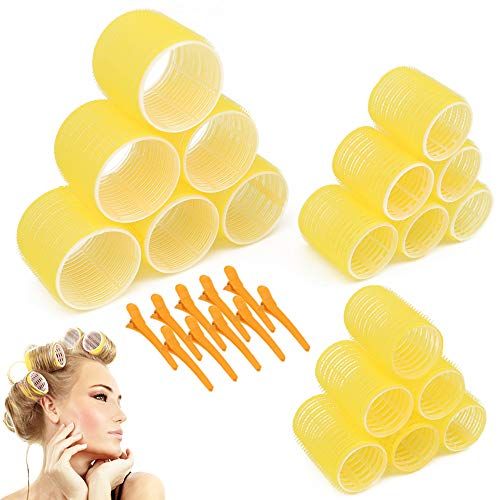
AFANSO Jumbo Size Hair Roller Set
If you’ve experienced hair loss, achieving a fuller appearance is also possible. Dr. Henry highlights that current research supports several factors that can influence and restore hair thickness, with one of the most notable being red light therapy. This treatment can reduce oxidative stress while enhancing circulation in the scalp.
“[Red light therapy] inhibits and delays the transition of hair from the anagen, or growth phase, to the catagen and telogen phases, which is when hair growth halts,” she explains. If you’re interested in boosting blood flow to your scalp, consider incorporating manual scalp massages and dermarollers, which create tiny, painless pricks in the scalp to enhance circulation and promote collagen production.
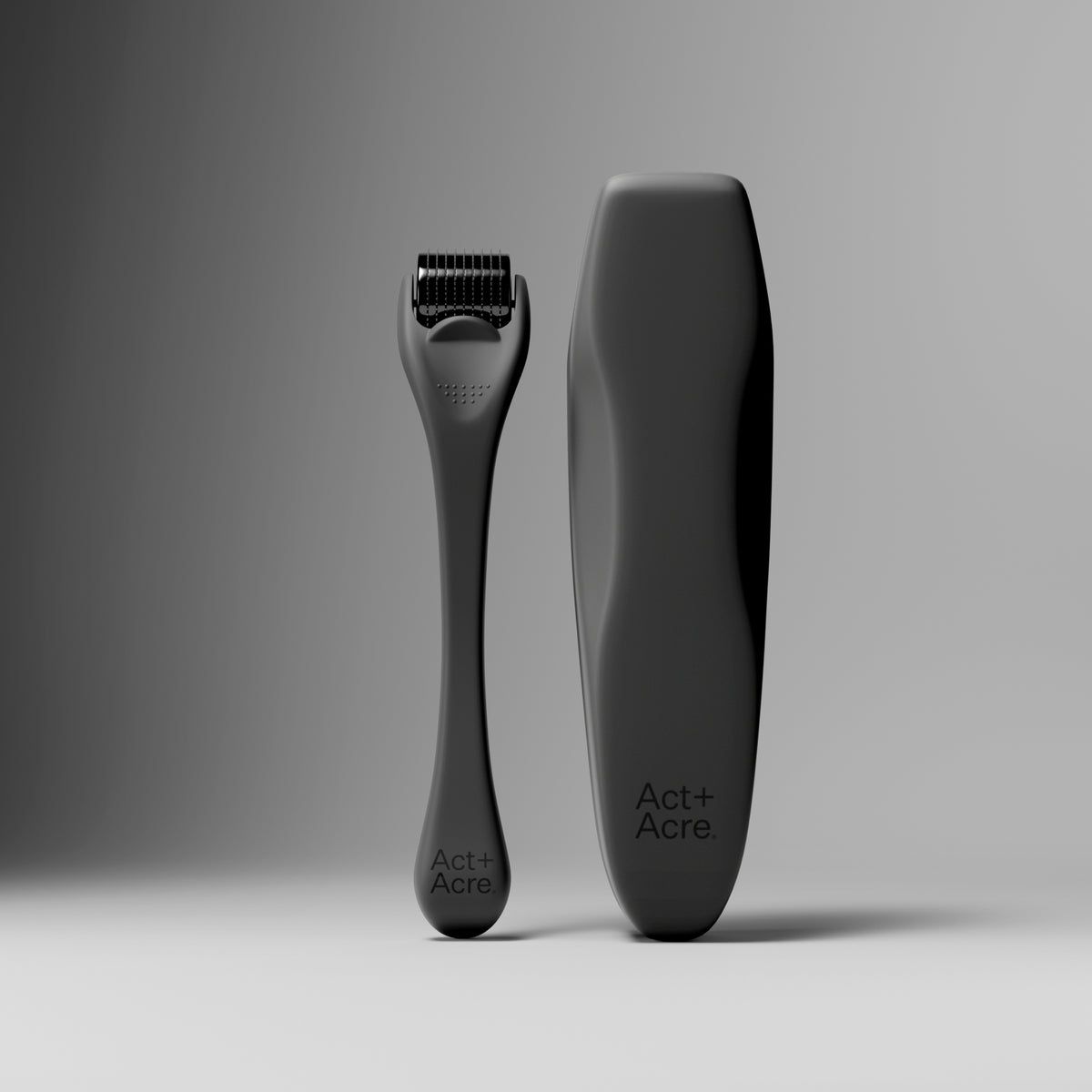
Act + Acre Scalp Dermaroller
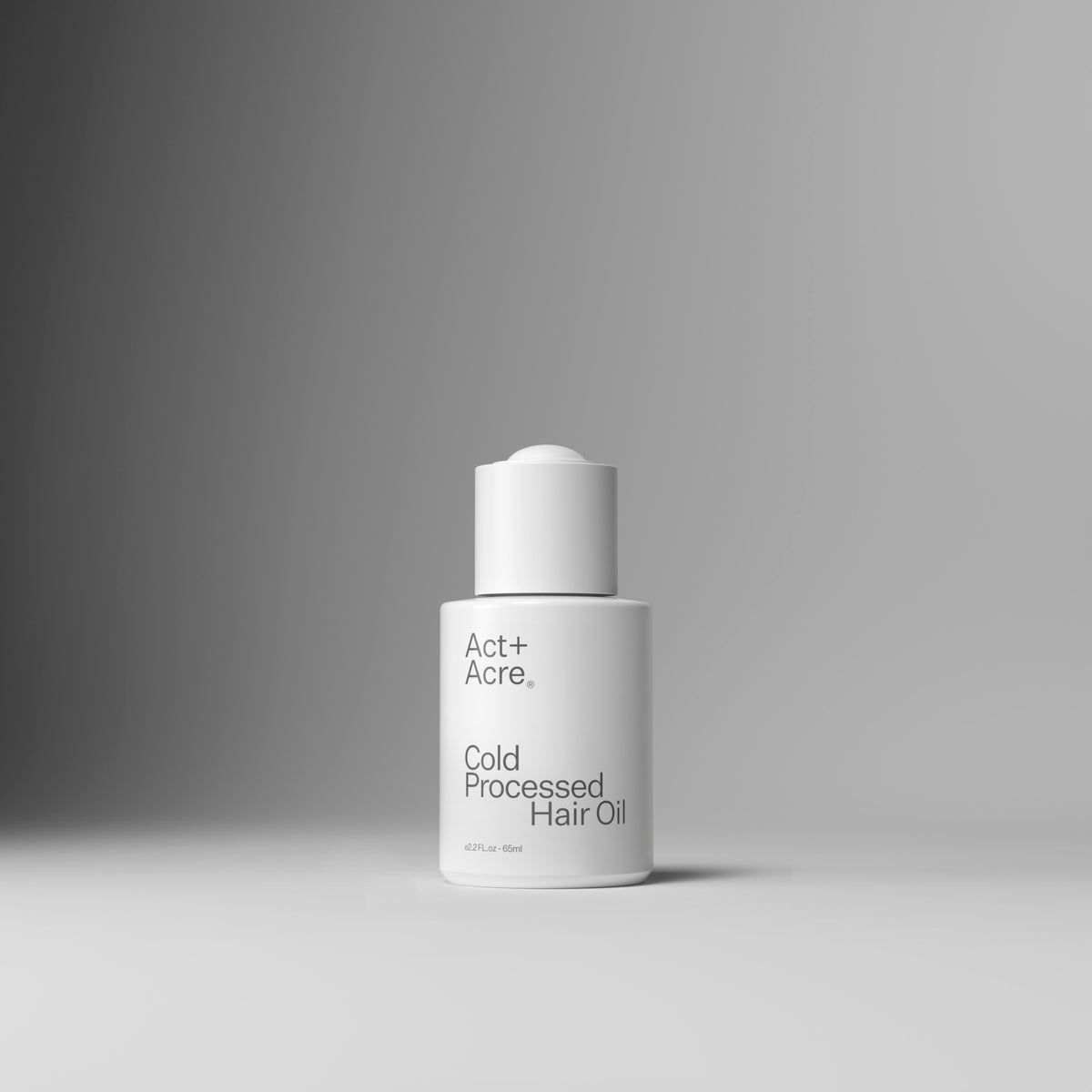
Act + Acre Cold Processed Hair Oil
Oral supplements are currently being studied as potential treatments for hair thickness, but it’s essential to consult with your doctor before starting any hair supplement, as many are not FDA regulated and could interact with medications you are already taking.
The Connection Between Scalp Health and Hair Thickness
Yes! It turns out that scalp health significantly influences hair thickness in multiple ways. Dr. Henry states, “The scalp houses hair follicles, promotes cell turnover, and ensures normal growth, making it critical to maintain a healthy microenvironment on the scalp.”
According to Dr. Henry, poor scalp health may manifest as dry patches, scaling, unpleasant odors, a sudden increase in dandruff, or cuts on the scalp, which can lead to inflammation that damages your hair bulbs and follicles. Conversely, a healthy scalp free from visible dryness and with balanced sebum levels (natural oils) will minimize breakage, promote growth, and enhance hair shine.
To protect the skin on your scalp, opt for sulfate- and alcohol-free shampoos, conditioners, heat protectants, and other styling products to avoid stripping your skin of its natural oils. Just as you should avoid drying products with high alcohol content on your face, it’s wise to refrain from applying such ingredients on your scalp — which is essentially an extension of your face. Instead, seek leave-in conditioners or scalp treatments that provide moisture, particularly those enriched with hydrating oils and hyaluronic acid.
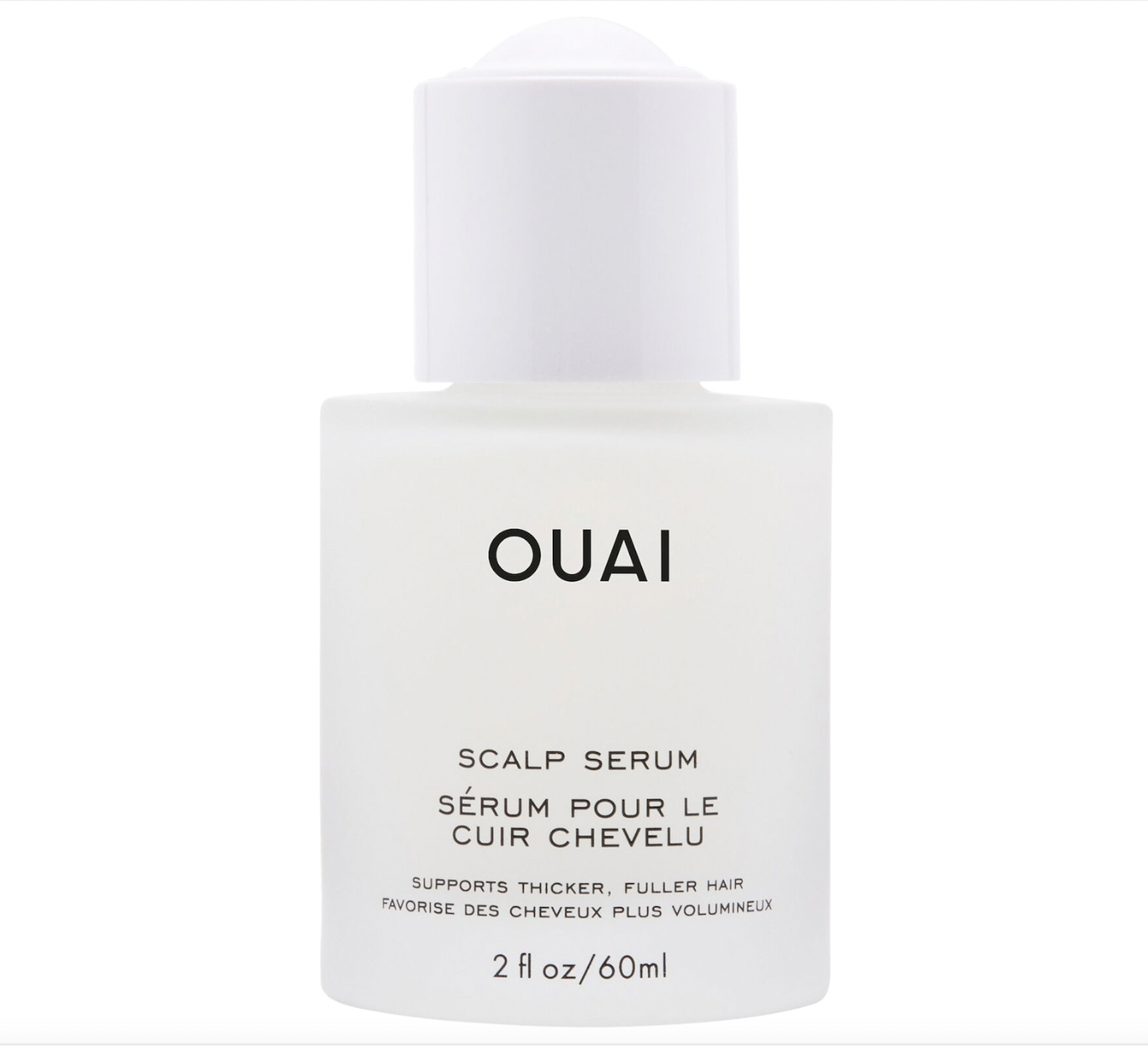
OUAI Hydrating Scalp Serum
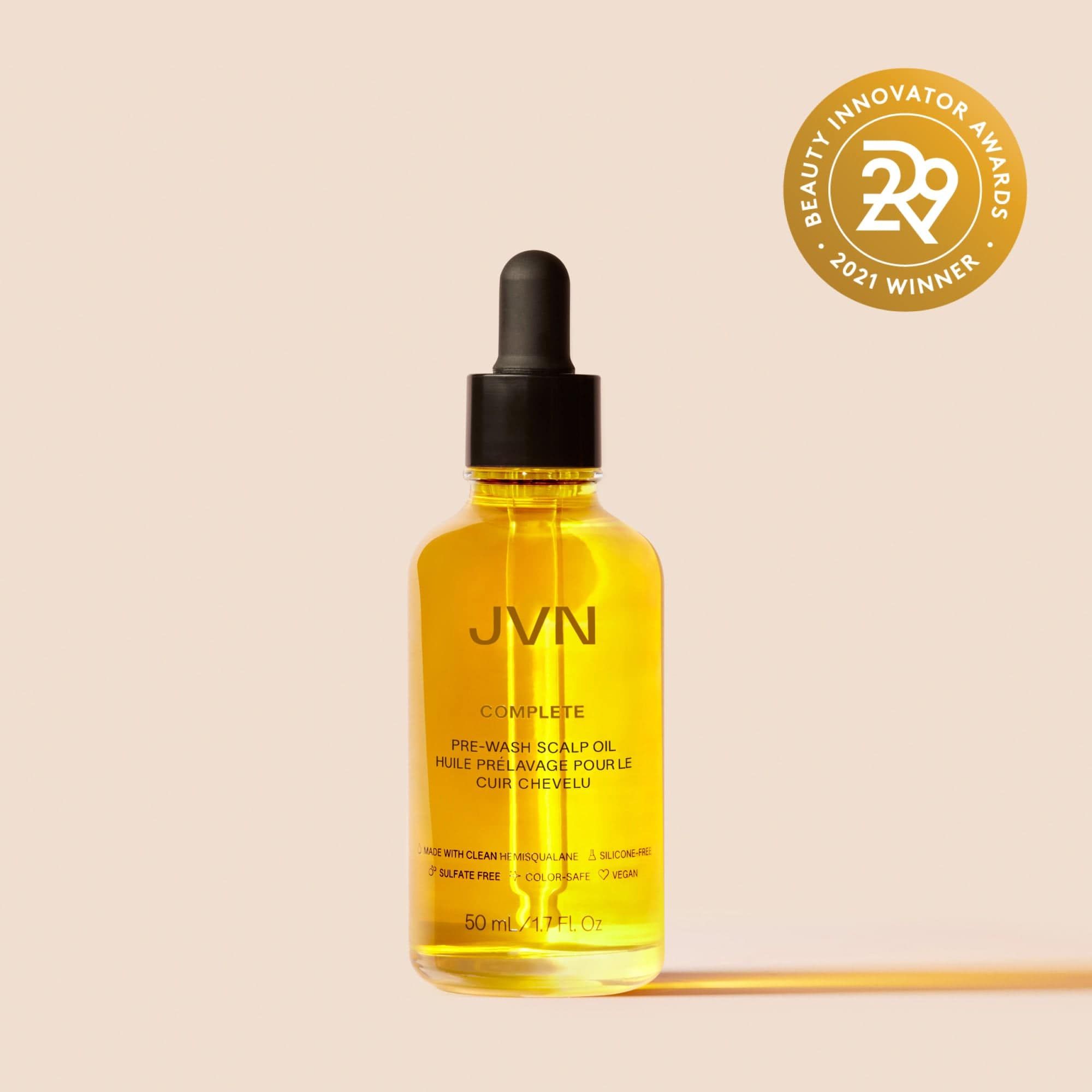
JVN Hair Pre-Wash Scalp Oil
Debunking Common Myths About Achieving Thicker Hair
We hate to break it to you, but your monthly trim won’t accelerate hair growth. “While trimming split ends prevents further damage to the strands, cutting hair does not increase its growth rate or thickness,” states Dr. Engelman. “Although maintaining split ends is beneficial, it does not impact the speed of hair growth or make it thicker.”
Another widespread misconception is that biotin, a type of B vitamin, is the ultimate supplement for hair growth. “Due to limited clinical trials, we still have not observed a significant influence of biotin on individuals without a deficiency,” Dr. Henry remarks. While a deficiency in biotin might lead to correctable thinning, there is insufficient scientific evidence to support biotin as a comprehensive solution for thicker hair, as some brands claim.
Practical Solutions to Prevent Hair Loss
Hair loss is a reality for people of all ages and genders, primarily influenced by genetics — including factors like age, hereditary traits, poor diet, stress levels, hormonal imbalances, and detrimental hair care practices. “As we age, hair growth tends to slow, and strands may lose pigmentation,” Dr. Engelman explains. “Excessive heat styling or tight hairstyles can also contribute to hair loss, along with vitamin deficiencies.” Research indicates that taking vitamin D supplements may aid in combating hair loss by enhancing calcium absorption and addressing potential deficiencies that your doctor can identify through blood tests.
If you are currently facing hair loss, Dr. Henry recommends evaluating your lifestyle and identifying any stress triggers that may have contributed to changes in your hair. “If hair loss persists for more than 2-3 months, consult your doctor or primary care physician to explore any underlying pathological causes,” she advises. Your hair loss might be a response to a recent illness or a traumatic physical event, such as an injury. It’s important to seek professional guidance to uncover the root cause of your hair shedding.
<h2

Sienna Blake is a licensed aesthetic consultant and beauty writer specializing in cosmetic surgery advancements and non-invasive treatments. With a background in dermatology and over eight years of industry experience, Sienna is passionate about helping people achieve confidence through informed beauty decisions. She holds a Bachelor's degree in Health Sciences and regularly collaborates with top plastic surgeons to stay at the forefront of aesthetic innovations. Outside of her work, Sienna enjoys traveling, skincare research, and practicing Pilates.
