


Washing your face may appear simple, but it’s crucial to remember that your skin is a delicate, living organ requiring gentle care and attention. It is essential to utilize pure, skin-nourishing ingredients that can deliver enduring benefits. The health of your skin is not just about what you use, but also how you incorporate these products into your daily routine to achieve optimal results.
However, selecting natural products is just the initial step in cultivating a comprehensive and effective skincare routine. In this comprehensive guide, we will cover the essential do’s and don’ts of face cleansing, as well as provide expert insights on how to wash your face effectively – as recommended by dermatologists!
Discover the Most Effective Tools for Optimal Facial Cleansing
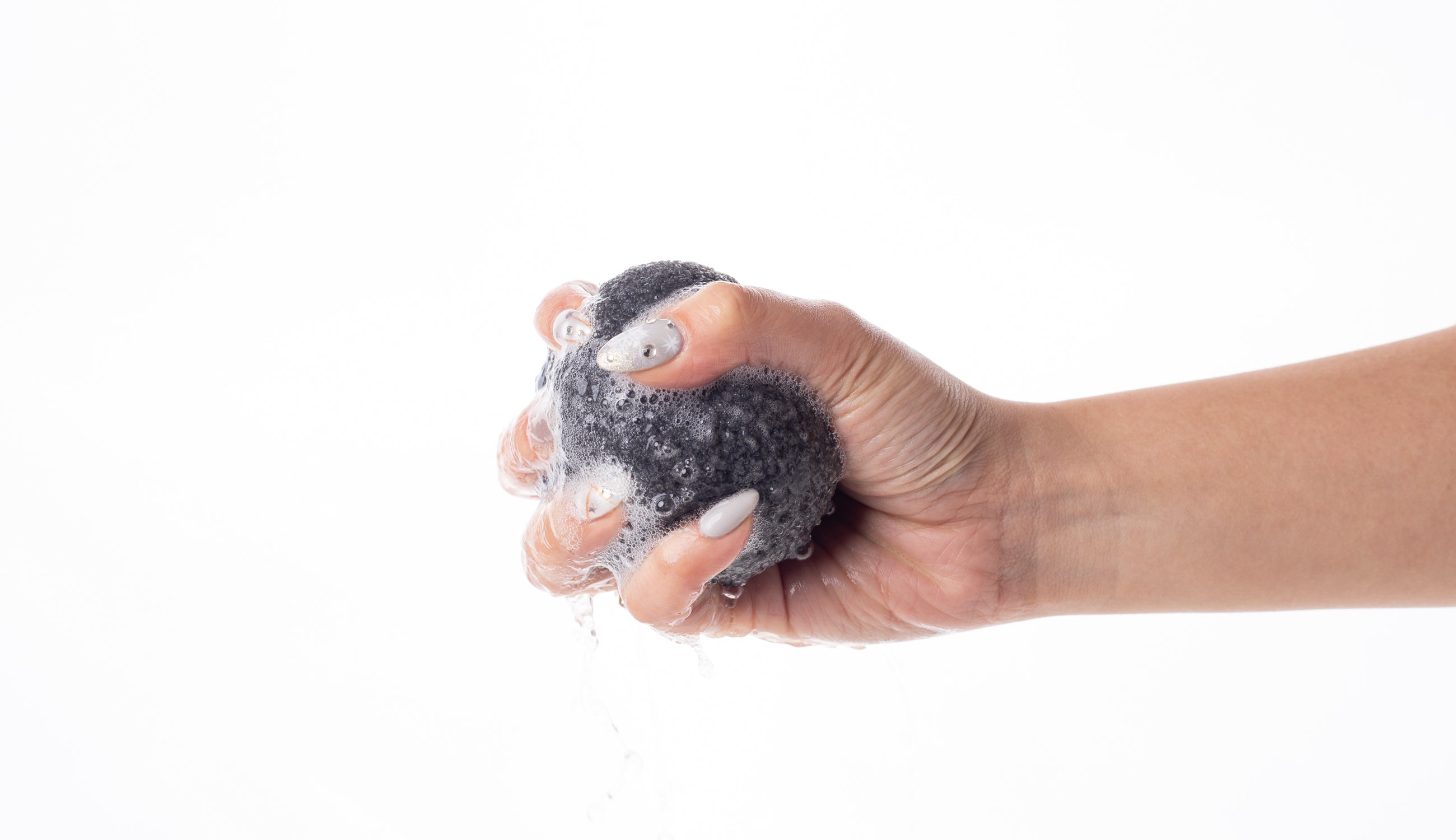
When it comes to cleansing your face, your fingertips are the most effective tool at your disposal – as long as they are clean! The American Academy of Dermatology advises against using harsh materials like washcloths and mesh sponges, which can cause irritation and harm to your skin. Instead, opt for gentle methods that respect your skin’s integrity.
Using a soft konjac sponge or a facial cleansing brush can enhance your cleansing routine, as these tools are specifically designed for facial care. Nevertheless, it remains vital to treat your skin delicately while using these tools. For those with dry or sensitive skin types, sticking to your fingers may be preferable, but a lathered konjac sponge can also provide a gentle touch.
Understanding the Ideal Water Temperature for Effective Facial Cleansing
Dermatologists highlight that using very hot water can strip your skin of its essential natural oils, compromising its protective barrier. This is detrimental to skin health, as the protective barrier is vital for shielding the skin from UV rays and various environmental stressors. Furthermore, it plays a significant role in defending your skin against irritants that could lead to inflammation.
To optimize your cleansing experience, rinse your face with lukewarm water before applying cleanser; this helps to open up your pores. Follow this with a splash of cold water to help seal the skin’s cuticle, locking in moisture and enhancing your skin’s overall health.

Is Your Cleansing Routine Effectively Removing Makeup?
Washing your face once with a standard cleanser may not be sufficient to remove all traces of makeup and sunscreen from your skin. Thorough makeup removal is critical for preventing breakouts and reducing visible signs of aging. Residual makeup left on overnight can lead to skin fatigue, clogged pores, and various skin issues. It is advisable to remove your makeup thoroughly before beginning your cleansing process for optimal skin health.
Exploring the Benefits of Double-Cleansing for Your Skincare Routine
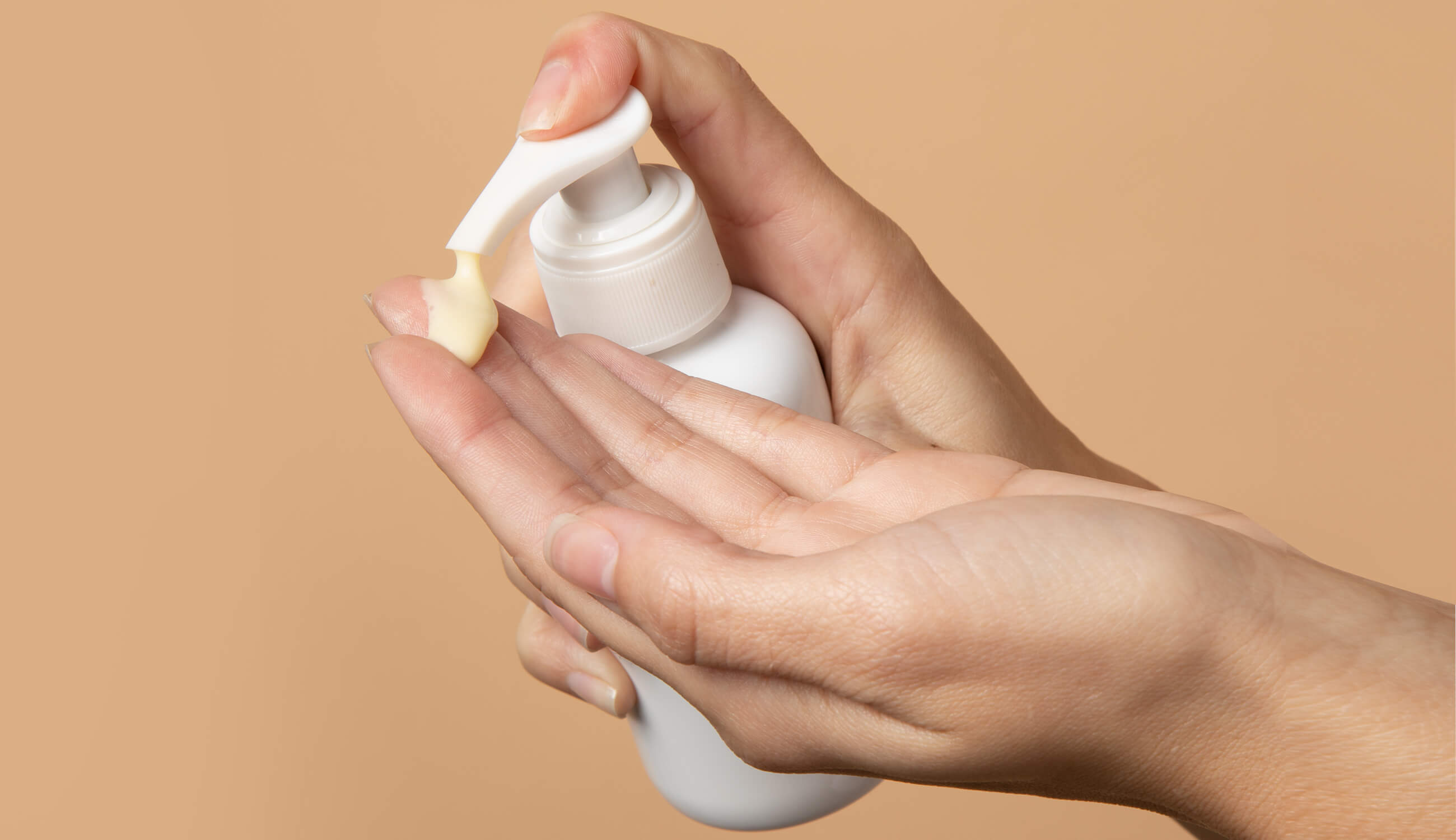
Double-cleansing goes beyond simply washing your face twice in succession. This popular Korean skincare technique involves using an oil-based cleanser (or natural oil) followed by a water-based cleanser. This method ensures that dirt, makeup, and impurities are completely dissolved and eliminated from your skin, making it particularly beneficial for individuals who wear heavy makeup, waterproof mascara, or sunscreen.
For best results, select gentle double-cleansing products, such as a natural oil combined with a cream cleanser designed for sensitive skin. Dermatologists recommend performing a double cleanse once a day, ideally in the evening, to effectively remove any residues accumulated throughout your day.
PRO TIP: Check out our user-friendly guide to face wash, which will assist you in choosing the most suitable formula for your specific skin type.
Determining the Optimal Frequency for Washing Your Face
Overwashing your skin can lead to dryness, inflammation, and a compromised protective barrier. Conversely, not washing enough can result in dull skin and acne, heightening your risk of skin infections.
According to the American Association of Dermatologists, aim to wash your face twice daily – once in the morning and once in the evening – and after engaging in intense physical activity. Sweat can irritate your skin and clog your pores, potentially leading to breakouts, making it essential to cleanse your face promptly after any sweat-inducing activities.

Mastering the Essential Do’s and Don’ts of Proper Face Washing
Grasping the nuances of how to wash your face properly can be daunting, especially if you’re accustomed to a specific routine. However, we’re here to simplify the process! Below are some of the most critical do’s and don’ts when it comes to washing your face effectively.
Do: Make Nightly Cleansing a Non-Negotiable Ritual
This is arguably the most vital tip: cleansing your face should become a nightly ritual, regardless of whether you wore makeup that day. The aim of washing your face is to remove all impurities from the day; this includes not only mascara and blush but also sunscreen, sweat, and the bacteria accumulated throughout the day. Therefore, always prioritize washing your face before hitting the bed!
Don’t: Overuse Facial Tools
The market is flooded with various facial tools claiming to enhance your cleansing experience. However, the reality is that your hands can perform just as well, and some tools might inadvertently cause more harm than good. Certain tools can tug at the skin or be overly abrasive for your skin type. Choose your tools wisely, and ensure that any facial gadgets you use are kept clean and sanitized.
Do: Experiment with an Exfoliating Cleanser
An exfoliating product can be beneficial for anyone’s skincare routine. These products are formulated to slough off dead skin cells and clear excess sebum, promoting clearer pores. Exfoliants can either be physical, such as scrubs, or chemical, which work to dissolve impurities on a molecular level, offering a deeper cleanse.
Don’t: Overdo Exfoliation
While exfoliating can be incredibly advantageous for your skin, it’s crucial to avoid over-exfoliating. Stick to exfoliating one to three times per week, as excessive exfoliation can strip the skin of its natural oils and disrupt the delicate acid mantle balance.
Do: Consider Using a Cleansing Milk
If past cleansers have left your skin feeling tight or dry, a cleansing milk may be the solution you’ve been searching for. These cleansers are formulated with hydrating ingredients and have a creamy texture, ensuring that your skin feels nourished rather than stripped of its essential oils.
Don’t: Under-Cleanse Your Skin
While we advocate for a gentle touch, it’s essential to ensure that your cleansing is thorough. Pay special attention to areas around the eyes, hairline, and neck, where makeup residue tends to linger. Take your time during this process; a gentle facial massage can be beneficial here!
Incorporating Facial Massage into Your Skincare Routine
Many professional dermatologists integrate facial massages into their skincare treatments to enhance circulation throughout the skin. Although there are claims that facial massage can promote lymphatic drainage, these assertions remain unverified by substantial research. Additionally, we approach any technique claiming to ‘slim down’ your face with skepticism!
Nonetheless, improved circulation can enhance skin radiance. Therefore, if you can spare a few minutes during your shower or at the sink, we recommend treating yourself to a gentle facial massage once or twice a week during or after your cleansing ritual. For further guidance on facial massage techniques, consider exploring tutorials such as an Ayurvedic massage tutorial.
It’s vital to treat your skin with kindness, ensuring you choose a natural face cleanser suited to your skin type while being gentle during your cleansing routine. After cleansing, follow up with your preferred toner, serum, and/or moisturizer. Your skin will thank you with a fresh and hydrated appearance!
