


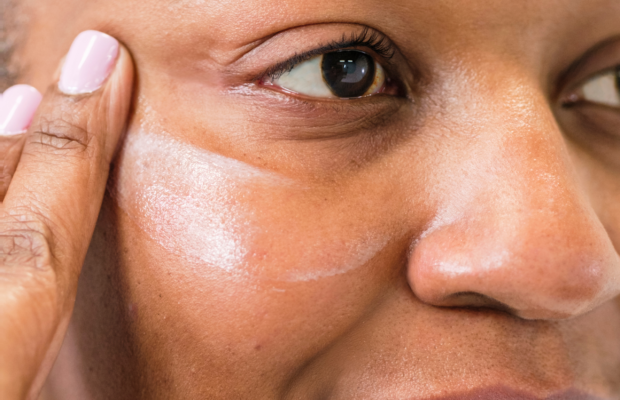
Let’s delve into the topic of dry skin. If you’re over the age of 40, it’s quite likely that your skin’s natural oil production has diminished significantly, leading to questions about which type of moisturizer is most effective for dry skin. Does that sound familiar? Many moisturizers designed for dry skin are packed with what are known as “occlusives,” which are oils that leave a thick, greasy sensation on the skin. However, does this type of moisturizer genuinely address the root causes of skin dryness?
Firstly, it’s essential to understand that moisturizers have significantly evolved over the years. Your mother’s go-to moisturizer from the past may not be as effective as today’s formulations. Yet, many product developers have not kept pace with this evolution, and you might still be using products that fail to meet the real needs of your dry skin.
In this article, I will provide you with insights about how moisturizers function, why many current formulas may not effectively address the underlying issues, and the key factors to consider when selecting the perfect moisturizer for your dry skin. So, let’s explore this topic in depth!
A Comprehensive Look at the Evolution of Moisturizers
The history of using moisturizers for treating dry skin spans thousands of years, with ancient civilizations utilizing natural remedies. They relied on substances such as animal fats, lanolin (derived from sheep wool), and oils extracted from almonds and olives, along with beeswax. These ingredients provided an oily texture on the skin while alleviating feelings of tightness and imparting a soft, supple finish.
During the 19th century, innovations like cold cream were introduced, followed by the development of petroleum jelly. Both of these products also delivered an oily consistency, providing relief for dry skin by making it feel less taut.
As cosmetic science and dermatology advanced, the formulation of moisturizers became more precise. Commercial products began to incorporate not only oils (known as occlusives) but also water and emulsifiers, enhancing their efficacy.
Today, moisturizers are constantly being updated to cater to the evolving requirements of individuals suffering from dry skin. However, despite these advancements, many formulations still fall short of effectively addressing the complexities of skin hydration.
Understanding the Misconceptions Surrounding Heavy Oil-Based Moisturizers for Dry Skin
- Oils create an illusion of radiance. The application of oils instantly enhances shine, reflecting light to make the skin appear more radiant. However, this superficial glow does not equate to actual improvement in skin dryness.
- A deceptive sense of comfort. While oils impart a feeling of suppleness, applying a greasy moisturizer often masks the sensation of tightness or pulling on the skin. Many individuals mistakenly interpret this sensation as a sign of improved hydration, but it is merely a transient feeling and does not genuinely enhance the skin’s moisture levels.
- Generational beliefs about moisturizers. The expectation for a specific type of moisturizer—typically heavy in occlusives—has been passed down through generations. Many of us learned about skincare from our mothers and grandmothers, who often swore by thick, greasy products.
Identifying the Essential Needs of Your Dry Skin
- Hydration is key. Both dry skin and oily skin require adequate moisture. Think of your skin cells as akin to fish—they thrive on water! This indicates the importance of using a toner within 60 seconds after cleansing and allowing it to remain on damp skin. Additionally, applying a hyaluronic acid or humectant-rich serum beneath your moisturizer can effectively deliver skin-plumping hydration. Understanding the difference between dryness and dehydration is crucial, and I recommend watching this informative video. Moreover, drinking water alone will not sufficiently hydrate your skin, but these three practices will.
- Incorporating oil. Only individuals with dry skin need to incorporate oil into their skincare routine, as those with oily skin already produce sufficient oil naturally.
- A thoughtfully formulated moisturizer for dry skin. It’s essential not to assume that a product’s richness and greasiness equate to its effectiveness. A well-balanced moisturizer can provide the necessary hydration and oil to the skin without merely sitting on the surface.
- Restoring your skin’s barrier. To effectively combat dryness, it is crucial to repair the skin from within rather than solely addressing surface issues. Learn more about how to fix a damaged skin barrier.
- Steering clear of harsh products. Be aware that your vitamin C serum may be causing what is known as a “vitamin C acid burn,” which is definitely counterproductive.
Tips for Selecting the Right Moisturizer for Your Dry Skin
- Don’t judge by texture alone. Look beyond a product’s consistency; even lighter formulations can provide exceptional hydration and skin barrier repair. Avoid jumping to conclusions about a rich, greasy product.
- Select moisturizers designed to restore the skin barrier. When examining ingredient lists, it can be overwhelming; however, if a product is marketed as “barrier-repair,” it’s generally a favorable choice.
- Look for key ingredients in your dry skin moisturizer. To effectively combat dry skin, prioritize products containing ingredients like niacinamide, linoleic acid, usnic acid, phytosterols, ceramides, shea butter, squalane, vitamin E, dimethicone, and soybean oil, among others. (There are many beneficial ingredients to consider!) Here are five effective methods for restoring dry skin.
- Seek professional advice. Consulting with an esthetician or dermatologist can provide you with tailored recommendations for a moisturizer that suits your dry skin’s unique requirements.
Did you know that achieving barrier correction is possible without relying on oily occlusives? While oily and acne-prone skin types do not require the same level of oil as dry skin, their barriers also need support—especially when using acne treatments that can severely compromise the skin barrier. Check out this before and after transformation!
Timeline for Seeing Improvement in Dryness with the Right Moisturizer for Dry Skin
The skin undergoes a life cycle of approximately 28 days, making it crucial to allow any product sufficient time to yield visible results. Dry, flaky skin requires time to naturally exfoliate and reveal new, softer skin underneath.
If you’re in search of a moisturizer for dry skin that remarkably feels lightweight yet is highly effective, consider trying Skin Recovery Balm. Featuring Barrier5 technology, it mimics your skin’s natural lipids, providing hydration without a greasy residue. It absorbs into the skin rather than sitting on top, offering an intelligent solution for correcting dryness. Upon application, it may feel slightly tacky due to hydrating humectants like glycerin and propanediol that help trap moisture. Once dried, it works to restore your skin’s barrier, creating a “second-skin” effect that can last through the night. By morning, you will notice that your skin feels incredibly soft and rejuvenated.
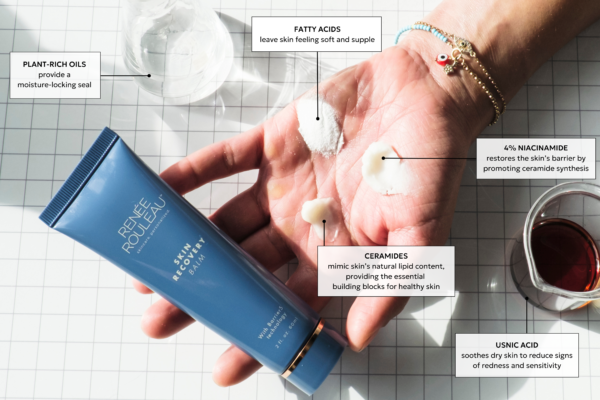
If you prefer a richer texture, consider layering with Rest Day Masque on top or incorporating a skin oil. However, on its own, the Skin Recovery Balm sufficiently meets all your moisture needs for long-term barrier health.
A Final Thought…
As a seasoned esthetician with extensive experience working with countless clients, I want to emphasize the importance of re-evaluating your moisturizing habits. Given that this is a product you apply daily, maximizing its benefits is paramount. Relying solely on a basic, thick, greasy moisturizer is insufficient for correcting dryness. You need a specialized dry skin moisturizer that genuinely repairs and revitalizes your skin, guiding you towards achieving soft, healthy, and radiant skin that truly glows!

Celebrity Esthetician & Skincare Expert
Renée Rouleau is a skilled esthetician with expertise in cosmetic chemistry, having dedicated 30 years to studying skin, educating others, and developing an award-winning product line. Her hands-on experience and deep understanding of skin needs have resulted in effective solutions tailored for nine different skin types, ensuring optimal care. Renowned by celebrities, editors, and skincare enthusiasts worldwide, her extensive knowledge and continuous research have earned her recognition as one of the most passionate skin practitioners, as noted by Marie Claire.
!function(f,b,e,v,n,t,s)
{if(f.fbq)return;n=f.fbq=function(){n.callMethod?
n.callMethod.apply(n,arguments):n.queue.push(arguments)};
if(!f._fbq)f._fbq=n;n.push=n;n.loaded=!0;n.version=’2.0′;
n.queue=[];t=b.createElement(e);t.async=!0;
t.src=v;s=b.getElementsByTagName(e)[0];
s.parentNode.insertBefore(t,s)}(window,document,’script’,
‘https://connect.facebook.net/en_US/fbevents.js’);
fbq(‘init’, ‘466707850347066’);
fbq(‘track’, ‘PageView’);