


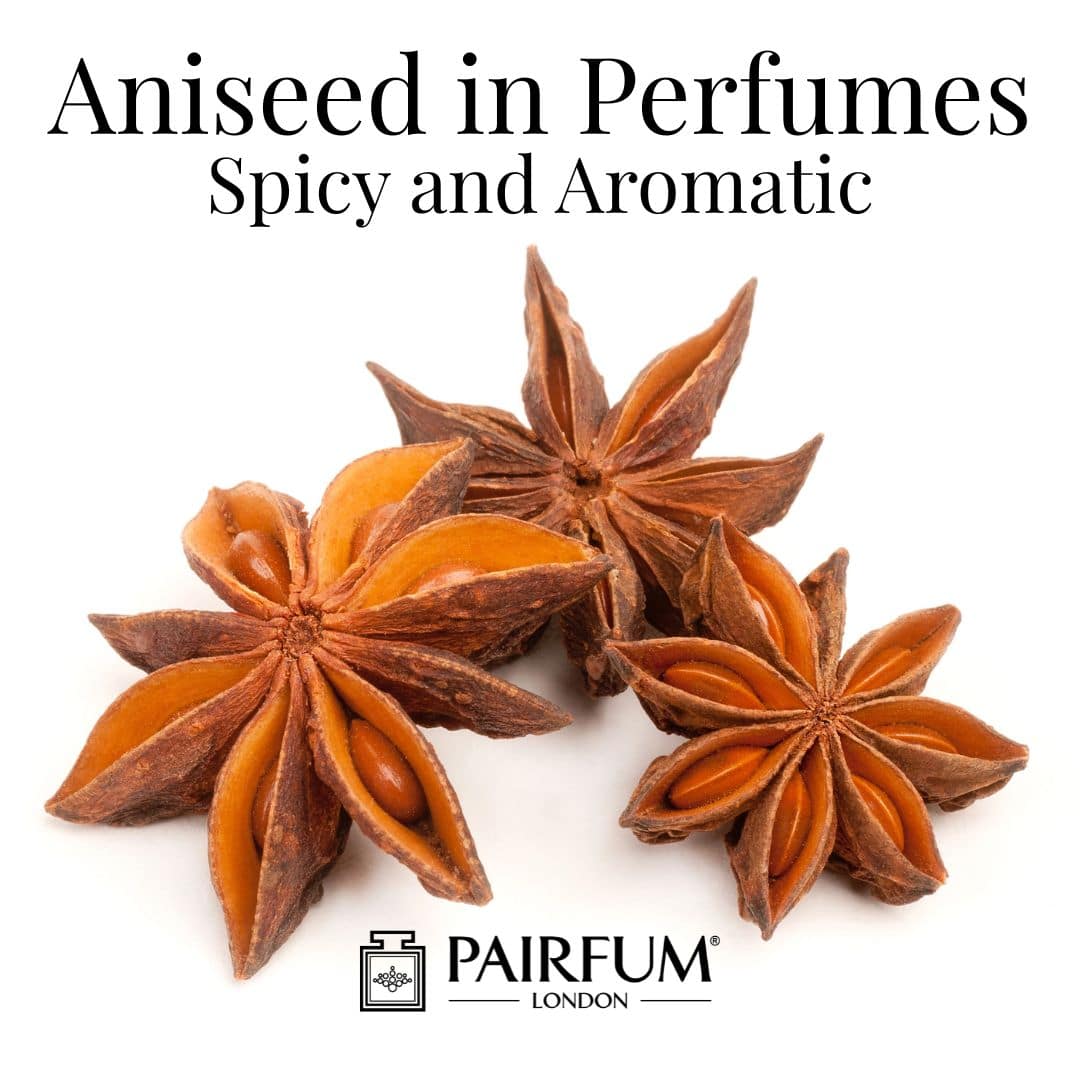
Key Points
- Origin: Aniseed is derived from the Pimpinella anisum plant, native to the Mediterranean.
- Culinary Uses: Aniseed is popular in various cuisines, including pastries and liqueurs.
- Health Benefits: Traditionally, aniseed is known for aiding digestion and soothing coughs.
- Aromatic Qualities: The unique scent of aniseed is characterized by its sweet and liquorice-like fragrance.
Aniseed is the seed of the anise plant (Pimpinella anisum), a flowering herb originally from the Mediterranean region and parts of Southwest Asia. It has a naturally sweet, liquorice-like taste and aroma and is widely used in cooking and baking, from pastries and candies to liqueurs and savoury dishes. Beyond its culinary uses, aniseed has also been valued in traditional medicine for easing digestive discomfort, soothing coughs, and naturally freshening breath.
Scents mingle in the air, some delicate, others bold. Among them, aniseed is instantly recognisable, standing out with its sweet, spicy, liquorice-like quality. Imagine stepping into a space filled with fragrance. It brings both surprise and a feeling of familiarity, creating perfumes that lodge themselves in memory. Used carefully, it adds warmth, clarity and a note of intrigue to compositions that might otherwise slip into the ordinary.
What is Aniseed? From Plant to Perfume
Aniseed is derived from Pimpinella anisum, an aromatic herb belonging to the Apiaceae family, which also includes carrots, fennel and parsley. The plants are native to the Eastern Mediterranean and Western Asia but are now cultivated across much of southern Europe, with Spain being a well-known producer.
It is a bushy annual growing up to half a metre tall, producing finely divided aromatic leaves and sprays of tiny white flowers that form broad dome-shaped heads typical of the carrot family. Once pollinated, these umbels develop into oval, ridged fruits that many refer to as seed pods. Though commonly called seeds, they are technically schizocarps, which split when ripe to release the true seed.
The plant prefers free-draining soils in sunny sites and is often sown in situ as it dislikes root disturbance. Gardeners are advised to avoid transplanting because moving the seedlings can affect vigour. With the right conditions, this annual thrives and produces an aromatic harvest famed for its role in perfumes, cooking and teas.
Botanical Characteristics and Hardiness
Pimpinella anisum is not especially noted for cold hardiness and so it is usually grown in warmer climates or under protection. In temperate areas, it is sown after the risk of frost has passed, usually in late spring. When grown for its aromatic seed, the crop is harvested several months later as the fruits ripen and dry.
The flowers appear in airy clusters, attracting pollinators such as bees. Once ready, the fruits can be dried and stored for a variety of uses, ranging from culinary product preparations to the distillation of oils for fragrance.
Aroma and Sensory Profile
The essential oil of aniseed is dominated by anethole, which creates the characteristic sweet, liquorice-like odour. It is both fresh and warming:
- Sweet yet spicy
- Clean yet rounded
- Comforting yet invigorating
Perfumers value its balance because it sits comfortably between gourmand sensations and crisp herbal clarity. It can lift a composition when used as a top note or anchor it with subtle spice as a heart note.
Cultural Associations of Aniseed
Throughout history, aniseed has held significance far beyond perfumery. The ancient Egyptians cultivated anise, while the Greeks and Romans recorded it as both a flavouring and a ritual ingredient. One Roman example was sweet cakes flavoured with aniseed, served after feasts as both a digestive and aromatic treat.
In medieval Europe, apothecaries and monasteries grew Pimpinella anisum for use in herbal remedies and potions. Later centuries saw it incorporated into drinks such as pastis, ouzo and sambuca. For many cultures across the Mediterranean, the scent of aniseed is inseparable from the shared experience of a meal or a leisurely drink.
For perfumers and fragrance lovers, these associations enrich the olfactory story. Wearing a perfume with aniseed is not simply about scent, but also about memory, symbolism and heritage.
Aniseed in the History of Fragrance
Ancient World: Egyptians valued it for ritual and healing; the Greeks and Romans prized its energising qualities. A well-documented example is its use in aromatic infusions worn on the body or added to oils.
Middle Ages: Aniseed reached further across Europe, where it became part of herbal gardens. It was valued as much for sweetening the breath as enlivening the atmosphere in home mixtures.
Modern Era: Over the last two centuries, it has gained renewed recognition as perfumers sought unusual notes. Today, an example of aniseed in fragrance is found in gourmand and oriental families, where it tempers sweetness and deepens spice.

Types of Aniseed Oils and Extracts
Perfumers generally use seed-derived materials in the following forms:
- Aniseed Oil: Produced predominantly through steam distillation of dried fruits. It gives perfumes their most vivid version of the note.
- Aniseed Extract: A lighter method, creating subtle accents rather than dominance.
Both are valued because they can either lead a perfume or act as a link between ingredients that would not otherwise blend in harmony.
The transformation of aniseed into perfumer’s oil is delicate.
- Steam Distillation: Steam is passed through crushed seed to release the oil. This method yields a faithful expression of the aroma.
- CO2 Extraction: Provides a clean, concentrated essence, capturing more complex notes without heat.
- Cold Pressing: Rare for anise, but sometimes used to produce oils with a sharper edge.
Each method gives perfumers a slightly different interpretation, broadening their creative order as they design compositions.
Aniseed in the Olfactory Pyramid
Depending on its concentration, aniseed can be used as either a top or heart note. It pairs beautifully with citrus in the opening of a perfume, bridges the sweetness of vanilla and tonka in the middle, and complements woods such as cedar in the base.
Its versatility allows it to feature in gourmand, fougère, aromatic and oriental families, appearing in both unisex blends and compositions with distinct character.
Iconic Perfumes Featuring Aniseed
Several celebrated fragrances highlight aniseed:
- Guerlain’s L’Heure Bleue, where anise joins florals and spices to create depth and mystery
- Lolita Lempicka, blending cherry, vanilla and anise into a whimsical, fairy-tale scent
- Designer reinterpretations which use aniseed for brightness against heavier accords
These examples illustrate how aniseed tempers sweetness, enhances warmth and injects playful intrigue into otherwise familiar combinations.
From Perfume to Everyday Uses
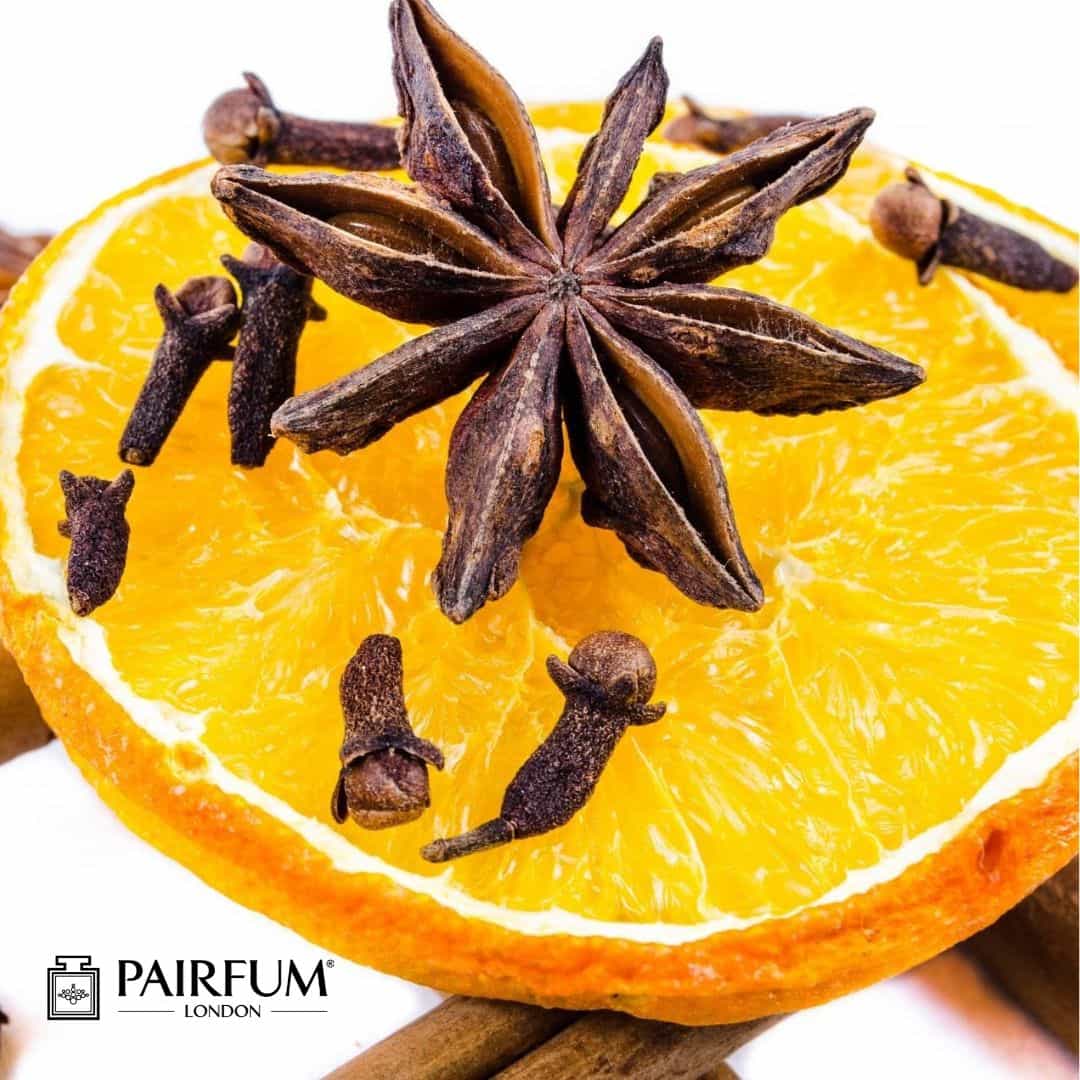
Beyond fragrance, aniseed holds a prized position in food, medicine and ritual. It flavours confectionery, biscuits, breads, and liqueurs. Herbalists use it in soothing teas, often to calm digestion. For many households, the aroma brings both comfort and nostalgia.
The versatility of the product is striking: harvested once the umbels dry, the fruits are dried, ground, pressed into oils or distilled into extracts. Growers in Spain and other Mediterranean countries have exported these seeds for centuries, ensuring aniseed remains part of global culture.
Cultivating Anise: Horticultural Insights
Gardeners continue to cultivate Pimpinella anisum as both an herb and ornamental. Grown as a bushy annual, it performs best when sown in situ. Because the seedlings are delicate and prone to damage, root disturbance from transplanting is avoided. Once established, it produces broad dome-shaped heads of tiny white flowers, which eventually give way to the glossy fruits known as seed pods.
Harvesting occurs as the fruits dry. They can then be cleaned, dried thoroughly and stored in sealed containers to preserve their essential oils. The dried spice is easy to keep for long periods and can later be used in cooking, remedies, or as a perfumery raw material.
With its moderate hardiness, the plant adapts best to sunnier, warmer climates, though it can be raised outdoors during British summers. Like many aromatic plants, it performs well in free-draining soil and rewards the gardener with fragrance, history and usefulness.
Why Aniseed Belongs in Perfumery
Aniseed is more than just a spice. It bridges culture, history and olfactory pleasure in a way few ingredients do. From its delicate flowers in the field to its role in ancient feasts and modern perfumery, it offers continuity through centuries.
It can refresh and uplift when used lightly, or add depth and richness when placed more centrally within a composition. For fragrance lovers, it is the aromatic chameleon that never fails to delight, creating perfumes that feel both timeless and surprising.
Aniseed & Personal Fragrance with Pairfum London
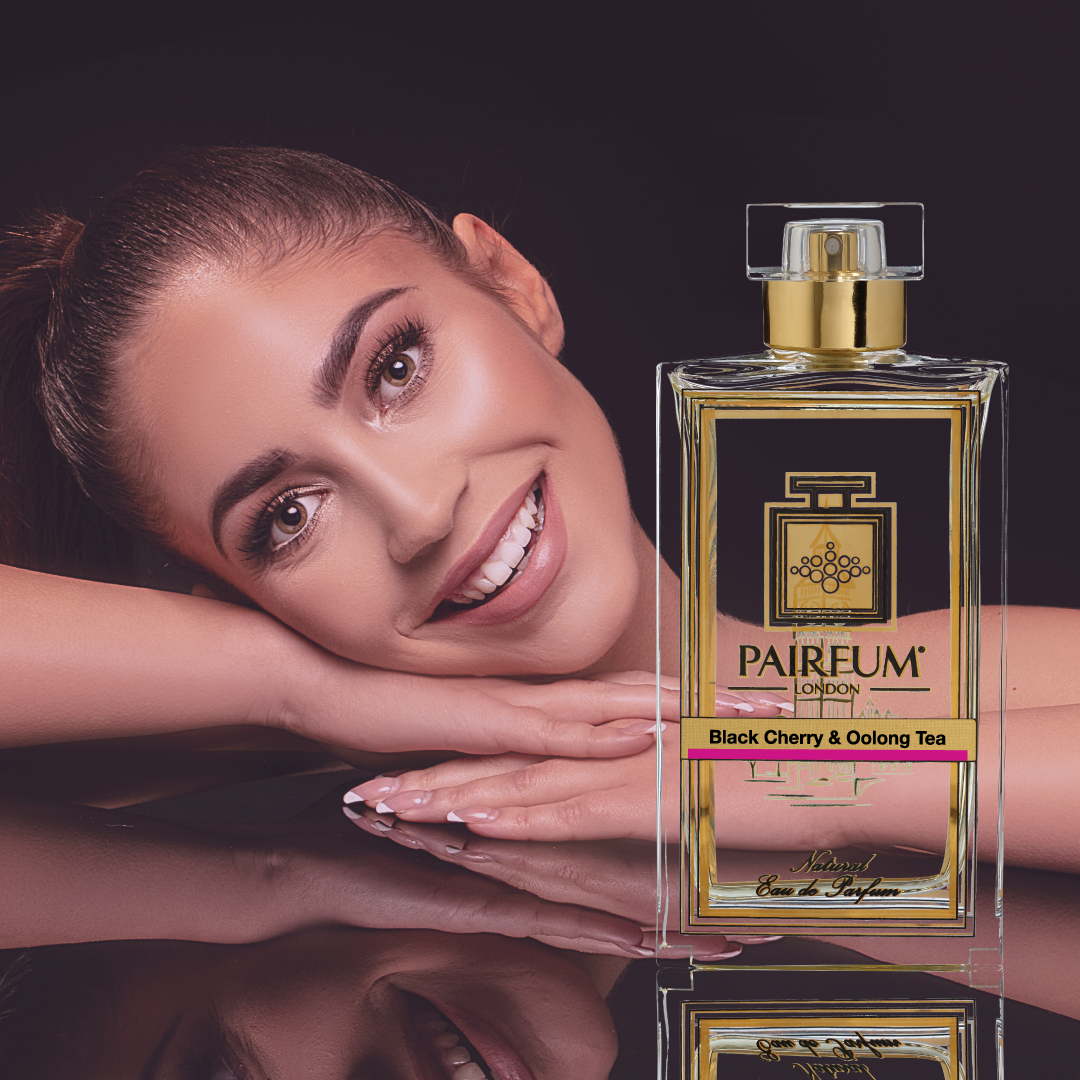
Aniseed has a rich tapestry of uses, weaving through the annals of history as both an aromatic and a healing element. Its unique, sweetly spiced profile melds tradition with innovation, making it a cherished choice in modern perfumery. Embracing this essence, our Black Cherry & Oolong Tea Eau de Parfum elevates the experience by blending aniseed’s timeless allure with luscious black cherry and the subtle sophistication of oolong tea. Crafted for those who appreciate the art of fragrance, this perfume invites you to explore a symphony of scents that not only captivate the senses but also tell a tale of aromatic legacy.
Black Cherry & Oolong Tea – Eau de Parfum by Pairfum London
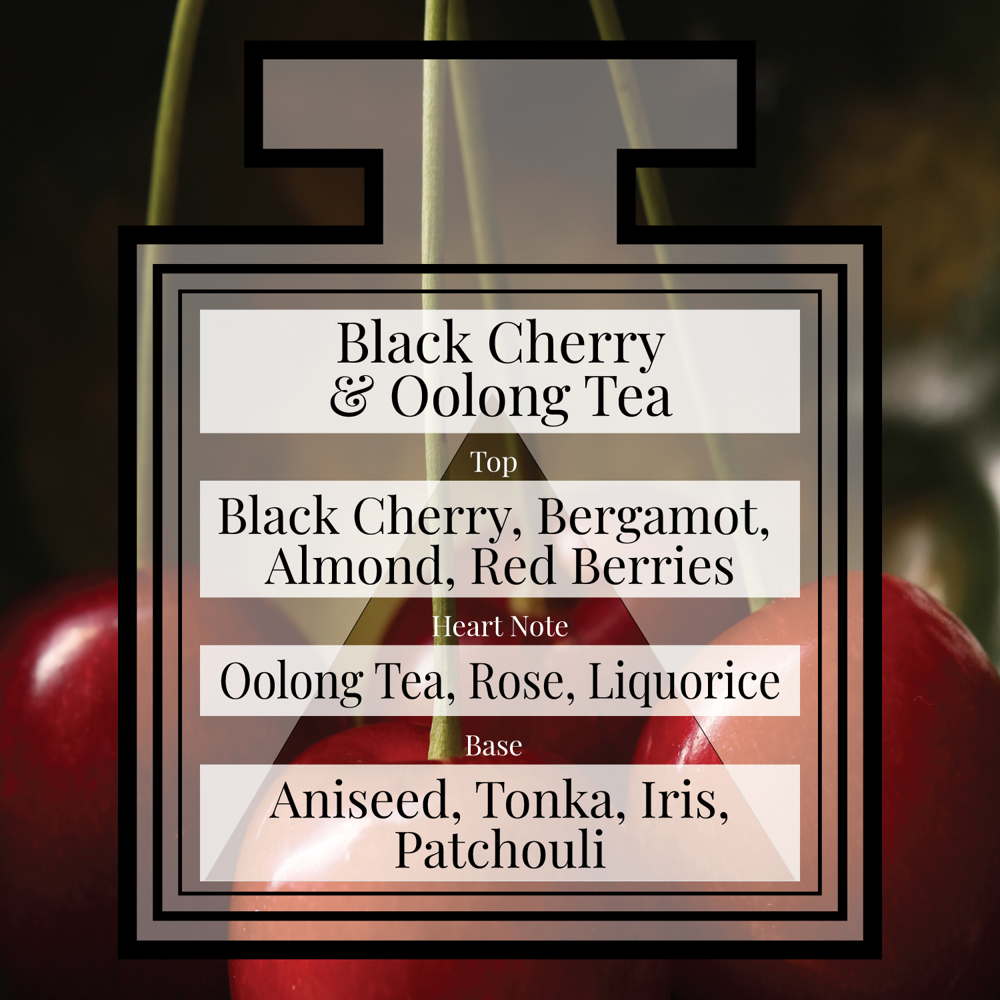
This fragrance begins with a vibrant blend of black cherry, bergamot, red berries, and nutty almond. The heart offers an elegant mix of oolong tea, Bulgarian and Turkish roses, and liquorice. The rich base is characterised by notes of aniseed, tonka, iris, and patchouli, creating a harmonious and captivating scent.
Final Reflections
The story of aniseed moves effortlessly from the gardens of antiquity to the ateliers of modern perfumers. It is grown in situ as a bushy annual, producing umbels of tiny white flowers, harvested for their aromatic seed pods, refined into oils and then transformed into perfumes that intrigue and comfort.
From the ancient Mediterranean to historic Europe, from Roman banquets to contemporary teas and drinks, its cultural journey has been rich and varied. The enduring presence of Pimpinella anisum in human life stands as a testament to the fragrance, usefulness and charm of this remarkable plant.
Whether encountered in a sweet confection, a herbal infusion, a home product, or a complex perfume, the note of aniseed is instantly recognisable and endlessly captivating.
Java Burn

Drink Coffee and Lose Weight
This will close in 12 seconds