


Beef tallow, a once-common household ingredient, is experiencing a resurgence in the realm of clean beauty. But is this rendered beef fat truly the hydrating wonder that many assert? In this article, I will explore the myriad benefits and potential downsides of incorporating beef tallow into your skincare regimen. By the end, you’ll see whether or not I plan to include beef tallow in my own skincare routine.
*Affiliate Disclosure: This blog post contains affiliate links. If you choose to purchase through my link, I will earn a small commission at no extra cost to you, paid by the company. I take my role as an affiliate seriously and only partner with brands I trust and believe in.
Understanding Beef Tallow: The Basics
Beef tallow is the fat rendered from the fatty tissues of cows. To put it simply, it results from melting down the fatty parts of beef, transforming them into a clear liquid that solidifies upon cooling. This process yields a product rich in beneficial properties that can be harnessed in various applications, including skincare. As we delve deeper into its impact on skin health, we need to consider both its composition and historical significance.
The Rich History of Beef Tallow in Skincare Practices
The utilization of beef tallow can be traced back through numerous cultures over many centuries, revealing its enduring legacy in skincare.
- Ancient Egypt – In this civilization, beef tallow served as a protective barrier against the harsh, arid desert environment, safeguarding the skin from moisture loss.
- Medieval Europe – During this era, beef tallow was an essential item in households, used not only for cooking but also in the production of candles and soap. It was discovered that the remains from soap-making left skin feeling soft and less prone to cracking, leading to its adoption in skincare regimens.
- Native American Cultures – Indigenous peoples recognized the skin-nourishing benefits of beef tallow, often blending it with herbs and other natural ingredients to create healing salves, particularly vital for those in colder climates to prevent skin chapping.
However, with the onset of the industrial revolution, mass production of skincare products began, leading to the replacement of traditional natural ingredients like beef tallow with synthetic alternatives. This shift was largely driven by cost efficiency and the demand for lighter, unscented products.
Today, as the clean beauty movement gains momentum, the interest in beef tallow in skincare has resurged. But, does it live up to the hype? Keep reading for an in-depth analysis!
Exploring the Benefits of Beef Tallow for Skin Health
The unique composition of beef tallow is particularly appealing for skincare applications. It contains a wealth of nutrients, including:
- Essential vitamins such as A, D, K, E, and B12
- Choline, which is vital for skin health
- Conjugated linoleic acid (CLA), known for its health benefits
- A variety of fatty acids, including oleic acid, palmitoleic acid, stearic acid, and linoleic acid
Research indicates that the components of beef tallow closely resemble the fats or lipids found in the outermost layer of our skin, known as the stratum corneum. This similarity suggests that beef tallow can be effectively absorbed and utilized by our skin, providing moisturizing and nourishing effects.
When sourced properly, beef tallow is considered non-toxic and entirely natural, free from synthetic additives that often plague conventional skincare products.
In recent years, the popularity of beef tallow has surged due to its potential benefits for skin health. However, like any ingredient, it is crucial to investigate its full spectrum of advantages and potential concerns. While it may seem like a miracle ingredient, it’s essential to weigh both the pros and cons before integrating it into your routine.
Insights from a Skincare Expert: Esthetician Marissa Gossett
To gain a deeper understanding of beef tallow in skincare, I consulted with my friend and skincare expert esthetician, Marissa Gossett. She provided valuable insights to help clarify the role of beef tallow in skincare. Here’s a bit about Marissa and her expertise:

Marissa has faced her own skin challenges, including going through two rounds of Accutane, which motivated her to become an esthetician in 2006. She discovered that many women with acne-prone and sensitive skin felt just as unprepared to manage their skincare as she did.
Despite her training, Marissa found a significant gap in education regarding effective skincare practices. In her quest for knowledge, she stumbled upon corneotherapy, a skincare philosophy focused on fortifying the skin barrier with ingredients that are native to the skin.
After identifying skincare lines aligned with this philosophy, Marissa began offering virtual consultations. Over the years, she has developed Gritty Beauty, which takes a comprehensive approach to address acne, hyperpigmentation, and aging.
Since 2018, Marissa has launched the Stunning Skin program, guiding women towards clear and healthy skin. Additionally, she hosts a free Skin Group for questions and learning, along with Gritty Beauty Approved, a subscription for acne-friendly beauty products.
Use code GURLGONEGREEN to save 10%!
Resources from Marissa:
Stunning Skin Program
Skin Group
Gritty Beauty Approved Membership
Assessing the Potential Drawbacks of Beef Tallow in Skincare
It wasn’t long ago that many skincare professionals advised against using coconut oil as a miracle beauty solution! It’s understandable; natural ingredients can seem harmless or even ideal, but not all are beneficial or compatible with human skin. Many individuals have experienced breakouts and dermatitis from using such products.
Fast forward to today, and attention has shifted to tallow, or beef fat. Like many, I’m eager to enhance the appearance, texture, and functionality of my skin, which is why I often seek innovative cosmetic formulations that align with and optimize my skin’s needs. This article will help you determine if tallow is a suitable option for your skincare goals!
If the idea of using tallow in cosmetics raises concerns, your instincts may be correct! You might question the efficacy of a product developed by someone without a cosmetic chemistry background, or perhaps the texture and scent don’t appeal to you. Additionally, it’s worth considering why it’s taken so long for the healing benefits of tallow to gain recognition when it has existed long before modern skincare.
These thoughts prompted me to research tallow further, exploring who is using it, the condition of their skin prior to its use, the mechanisms behind both positive and negative results, and the overall outcomes. I often find myself intrigued by trending skincare products and treatments, especially when they yield a wide range of testimonials.
Understanding the Mindset of Tallow Users
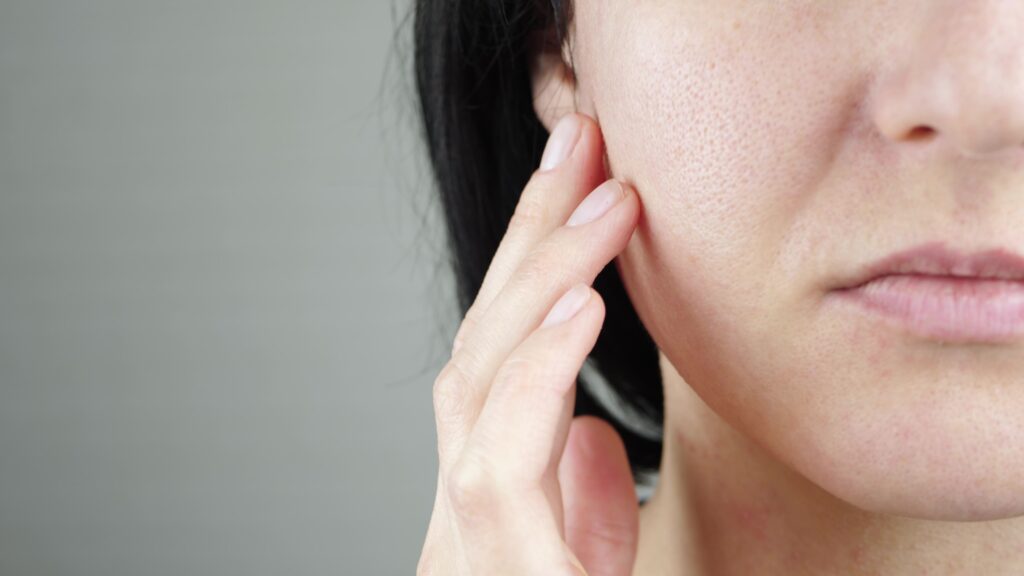
Individuals who gravitate towards tallow as a skincare solution often adhere to a pro-metabolic or traditional nourishing lifestyle, eschewing plant oils for fear that they may be detrimental to human skin and overall health. This mindset emphasizes simplicity in beauty routines, adopting a ‘less is more’ philosophy and favoring natural ingredients.
Tallow users often embrace a minimalist beauty approach – “Less is more. The closer to nature, the better.”
Unfortunately, many of these users are on a quest for a miraculous solution to their skin issues, rather than seeking to comprehend the complexities and nuances of skin health. I’ve encountered numerous stories from tallow users who had barrier-impaired skin and experienced issues like inflamed acne, dermatitis, and eczema. They often report that they tried everything else, including prescriptions, but found relief only when they turned to tallow. However, it raises the question: could a product like Vaseline have achieved similar results?
Evaluating Tallow: Is It Just an Outdated Slugging Technique?
If you’re a fan of tallow and have noticed your skin becoming softer, smoother, and less irritated, it’s possible that you are simply experiencing the benefits of slugging rather than the benefits attributed to tallow itself.
Slugging involves applying an occlusive agent, such as Vaseline or animal fat, as a last-ditch effort to heal a compromised skin barrier.
Slugging acts as a temporary lipid barrier that locks in moisture, a critical component for maintaining youthful skin. This method can even assist in regenerating the skin’s natural moisturizing factors and help rebuild the skin’s barrier, thereby reducing inflammation over time. However, its effectiveness has limitations.
For many, using tallow may transition their skin from a dysfunctional state to a barely functional one. Those with acne-prone skin might notice a temporary improvement, but I have yet to observe tallow taking skin from a functional state to optimal health. In fact, many tallow users often remain unaware of how much healthier their skin could be. If they’re satisfied with their skin while using tallow, that’s their choice, but it’s important to note that we’re comparing functional skin to optimal skin health.
Assessing Whether Tallow Is Suitable for Your Skin
As a virtual esthetician, my goal is to guide women in maintaining a healthy skin barrier consistently. A significant part of this process involves avoiding inflammatory skincare products and practices to enhance the skin’s appearance and function while promoting overall health.
A 2019 study highlights a link between inflammatory skin conditions and chronic diseases such as Alzheimer’s, heart disease, and diabetes due to persistently elevated cytokine levels. This emphasizes the importance of selecting the right products and approaches for skincare, rather than imposing subjective beliefs that may be limited or biased.
Thus, I will critically analyze tallow as I would any other cosmetic ingredient, considering how it interacts with the skin on a physiological level, both positively and negatively. While tallow does provide occlusive and emollient benefits like all lipids, its effectiveness may end there. Without meeting the physiological requirements of skin health, users may notice signs of disconnect and issues down the line.
The Dangers of Relying on Fats, Oils, Butters, and Balms (FOBBs) Instead of Traditional Moisturizers
In my practice, I frequently observe clients with dehydrated skin despite their adequate water intake and healthy weight. How can I tell? The presence of fine lines across the forehead indicates locked-in dryness and dehydration.
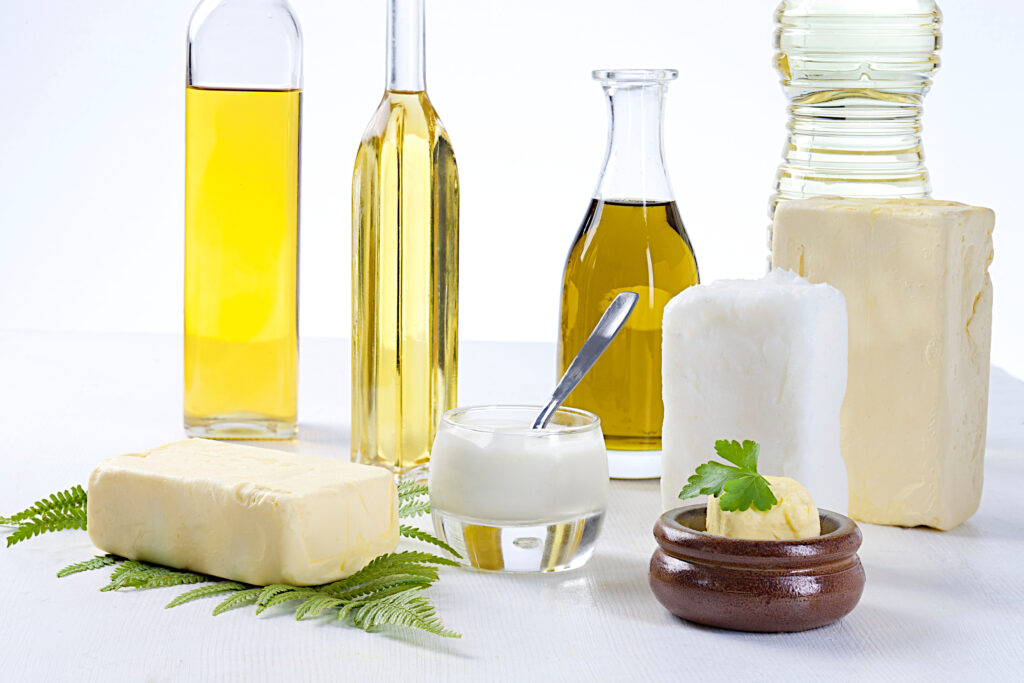
Many women with dehydrated skin mistakenly believe they have dry skin and gravitate towards using FOBBs like tallow, thinking they are hydrating their skin! However, FOBBs primarily function to prevent transepidermal water loss (TEWL) rather than providing moisture.
Adopting waterless routines or neglecting humectant-based products can be detrimental because water-rich skin is essential for resisting inflammation and collagen degradation. Dehydrated skin is so widespread that a majority of my clients see significant improvement when they rehydrate their skin. If your skincare strategy relies solely on FOBBs like tallow without incorporating water-based formulations, it could lead to increased acne, dermatitis, or accelerated aging.
Why Tallow Isn’t Classified as a Cosmetic Ingredient
Neither tallow nor any other animal fat qualifies as a recognized cosmetic ingredient. While this may seem trivial, countless sophisticated cosmetic ingredients are far more beneficial for the skin and do not contain harmful chemicals. (Keep in mind that tallow is a chemical itself.)
I consulted two experienced cosmetic chemists to understand their aversion to tallow, and their consensus was simple: the drawbacks outweigh the benefits. While handmade cosmetics have their place, dismissing the expertise of professional cosmetic chemists in favor of home-blended concoctions is misguided.
Understanding the Importance of Free Fatty Acids in Animal Fats and Plant Oils
Tallow consists primarily of triglycerides, with a fatty acid composition of approximately 26% palmitic acid, 14% stearic acid, 3% myristic acid, 47% oleic acid, 3% palmitoleic acid, 3% linoleic acid, and 1% linolenic acid.
While some brands tout the benefits of saturated acids like oleic, stearic, and palmitic acids, these are bound within tallow’s triglycerides, rendering them ineffective. Free fatty acid content should be minimal unless tallow has gone rancid, as high free fatty acid levels indicate that the lipid has spoiled. Fatty acids can only be utilized by the skin when they are free, and no one wishes to apply rancid FOBBs, which can promote free radical damage.
This underscores the necessity of integrating antioxidants into all cosmetic formulations, even those that are waterless. Remember, saturated fats like tallow can become rancid over time. To derive skin benefits from any fatty acids, they must be isolated, something cosmetic manufacturers accomplish with efficiency.
The Impact of Acne Bacteria on FOBBs
The composition of fatty acids is particularly important for individuals with acne-prone skin for two reasons:
1. Acne-prone skin tends to produce excess sebum, which can overwhelm the skin’s vitamin E supply, increasing oxidative stress and destabilizing topically applied triglycerides, including tallow.
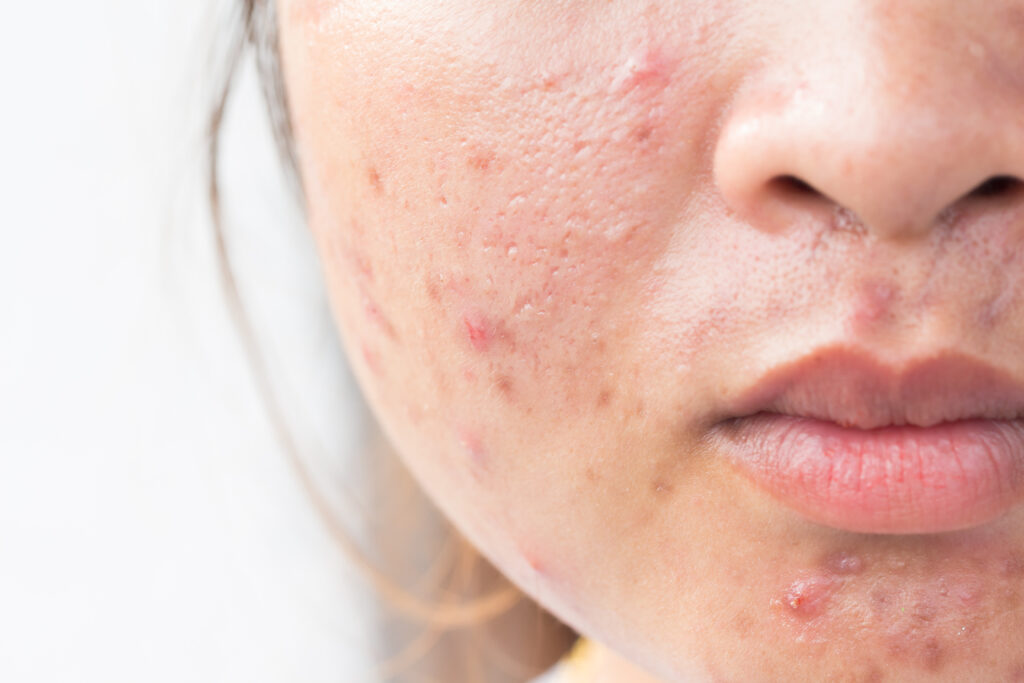
2. Acne bacteria and other opportunistic microorganisms such as Malassezia fungus, Staphylococcus, and Corynebacterium thrive on the glycerol molecules that bind the fatty acids within triglycerides.
While fatty acids like palmitic, linoleic, and linolenic can positively affect acne-prone skin, oleic acid poses a greater risk. Once acne bacteria release oleic acid, it can cause inflammation within the follicle, leading to scabbing, scaling, and further acne breakouts. This is why it’s essential to maintain oleic acid content below 20% in any plant oil (animal fats typically have higher concentrations) and to use it within an emulsion (a moisturizer) that comprises no more than one-third of the formulation.
Other fatty acids of concern include lauric and stearic, which indicate that the plant oil or animal fat is thicker or has a higher melting point, both of which can clog pores or trap bacteria, triggering a complex acne reaction.
Why Tallow Is Not Non-Comedogenic
As previously mentioned, tallow can contribute to the formation of comedones, particularly on the face or areas with a high density of oil glands where bacteria thrive. It’s important to understand that “non-comedogenic” is a cosmetic claim, and unless tallow has undergone third-party comedogenic testing, such a claim is invalid. The non-comedogenic label specifically pertains to acne-prone skin, not skin that may experience dermatitis or occasional blemishes.
The Misconception: Tallow vs. Healthy Human Sebum
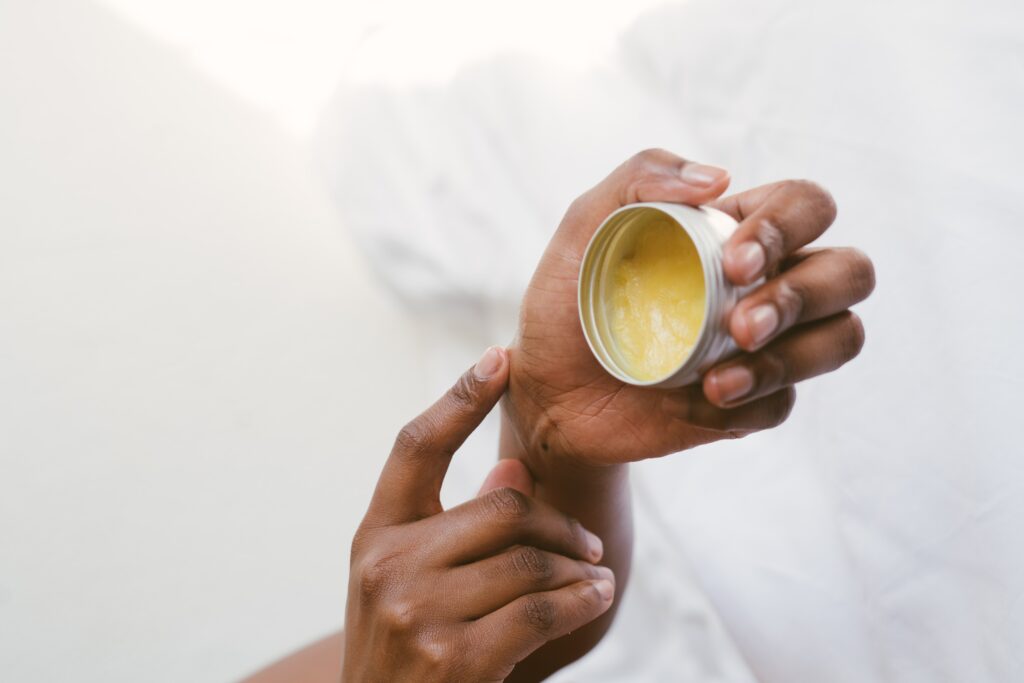
No plant oil or animal fat can truly replicate healthy human sebum, not even renowned ingredients like jojoba oil. Sebum, produced in the sebaceous glands within the follicle, consists of a blend of lipids that migrate to the skin’s surface. This mixture includes triglycerides, waxes, esters, squalene (distinct from squalane), free fatty acids, as well as small amounts of cholesterol and diglycerides.
Studies reveal that sebum in healthy skin is balanced, whereas sebum in acne-prone skin is often overproduced, exhibiting significantly higher squalene levels and lower linoleic acid levels. Consequently, tallow’s composition may resemble that of unhealthy sebum.
It is estimated that linoleic acid constitutes approximately 10-14% of the total fatty acids in healthy human sebum. This essential fatty acid plays a critical role in maintaining skin barrier function, regulating inflammation, and preventing excessive sebum production. While I

Sienna Blake is a licensed aesthetic consultant and beauty writer specializing in cosmetic surgery advancements and non-invasive treatments. With a background in dermatology and over eight years of industry experience, Sienna is passionate about helping people achieve confidence through informed beauty decisions. She holds a Bachelor's degree in Health Sciences and regularly collaborates with top plastic surgeons to stay at the forefront of aesthetic innovations. Outside of her work, Sienna enjoys traveling, skincare research, and practicing Pilates.
