


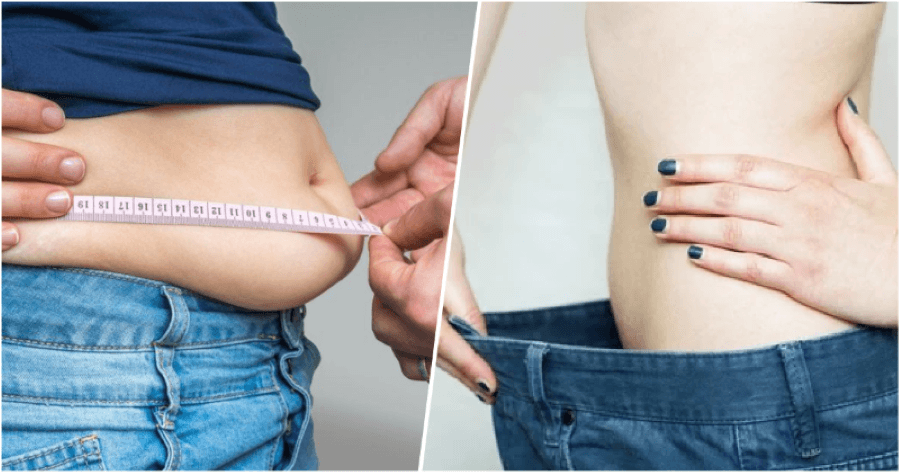
The World Health Organization (WHO) has advocated for a comprehensive strategy aimed at eradicating trans fats from national food supplies due to their link to approximately 7% of global cases of cardiovascular disease. Intriguingly, research indicates that the presence of transfats in your diet can lead to an increase in abdominal fat, even if you are diligent about your overall calorie intake. Trans fats do not just contribute to general weight gain; they are suspected to cause a redistribution of fat, particularly accumulating in the belly region. This is especially concerning for women, as excess belly fat poses significant health risks, including a higher likelihood of developing conditions like type 2 diabetes and cardiovascular diseases. Moreover, abdominal fat can impact how clothing fits, making it challenging for women to find outfits that are both comfortable and flattering. This struggle with belly fat can negatively affect emotional well-being, potentially leading to feelings of frustration, low self-esteem, and even anxiety or depression. Understanding the underlying causes of belly fat in women is crucial for effectively addressing these issues and achieving a more toned midsection. Here are the five main reasons behind belly fat accumulation in women.

1. Impact of High Sugar Intake on Belly Fat Accumulation:
Excessive consumption of sugars, whether sourced from refined sugar, jaggery, or honey, tends to be stored as fat within the body, particularly in the abdominal area. The regular intake of white sugar, sugary beverages, and added sugars found in processed foods like candies, cookies, and baked goods contributes significantly to expanding waistlines. When shopping for processed items, it is crucial to scrutinize the ingredients list meticulously to avoid hidden sugars such as sugar syrup, fructose, glucose, sucrose, and maltose. Taking the initiative to reduce sugar intake is a vital first step in combating belly fat, paving the way for a healthier lifestyle and improved body composition. Strategies like replacing sugary snacks with healthier alternatives can greatly aid in this endeavor.
2. The Dangers of a Sedentary Lifestyle on Abdominal Fat:
Prolonged periods spent seated at a desk job, often ranging from 8 to 11 hours daily, significantly increase the risk of gaining belly fat and developing various other lifestyle-related health issues. It is essential to break up long sitting sessions by standing up and moving around every 30 to 60 minutes. Simply dedicating an hour to exercise at the gym will not offset the detrimental effects of a sedentary lifestyle if the majority of the day is spent sitting. Aim to achieve a daily step count of 8,000 to 10,000 steps by incorporating short walks after meals and utilizing opportunities to stand during phone calls. These small adjustments can cumulatively result in significant health benefits.

3. Understanding the Role of Work-Related Stress in Belly Fat Gain:
Research indicates that elevated levels of insulin and the stress hormone cortisol in the bloodstream can stimulate the activity of lipoprotein lipase, an enzyme that promotes fat storage, particularly around the abdominal region. High work stress levels, often exacerbated by long hours, can lead individuals to seek sugary treats and high-carb comfort foods to cope with stress, inadvertently triggering insulin spikes. This combination of insulin and cortisol can contribute to the accumulation of belly fat. Instead of resorting to food for stress relief, consider engaging in regular physical activity, which can effectively reduce stress levels while also burning significant calories, thus helping manage weight and improve overall health.
4. The Crucial Role of Protein in Managing Belly Fat:
Inadequate protein consumption can hinder efforts to lose belly fat effectively. Protein is essential for many bodily functions, including metabolism, muscle repair, and appetite regulation. A low-protein diet can negatively impact metabolic rates, making it easier for the body to store excess calories as fat. Furthermore, insufficient protein can lead individuals to opt for other high-calorie, less satisfying food choices, resulting in increased overall calorie intake and, consequently, weight gain, particularly around the abdomen. Thus, ensuring a sufficient intake of high-quality protein is vital for maintaining a healthy weight and minimizing the risk of belly fat accumulation. For tailored high-protein meal ideas, consider exploring the Rati Beauty app to help achieve your weight loss goals. Also, check out “10 Kitchen Ingredients That Help Burn Belly Fat” for additional strategies.
5. The Connection Between Sleep Deprivation and Belly Fat:
Many dieters find that despite adhering to their diet and maintaining a consistent exercise routine, they struggle to shed belly fat. In such cases, sleep deprivation often emerges as a significant factor. Lack of adequate sleep disrupts various hormonal functions, leading to increased levels of ghrelin (the hunger hormone) and decreased levels of leptin (the fullness hormone). This hormonal imbalance can trigger overeating and weight gain, particularly in the abdominal area. Additionally, insufficient sleep raises cortisol levels, further contributing to the accumulation of belly fat. Moreover, sleep deprivation often leads to cravings for high-calorie foods. To combat belly fat effectively, it is essential to establish and stick to a healthy sleep routine, aiming for at least 7 hours of restful sleep each night. Also, consider reading “Pants Feeling Tight? 7 Top Weight Loss Tips To Lose Belly Fat” for more insights.
Addressing the multifaceted challenges women face in losing belly fat requires a comprehensive understanding of various contributing factors. Biological differences, including hormonal fluctuations such as those of insulin and estrogen, can complicate the fat loss process for women compared to men. Additionally, societal pressures and unrealistic beauty standards can lead to stress and negative body image, further hindering weight loss efforts. To effectively tackle belly fat, women need to implement dietary changes, engage in regular physical activity, adopt stress management techniques, and prioritize sufficient sleep to foster a healthier lifestyle.
Pants Feeling Tight? 7 Top Weight Loss Tips To Lose Belly Fat
10 Kitchen Ingredients That Help Burn Belly Fat
!function(f,b,e,v,n,t,s)
{if(f.fbq)return;n=f.fbq=function(){n.callMethod?
n.callMethod.apply(n,arguments):n.queue.push(arguments)};
if(!f._fbq)f._fbq=n;n.push=n;n.loaded=!0;n.version=’2.0′;
n.queue=[];t=b.createElement(e);t.async=!0;
t.src=v;s=b.getElementsByTagName(e)[0];
s.parentNode.insertBefore(t,s)}(window, document,’script’,
‘https://connect.facebook.net/en_US/fbevents.js’);
fbq(‘init’, ‘175059706376017’);
fbq(‘track’, ‘PageView’);
