


Explore the Diverse Levels of Perfume Oil Concentration
Many of our customers frequently inquire about the intricate details of fragrance concentrations. Here are some common questions:
- What are the various levels of perfume oil concentration?
- What is the significance of Eau de Parfum Intense, and how does it differ?
- What is the perfume oil content in Eau de Toilette, Eau de Parfum, Parfum, and Eau de Cologne?
The allure of perfume has been woven into the fabric of human culture for centuries, spanning from ancient civilizations to modern luxury. The art of perfumery has undergone remarkable evolution, resulting in a diverse range of fragrance concentrations that cater to various tastes and occasions.
Grasping the different levels of perfume concentration is essential for selecting the perfect fragrance that aligns with your unique personality, style, and lifestyle needs. By understanding these variations, you can make informed decisions that elevate your fragrance experience.
In this article, we will thoroughly examine the various levels of fragrance, starting from the most concentrated options to the lightest. We will explore their distinct characteristics, common uses, popularity, and provide insightful advice from our expert perfumer.
Understanding Parfum: The Pinnacle of Fragrance Concentration
Parfum, also referred to as Perfume Extract, stands at the top of the fragrance concentration hierarchy. It typically contains a substantial concentration of aromatic compounds, ranging from 20% to 30%. It’s important to note that there can be variations within the Parfum category, so always inquire about the specific level of perfume oil in the particular Parfum you are considering.
A Parfum is meticulously crafted using a rich and complex blend of fragrance oils, absolutes, distillates, and other aromatic materials, ensuring that the scent is both long-lasting and intensely potent. Due to this richness, just a small amount of Parfum can last an entire day, making it a luxurious choice for special occasions or evenings out.
Because of its high intensity, Parfum is typically applied sparingly to pulse points, such as the wrists, neck, and behind the ears. It’s also worth noting that Parfum tends to be the most expensive option within a perfumery’s product range, reflecting the high concentration of fragrance oils and the artistry involved in its creation.
Delving into Extrait de Parfum: A Luxurious Fragrance Experience
Extrait de Parfum, often simply called Extrait, shares similarities with Parfum in terms of concentration, usually ranging from 15% to 25%. It is composed of similar essential oils and aromatic compounds as Parfum, yet may feature a distinct formulation. For some brands, the terms Parfum and Extrait de Parfum may be used interchangeably, indicating the same concentration level.
This more concentrated fragrance offers a luxurious experience, lasting throughout the day, making it a favorite among fragrance aficionados. One notable aspect of Pairfum’s Extrait de Parfum is its oil-based formulation, which allows for longer-lasting performance. By minimizing the alcohol content, the initial lift of the fragrance is reduced, allowing it to evolve subtly over time, akin to Attars. All three types provide a unique and intimate scent experience, as the fragrance develops dynamically with the wearer’s body heat and chemistry.
Parfums, Extrait de Parfums, and Attars are typically sold in smaller bottles and are applied directly to the skin with a drop or two, as their oil-based nature prevents them from being sprayed.
Perfumer’s Tip: The compact bottle size makes these options perfect for air travel, allowing you to maintain your fragrance routine on the go.
Attars: The Traditional Essence of Fragrance
Attars are a unique type of fragrance traditionally created through the steam distillation of flowers, herbs, and spices—a labor-intensive process. These fragrances are generally more concentrated than the ones listed previously, containing a fragrance oil concentration of 15-30%. They are combined with base oils, such as sandalwood or jojoba, resulting in their renowned longevity, with some scents, like oud, lasting up to 24 hours.
Attars have a rich history in the Middle East and South Asia, where they remain popular today. They are often used in religious and cultural practices and are cherished as personal fragrances. Their deep-rooted traditions contribute to their unique appeal.
Here are some additional insights about attars:
- The term “attar” originates from the Arabic word “itr,” which translates to “perfume.” Attars are also referred to as Ittar.
- Traditionally, attars were aged for months or even years to enhance their fragrance profile, allowing for a more complex scent experience.
- In addition to personal fragrance, attars can also be used to scent the air and are sometimes incorporated into food and beverages for added flavor.
Eau de Parfum: The Perfect Balance of Intensity and Longevity
Eau de Parfum, often abbreviated as EDP, is a favored choice among perfume enthusiasts due to its versatile nature. With a concentration of aromatic compounds typically ranging from 15% to 20%, EDP strikes an ideal balance between intensity and longevity, making it suitable for both daily wear and special occasions.
The fragrance profile of Eau de Parfum can linger for several hours, usually projecting well without becoming overpowering. Thanks to its moderate concentration, EDP is often more affordable compared to Parfum and Extrait de Parfum, making it accessible to a wider audience.
Unpacking Intense Fragrances: Eau de Parfum Intense, Intensité, and Extreme
Intense variations of fragrances have surged in popularity, particularly among consumers in the USA and Arabic regions. These options typically feature a higher concentration of aromatic compounds compared to standard Eau de Parfum or Eau de Toilette, resulting in a more robust and long-lasting scent experience. For instance, our Eau de Parfum Intense can last from 8-12 hours.
Intense versions deliver a bolder olfactory experience, with rich and deeper notes that linger on the skin for extended periods. An Eau de Parfum Intense or Extreme approaches the concentration levels of Parfum, Extrait de Parfum, or Attar, but maintains an alcohol base. This allows them to combine the freshness of an EDP with the longevity of Parfum, Extrait, or Attar.
When customers ask, “What is the strongest perfume?” or “Which type of perfume lasts the longest?” the answer is consistently that Parfum, Extrait de Parfum, and Attar are the most potent options. However, modern Eau de Parfum Intense formulations come remarkably close to these top-tier options.
Eau de Toilette: A Refreshing and Versatile Choice
Eau de Toilette, commonly known as EDT, represents a lighter iteration of fragrance with a concentration ranging from 5% to 15%. This formulation offers a subtle and refreshing scent, making it ideal for daytime use or during warm weather when a lighter fragrance is preferred.
EDTs are generally more budget-friendly than EDPs or Parfums, contributing to their popularity for everyday wear or casual occasions. However, due to their lower concentration, they may require reapplication throughout the day to maintain the desired fragrance effect, typically lasting between 2-4 hours.
Eau de Cologne: A Classic and Refreshing Fragrance Option
Eau de Cologne, or EDC, is one of the oldest forms of fragrance available today. It usually contains a low concentration of aromatic compounds, ranging from 2% to 4%, and is crafted with a delightful blend of citrus, herbal, and floral notes. EDCs are incredibly refreshing and light, making them perfect for a quick pick-me-up or a revitalizing splash after a shower.
Originally designed as a tonic or aftershave, Eau de Cologne has evolved into a gender-neutral fragrance option that can be enjoyed by anyone, providing a refreshing scent experience for all.
Light and Refreshing: The Appeal of Spritzers and Body Mists
Spritzers or Body Mists represent the lightest levels of fragrance, containing a minimal concentration of aromatic compounds typically around 1% to 3%. These refreshing products are usually infused with water and a touch of alcohol, creating a gentle scent experience that is both invigorating and subtle.
Spritzers are particularly popular for quick fragrance refreshes throughout the day and are favored by individuals who prefer a more delicate scent or who may be sensitive to stronger fragrances. In hot climates, such as the Middle East and Mediterranean, they are commonly used post-bath or shower to provide a cooling effect.
After Shave: Soothing and Scented for Men
After Shave products are designed primarily for men, aiming to soothe the skin post-shaving while minimizing irritation. Typically containing only 1-3% fragrance, these products provide a pleasant scent that complements the cologne or perfume a man chooses to wear, enhancing the overall experience.
Clarifying the Term Cologne: A Common Misunderstanding
The term “cologne” is often used interchangeably with “Eau de Cologne.” However, in the USA, “cologne” usually refers to a men’s aftershave product, which can lead to some confusion in the fragrance market.
Eau Fraiche: The Subtle Touch of Fragrance
Eau Fraiche is recognized as the lightest form of fragrance, with an aromatic compound concentration ranging from only 1% to 3%. It primarily consists of water and a small amount of essential oils or aromatic substances, delivering a delicate and fleeting scent experience. Eau Fraiche is ideal for individuals who enjoy a gentle fragrance touch or reside in hot and humid climates.
It is important to note that Eau Fraiche is not intended for long-lasting wear, making it perfect for those seeking a light and refreshing scent.
Understanding Deodorants and Antiperspirants: Beyond Fragrance
While deodorants and antiperspirants are not technically classified as perfumes, they play a vital role in controlling body odor and perspiration. Deodorants work by neutralizing odor-causing bacteria, while antiperspirants aim to reduce sweat production. Many deodorants and antiperspirants come in scented varieties, providing a light fragrance that complements personal hygiene efforts. The fragrance concentration in these products rarely exceeds 1%.
The Appeal of Body Sprays: Refreshing and Affordable
Body sprays, frequently mistaken for perfumes, share similarities with body mists and spritzers. They typically possess a very low concentration of aromatic compounds, designed for a refreshing scent that can be applied all over the body. Body sprays are especially popular among younger consumers due to their affordability and playful fragrance options.
Expert Guidance on Choosing Your Perfect Perfume Level
When navigating the various levels of parfum, it’s essential to consider your personal preferences and specific needs. If you desire a strong, long-lasting fragrance, then options like Parfum or Eau de Parfum stand out as excellent choices. Conversely, if you favor a lighter, more refreshing scent, options like Eau de Toilette or Eau de Cologne may be more suitable. For those looking to prevent or mask body odor, deodorants or body sprays serve as effective alternatives.
Regardless of the fragrance type or level you choose, remember to apply it sparingly. Over-application can be overwhelming and irritating to the skin. A great strategy is to apply perfume to pulse points, such as the neck, wrists, and behind the ears, allowing the scent to diffuse beautifully. For a longer-lasting effect, consider applying it to areas that are typically covered, such as the arms, chest, or back.
With the multitude of fragrance types and levels available, there is surely one that perfectly suits your preferences. Take your time to explore your options and discover a fragrance that resonates with you.
Encouraging Experimentation with Fragrance Levels
As you explore the various levels of perfume, we encourage you to experiment with different fragrances:
- Try wearing different intensities of the same fragrance—ask a store to apply Eau de Toilette on one arm and Parfum on the other for a direct comparison.
- Consider treating yourself to a Niche Perfume instead of sticking with mainstream fashion designer brands—discover a unique scent that stands out.
- Explore the world of Natural Perfumes; you might be pleasantly surprised at how they adapt to your unique chemistry.
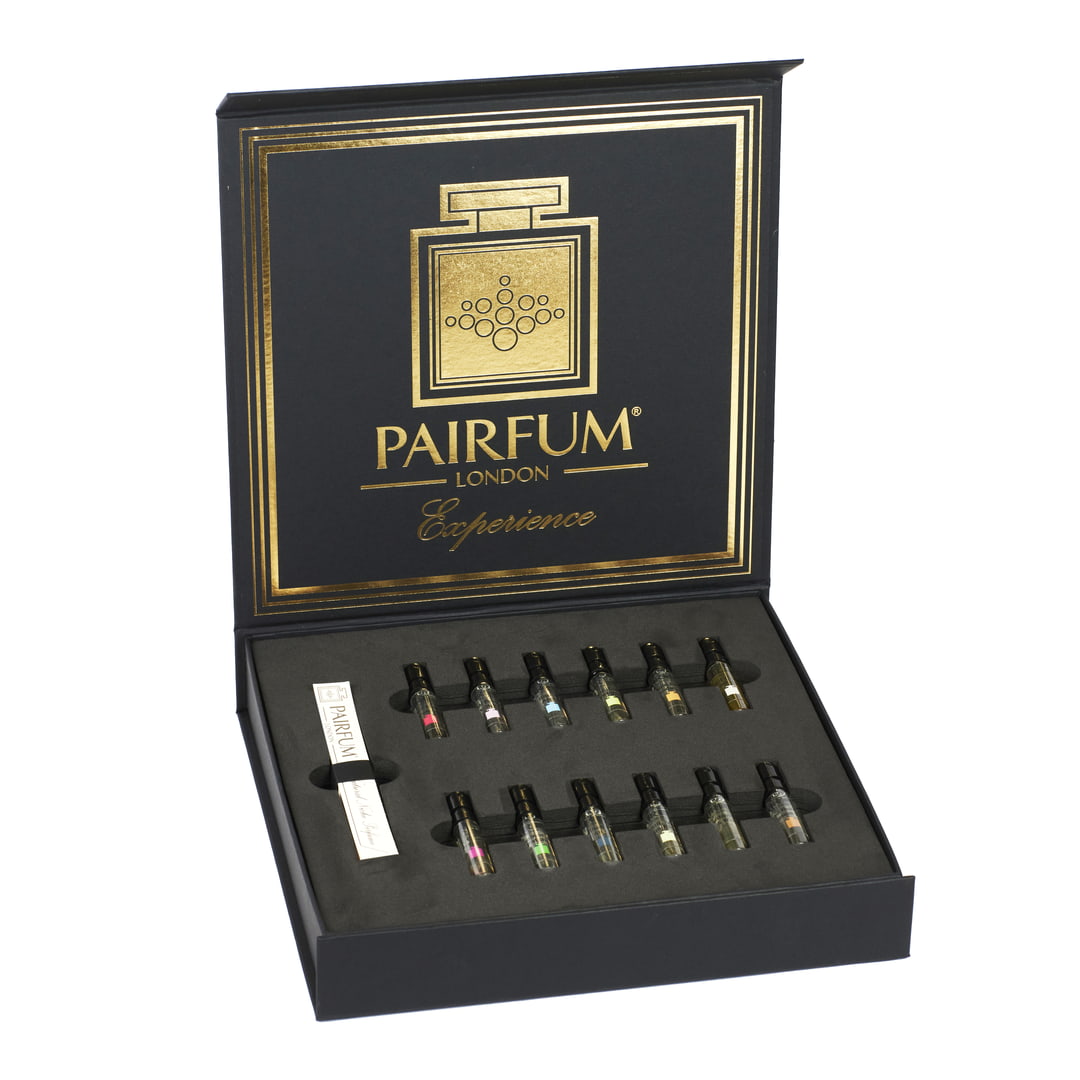
- Consider purchasing a Fragrance Library to sample various scents in your own time and environment. For example, our Perfume Experience Box includes 12 Eau de Parfum Intense vials, each containing enough perfume for two weeks of daily wear.
Valuable Insights on Perfume Concentration Standards
- The International Fragrance Association (IFRA) has established comprehensive standards for the concentration levels of pure fragrance oils in perfumes, which are adhered to by manufacturers globally.
- IFRA also regulates the use of specific ingredients and fragrance oil levels in perfumes to ensure consumer safety.
- The longevity of a fragrance can be influenced by several factors, including the concentration of perfume oils, skin type (oily or dry), activity level, skin exposure, and environmental conditions such as climate and wind.
- To maximize the lifespan of your perfumes, store them in a cool, dark, and dry environment. Notably, there is no significant difference in lifespan among the various levels of perfume.
The world of perfumery offers a diverse range of fragrance concentrations to cater to various preferences and occasions. From the opulence of Parfum to the lightness of Eau Fraiche, each level of perfume provides a unique olfactory experience.
Understanding these different levels of perfume oil concentrations allows you to choose the perfect fragrance that complements your style, personality, and needs—whether it’s for daily wear, special events, or simply to enhance your overall sense of well-being through the enchanting power of fragrance.
For more answers to frequently asked questions about perfume, feel free to visit:
- Our dedicated FAQ page on perfume
- Our Perfumery Blog & News Magazine
The post What Are The Different Levels Of Perfume Concentration? appeared first on Pairfum London.
