


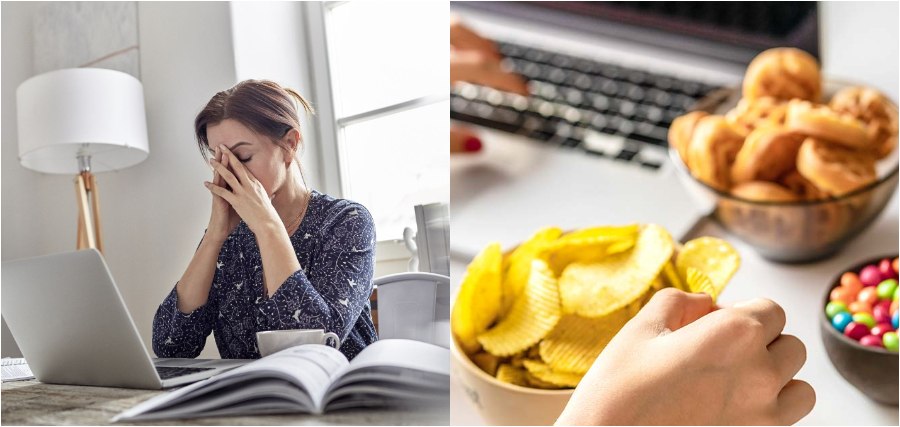
A comprehensive survey conducted in 2018 by CareerBuilder, which involved 1,117 individuals employed full-time in the United States, revealed compelling findings regarding weight gain in the workplace. The data indicated that approximately 45% of respondents reported experiencing weight gain while employed. Notably, this issue was more prevalent among female employees, where 49% acknowledged weight increases, compared to 40% of their male counterparts. Furthermore, 25% of participants confessed to gaining at least 5 pounds or more during their tenure in their current positions. A significant study from researchers at the University of Georgia highlighted that employees burdened with excessive workloads and burnout often develop negative habits, such as overeating and adopting a sedentary lifestyle. This stress often leads to unhealthy food choices, particularly those high in fat. Even with an understanding of the importance of a balanced diet and regular exercise, many feel overwhelmed and lack the time or energy to make beneficial changes. So, are you curious to discover how long working hours could be contributing to your weight gain? Let’s delve deeper:

1. Discover How Long Working Hours Drain Your Energy Levels:
If your daily routine involves leaving home at 8 am and returning by 8 pm, you’re likely sacrificing valuable energy and time that could otherwise be dedicated to physical activity. This extended period at work often results in insufficient opportunities for exercise or any form of physical activity that can help you burn off excess calories. Consequently, finding time to hit the gym becomes a daunting task, leading to a cycle where physical fitness is continuously deprioritized. The lack of energy not only affects your productivity but also contributes significantly to weight gain over time. Recognizing this relationship is crucial for anyone seeking to maintain a healthy lifestyle amidst demanding work schedules.
2. Understanding the Impact of Skipping Meals and Overeating at Night:
In the hustle to meet project deadlines and complete tasks, many employees find little time to enjoy balanced meals throughout their long workdays. This often leads to delaying or even skipping meals, which can result in heightened feelings of hunger. When the opportunity to eat finally arises—typically later in the evening—individuals often overindulge in food, primarily to compensate for the lack of nourishment throughout the day. This pattern of eating, especially if it occurs primarily at night, can contribute significantly to weight gain over a few months. Establishing a routine that incorporates healthier eating habits during the day can help mitigate these unintended consequences of long hours at work.
3. The Role of Caffeine Consumption in Your Weight Management:
The stimulating effects of caffeine from beverages like tea and coffee can serve as a temporary boost for enhancing alertness and concentration. When fatigue sets in during the afternoon, many turn to a cup of coffee for a quick pick-me-up, which may provide a momentary surge of energy. However, the reliance on multiple cups of caffeinated drinks throughout the day, often accompanied by sugary snacks, can hinder your efforts in achieving weight loss. Excessive caffeine consumption may disrupt your metabolism and lead to unhealthy eating patterns. Therefore, it’s essential to balance your caffeine intake with healthier, more sustaining options for energy to support your weight management goals. Don’t miss our guide on “7 Things To Do During Coffee Break To Boost Weight Loss.”
4. Recognizing the Influence of Co-Workers on Your Eating Habits:
The workplace environment can significantly impact your dietary choices, especially when co-workers frequently indulge in unhealthy snacks or meals. If your colleagues often share treats such as sweets, candies, or other high-calorie items, it can be challenging to resist temptation. The social aspect of sharing food can lead to unintentional overconsumption of calorie-dense snacks throughout the day. This consistent exposure to unhealthy options can contribute to weight gain if not managed properly. Creating a supportive workplace culture around healthy eating can make a substantial difference in your overall well-being and weight management efforts.
5. The Nutritional Deficiencies of Office Vending Machines and Pantry Options:
Food is a vital source of energy and nutrients, yet many office environments lack access to healthy meal choices. When your daily sustenance relies heavily on snacks from vending machines or limited pantry selections, it can be difficult to consume meals rich in essential nutrients. This deficiency can not only undermine your energy levels but also hinder your overall performance at work. To effectively manage your weight, it’s crucial to prioritize nutrient-dense meals and make informed dietary decisions. Consider exploring meal plans like those offered on the Rati Beauty diet, which provide structured guidance for healthier eating habits. Subscribing to the Rati Beauty app can help you access valuable resources for maintaining a balanced diet.
6. Navigating the Impact of Office Celebrations on Your Weight:
In many workplaces, every occasion is an opportunity for celebration, leading to frequent office parties, lunch meetings, and birthday gatherings. These events typically center around food, which can make it challenging to adhere to healthy eating practices. If you notice extra pounds creeping onto the scale, it’s important to keep track of how these social gatherings can contribute to your overall caloric intake. Being mindful of portion sizes and making healthier choices during these events can help mitigate the impact of social eating on your weight management journey.
7. Managing Work-Related Stress and Its Impact on Weight:
Long working hours often translate into chronic stress, which can follow you home and disrupt your ability to relax and unwind. This ongoing tension can lead to concerns about work-related deadlines and responsibilities, causing your body to release cortisol, a hormone linked to increased cravings for sugary and high-fat foods. This emotional eating can serve as a coping mechanism for stress relief, but it can ultimately hinder your weight management efforts. Additionally, stress can negatively affect sleep quality, and numerous studies have established a connection between sleep deprivation, weight gain, and increased abdominal fat. Prioritizing a consistent sleep schedule of at least seven hours per night is essential for overall health and effective weight management.
8. The Dangers of a Sedentary Lifestyle at Your Work Desk:
As previously noted, spending extended hours at your work desk can leave you feeling drained and lacking energy. This sedentary lifestyle is a significant risk factor for weight gain, particularly around the abdominal area. Inactivity can lead to a gradual increase in body weight, compounded by the tendency to snack mindlessly, particularly on unhealthy options. To combat this, it’s vital to incorporate movement throughout your workday, whether through short breaks or standing desks, to promote a more active lifestyle. Making small changes in your daily routine can have a cumulative effect on your weight management efforts.
In summary, it’s crucial not to let long working hours undermine your health. A multitude of factors contribute to weight gain in a high-stress work environment, and it’s important to recognize these influences. While your busy schedule may seem like the only barrier to regular exercise, emotional eating and other stress-related habits can also play significant roles. If you’re concerned about your waistline and unsure how to navigate weight loss while managing a demanding job, consult the Rati Beauty diet for effective strategies tailored to your lifestyle.
Explore “7 Things To Do During Coffee Break To Boost Weight Loss”
Discover “6 Secrets To Losing Weight without Feeling Miserable”
!function(f,b,e,v,n,t,s)
{if(f.fbq)return;n=f.fbq=function(){n.callMethod?
n.callMethod.apply(n,arguments):n.queue.push(arguments)};
if(!f._fbq)f._fbq=n;n.push=n;n.loaded=!0;n.version=’2.0′;
n.queue=[];t=b.createElement(e);t.async=!0;
t.src=v;s=b.getElementsByTagName(e)[0];
s.parentNode.insertBefore(t,s)}(window, document,’script’,
‘https://connect.facebook.net/en_US/fbevents.js’);
fbq(‘init’, ‘175059706376017’);
fbq(‘track’, ‘PageView’);
