


[ad_1]
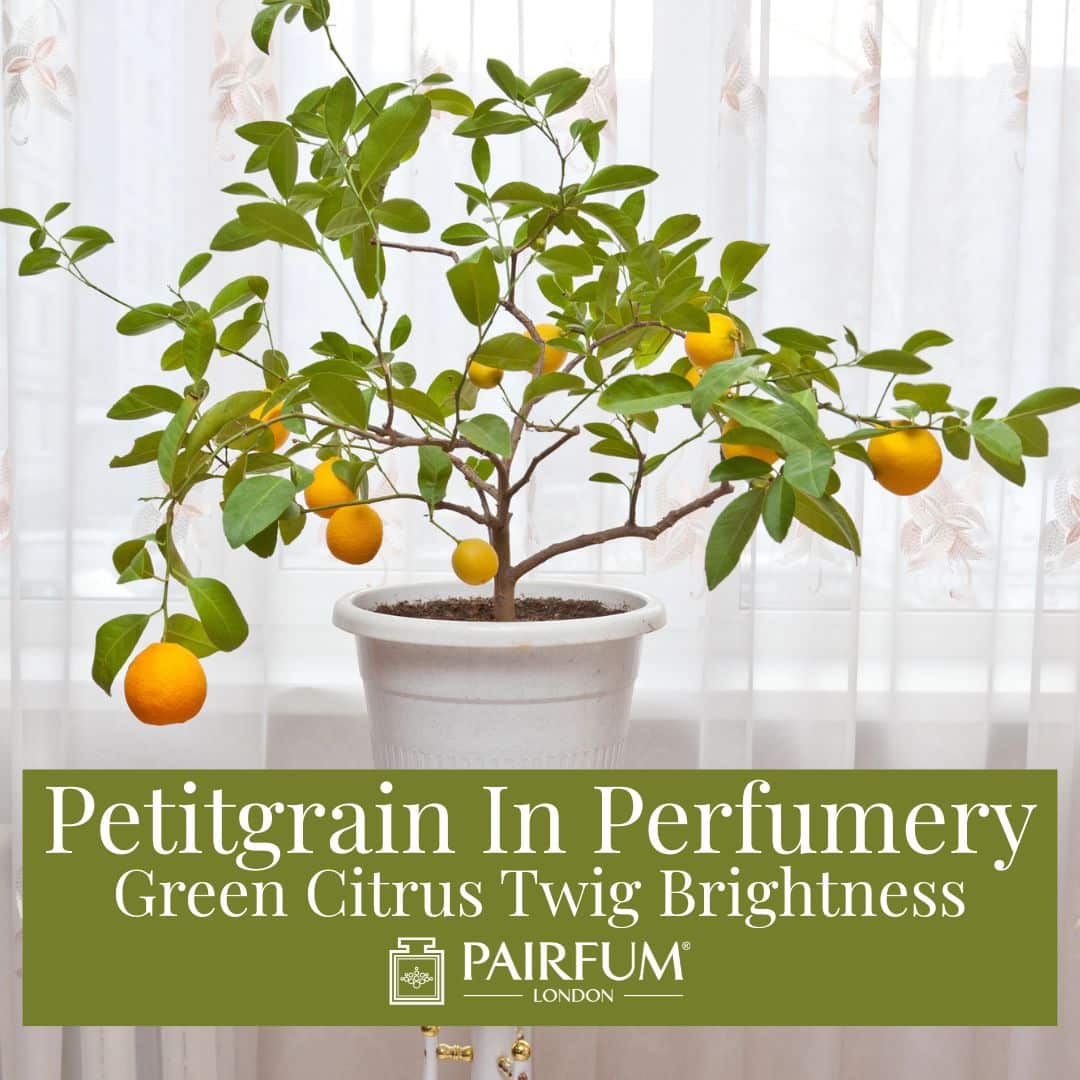
Petitgrain is a unique essential oil derived from the leaves and twigs of the bitter orange tree. I believe Petitgrain is a versatile fragrance ingredient because it offers a refreshing, woody, and slightly floral aroma that enhances various cosmetic products. This essential oil is widely recognized for its soothing, antibacterial, and anti-inflammatory properties, making it a valuable asset in the cosmetics and beauty industry.
At CosmeticsUrgeryNews, we specialize in cosmetics, beauty, body care, hair care, and perfume, helping consumers achieve a harmonious blend of wellness and beauty. Our platform educates users about essential oils like Petitgrain, illustrating their benefits in skincare and aromatherapy. We monetize through affiliate partnerships, product reviews, and advertising, ensuring our audience accesses valuable insights and premium products.
This guide covers the following key attributes of Petitgrain:
- The origin and history of Petitgrain in perfumery
- Extraction and crafting methods of Petitgrain essential oil
- Skincare applications and benefits
- Aromatherapy uses and scientific insights
- Popular fragrances featuring Petitgrain
What Makes Petitgrain Special?
Petitgrain is derived from the green parts of the bitter orange tree, specifically the leaves and twigs. This unique extraction method gives it a dry, zesty edge that distinguishes it from other citrus oils. Its bouquet features a soft citrus tone complemented by a green backbone, making it lighter than other orange ingredients.
During winter and early spring, Petitgrain becomes especially desirable. It provides a crisp lift to fragrances that may otherwise feel too rich or sweet during colder months. With high levels of linalyl acetate, Petitgrain possesses soothing qualities that balance sharp citrus notes with soft herbs.
What is the Origin and History of Petitgrain in Perfume?
The bitter orange tree is a treasure trove for perfumers, yielding not only Petitgrain but also neroli from the flowers and orange oil from the peel. Historically, Petitgrain was used in early colognes for its uplifting and herbal qualities, balancing sharper ingredients like rosemary and lavender.
The name “Petitgrain” translates to “little grain,” referring to the tiny, unripened fruits once used in extraction. As perfume styles evolved, Petitgrain maintained its role as a quiet yet essential component, enhancing both bright masculine colognes and softer blends.
How is Petitgrain Extracted and Crafted?
Petitgrain essential oil is produced through steam distillation. The leaves and twigs are gently heated to release fragrant vapors, which are then cooled to collect the oil. This method results in a drier, greener aroma that sets Petitgrain apart from sweeter orange oils.
Geography significantly influences the scent profile of Petitgrain. The most common variety, Petitgrain Paraguay, is known for its robust and woody scent. In contrast, Petitgrain Bigarade, sourced from North Africa or southern Europe, is highly regarded for its refined floral notes, making it a favorite in high-end perfumery.
What are the Skincare and Practical Applications of Petitgrain?
Petitgrain is not just a fragrance; it also offers skincare benefits. It is particularly effective for oily skin and greasy hair, helping to balance sebum production and tone the complexion. Many skincare products incorporate Petitgrain for its antibacterial and anti-inflammatory properties.
Users often add a drop of organic Petitgrain oil to their daily skincare routine to target imperfections. Whether seeking a small 10 ml bottle or bulk fragrance oils, the versatility of Petitgrain is unmatched in both skincare and aromatherapy.
How Does Petitgrain Function in Aromatherapy?
Petitgrain essential oil is highly valued in aromatherapy for its calming effects. It shares similar chemical components with lavender, making it a popular choice for reducing stress and mental fatigue. When blended with a carrier oil, it can be applied during massages, allowing its herbal, woody scent to provide a grounding experience.
Historically, Petitgrain has been used in traditional practices across Haiti and China to soothe the nervous system. Its mild sedative properties make it suitable for individuals experiencing shock, anger, or high-pressure situations.
Why Does Petitgrain Work Well for Fresh Winter and Early Spring Perfumes?
As the holiday season ends and January begins, many find rich fragrances overwhelming. This is where Petitgrain excels, providing a green touch and bright start without veering into overly floral or sweet territory. Its bouquet complements resinous or balsamic notes, enhancing wearability in cooler weather.
Petitgrain’s clean edge appeals to those who prefer steady fragrances over fanciful ones. It evolves beautifully on the skin, transitioning from a sharp green opening to a soft, woody finish.
Where is Petitgrain Found in Popular Fragrances?
Petitgrain plays a crucial supporting role in many citrus-style perfumes. It often appears alongside other herbal ingredients, including:
- Lavender essential oil – for added sharpness and freshness
- Rosemary essential oil – for a cleaner, greener balance
- Vetiver – to enhance the woody aspects of the blend
- Neroli essential oil – providing a drier, less floral finish
Together, these oils create classic and timeless aromas. Petitgrain is particularly favored in niche perfumery, where its natural character contributes to a balanced and calming scent profile.
