


What are the world’s most precious (and costly) perfume ingredients? In the realm of fine fragrance, certain scented materials stand out not only for their exquisite aromas but also for their eye-watering price tags. These olfactory treasures, prized by perfumers for their unique characteristics, can elevate a scent from pleasant to extraordinary. Let’s embark on a fragrant journey through some of the world’s most precious (and therefore expensive) perfumery ingredients, exploring why they command such astronomical prices and what they bring to the olfactory palette…
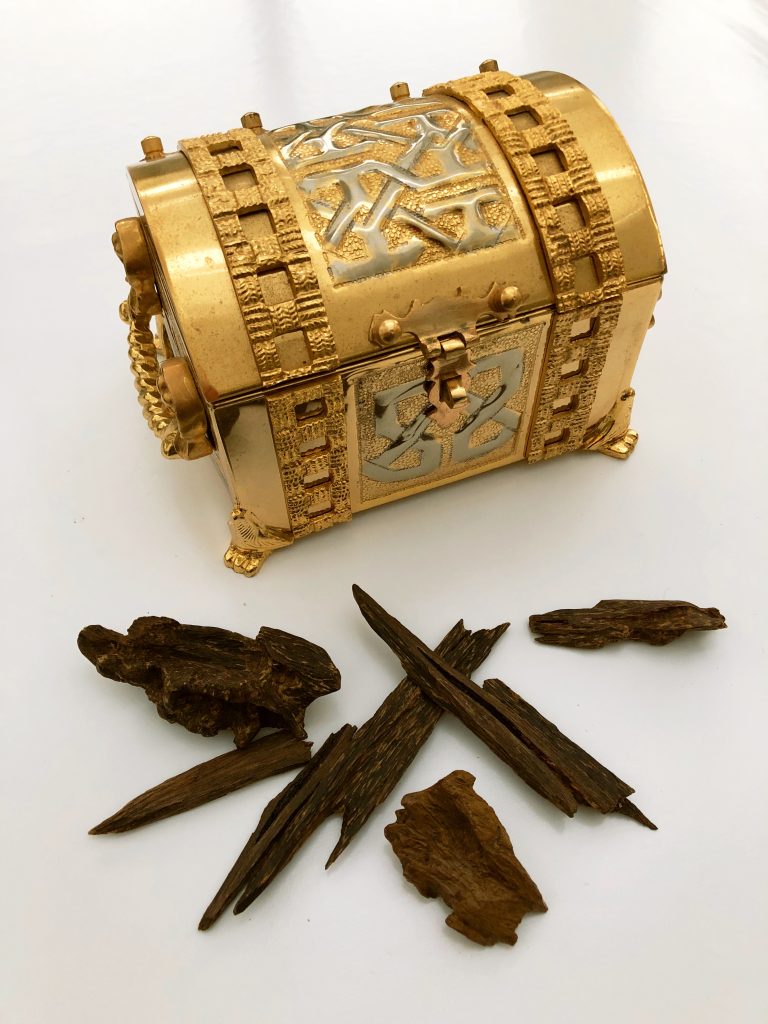
Discover Oudh: The Coveted ‘Black Gold’ in Luxury Perfumes
At the pinnacle of precious ingredients sits oudh, (frequently also spelled ‘oud’), often referred to as ‘liquid gold’ or ‘black gold’ in the perfume world. This extraordinary ingredient is derived from the resinous wood of the Aquilaria tree, and its rarity results in staggering prices that can reach up to £20,000 per kilogram. But what makes oudh so valuable? The answer lies in its rarity and the intricate process of its formation. Oudh is born when the Aquilaria tree is infected with a specific mould. As a defense mechanism, the tree produces a dark, fragrant resin that is prized for its complex, woody aroma laced with hints of leather and smoke. However, this phenomenon occurs in only approximately 2% of wild Aquilaria trees, rendering natural oud exceptionally scarce. Perfumers cherish oudh for its ability to add depth and longevity to fragrances, creating an air of mystery and opulence, often described as warm, rich, and slightly animalic with a touch of sweetness that develops beautifully over time.
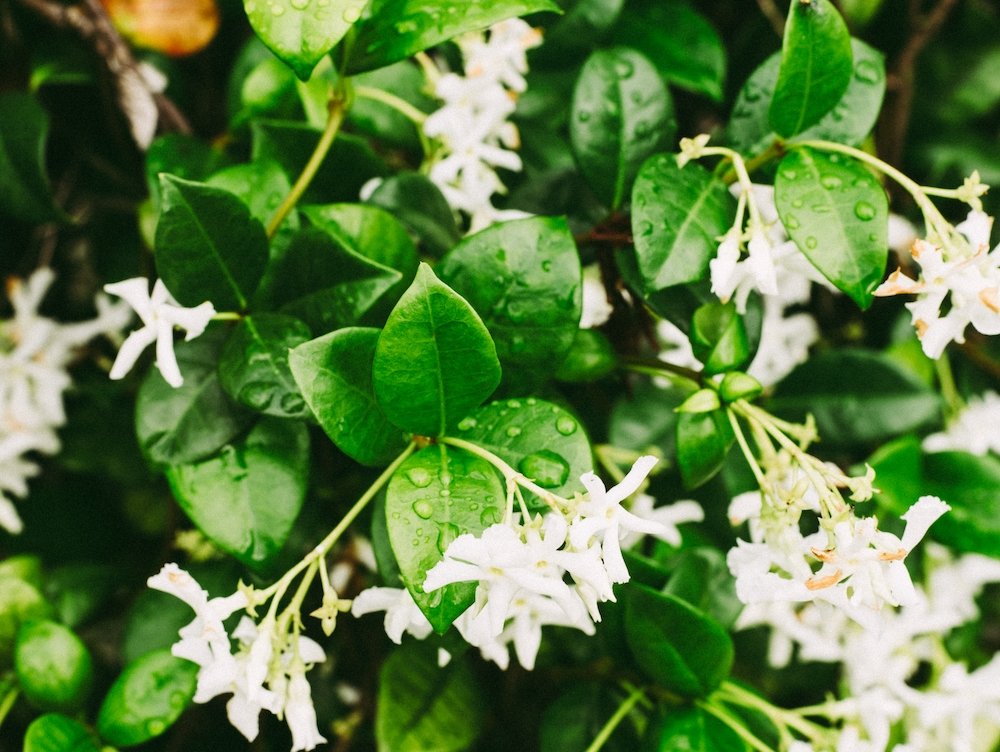
Explore Jasmine: The Luxurious ‘Queen of the Night’ Essence
Jasmine, often called the ‘queen of the night’, is another extraordinarily expensive ingredient, with prices for this precious material soaring up to £5,000 per kilogram for the highest quality absolute. What contributes to this hefty price tag? The sheer volume of flowers required and the labor-intensive harvesting process play significant roles. It takes approximately 8,000 delicate jasmine blossoms to yield just 1/25 ounce of absolute oil. Remarkably, these fragrant flowers must be hand-picked at night when their scent is most potent, and immediate processing is essential to preserve their exquisite fragrance. Perfumers adore jasmine for its intoxicating, sweet floral scent that is beautifully complemented by subtle green and fruity undertones. This ingredient adds a rich, sensual quality to fragrances, often serving as a heart note. The aroma of jasmine is complex, featuring facets of honey, tea, and even a slight animalic quality that enhances depth and richness in various compositions.

Uncover the Allure of Bulgarian Rose: The ‘Queen of Flowers’ in Fragrance
Rose, particularly Bulgarian rose, is another costly ingredient, with prices hovering around £7,000 per kilogram. The expense stems from the labor-intensive harvesting process and the vast quantity of petals required; it takes an astonishing 10,000 pounds of rose petals to distill just one pound of rose oil. The flowers must be hand-picked at dawn when their oil content is at its peak, and the entire harvest must be completed within a short time frame to ensure quality. Perfumers treasure rose for its versatility and complexity, as Bulgarian rose oil presents a deep, rich floral scent with a honey-like sweetness and subtle spicy undertones. This exquisite ingredient adds a luxurious, romantic quality to fragrances and blends harmoniously with a wide range of other notes, enhancing the overall olfactory experience.

Experience Orris: The Rare ‘Truffle of Perfumery’
Orris, derived from the roots of the iris flower, is often referred to as the ‘truffle of perfumery’ due to its rarity and staggering cost, which can reach up to £75,000 per kilogram. The astronomical price is attributed to the extensive and labor-intensive production process. After harvesting, the iris roots must be meticulously peeled by hand and left to dry for about three years. During this lengthy maturation period, the roots develop their characteristic scent; only then can they be ground into powder or distilled into an essential oil. Perfumers highly value orris for its unique, powdery floral scent enriched with woody and violet-like undertones. It adds a soft, elegant touch to fragrances and serves as an excellent fixative, enhancing the longevity of other notes within a composition.

Unearth Ambergris: The Ocean’s Precious Fragrance Treasure
Perhaps the most intriguing of all expensive perfume ingredients is ambergris, which can cost up to £35,000 per kilogram. This rare, waxy substance is produced in the digestive system of sperm whales and is sometimes found washed up on beaches, making it a true natural marvel. The scarcity of ambergris, coupled with ethical considerations surrounding its sourcing, has made it one of the most coveted ingredients in the world of perfumery. Although synthetic alternatives are now widely available, natural ambergris continues to be highly prized for its unique properties. Perfumers cherish ambergris for its ability to fix and enhance other scents. It possesses a complex aroma often described as marine, animalic, and sweet, featuring hints of tobacco. Ambergris enriches fragrances with depth, radiance, and longevity, resulting in a more rounded and sophisticated scent profile.
These precious ingredients represent the pinnacle of natural perfumery. Their rarity, the labour-intensive processes involved in their production, and their unique olfactory properties justify their astronomical prices. While synthetic alternatives exist for many of these ingredients, true connoisseurs argue that nothing can quite replicate the complexity and depth of the natural materials – though many noses would counter that the best modern fragrances use both high-quality naturals and synthetic aroma molecules, which can add even greater nuance and longevity to those treasured (and hugely expensive) naturally-produced ingredients.
In the end, while we adore perfumes across all price points—from the accessible to the utterly extravagant—there’s something truly enchanting about those rare ingredients that make us stop and appreciate the artistry behind them. Sometimes, it feels like we can practically smell the pound signs in these exquisite fragrances, reminding us that in the world of scent, luxury has its own unique allure. So, whether you’re indulging in a high-end masterpiece or a delightful everyday spritz, every scent can tell a story worth exploring.
Written by Suzy Nightingale
