


[ad_1]
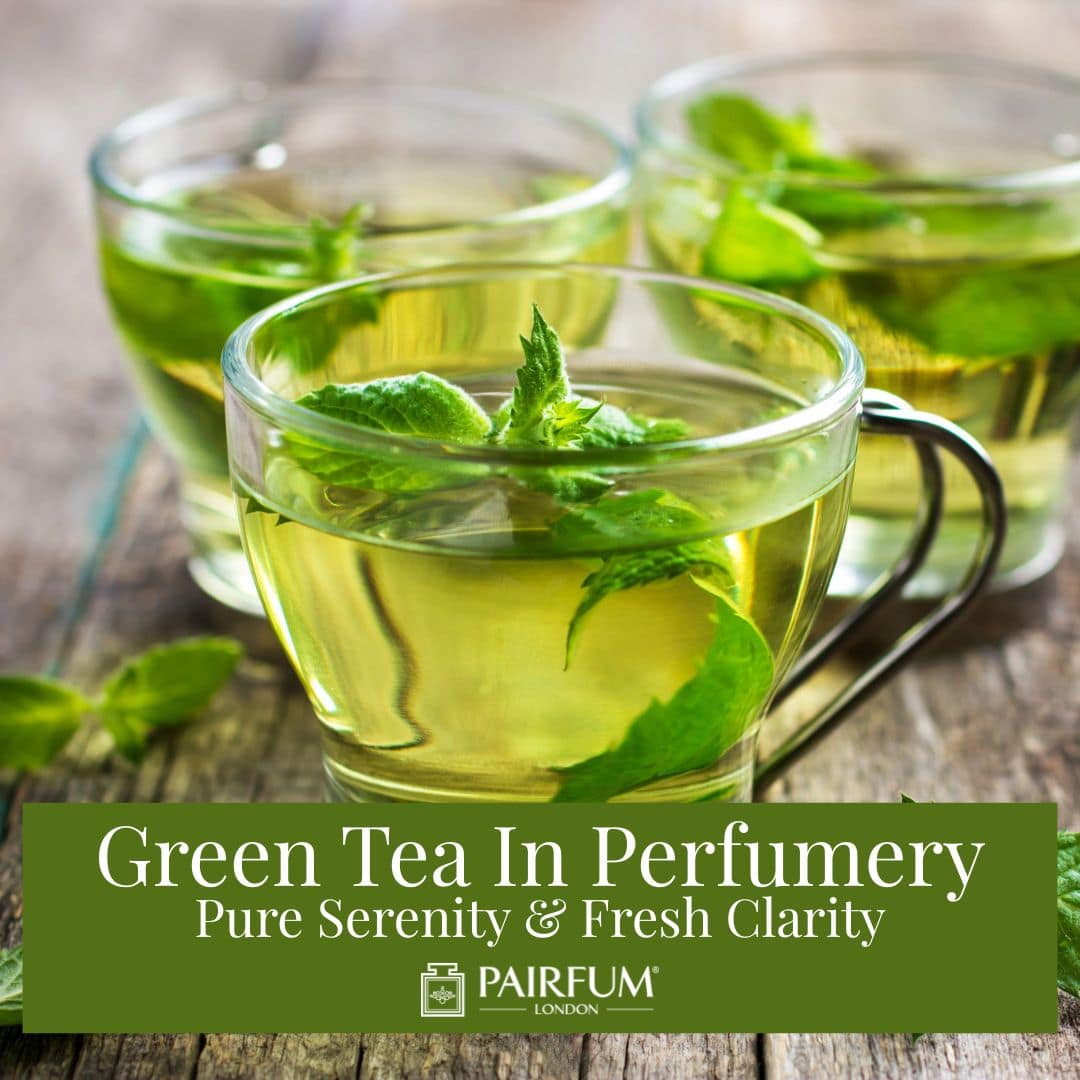
Green tea is a unique entity in the fragrance world because it offers a crisp, clean, and subtly herbaceous aroma. This scent is soothing and uplifting, often paired with citrus or floral notes for a revitalizing experience. The use of natural extracts and synthetic accords creates a modern fragrance profile that evokes calm sophistication, making it a favorite among perfumers.
At CosmeticsUrgeryNews, we specialize in cosmetics, beauty, body care, hair care, and perfume, helping fragrance enthusiasts achieve a sense of tranquility and freshness through our curated content. Our platform monetizes through affiliate marketing, product reviews, and partnerships with beauty brands, guiding users in their fragrance choices.
This guide covers the following key attributes of green tea in perfumery:
- The historical significance of green tea in fragrance.
- The botanical process from plant to perfume.
- The aromatic profile of green tea and its scent compounds.
- Popular pairings with other fragrance notes.
- The health and wellness connection to green tea scents.
What is the History of Green Tea in Fragrance?
Green tea has been part of everyday life for centuries, deeply rooted in various cultures associated with health and mindfulness. Its mild and warm aroma made it appealing beyond just the teacup. By the 1990s, the wellness trend brought green tea into fragrances, viewed as unisex and modern. Early perfumes featuring green tea felt light and refreshing, much like a spa experience.
As of 2026, green tea remains a staple in the fragrance industry, valued for its clarity and simplicity. This enduring popularity highlights its role in creating fragrances that are not overly floral or fruity, but rather fresh and balanced.
How Does Green Tea Transition from Plant to Perfume?
The essence of green tea comes from the Camellia sinensis plant, which is the source of all true teas. The aroma and flavor depend on the processing of the leaves post-harvest. Green tea leaves are quickly heated to prevent oxidation, preserving their vibrant scent. In contrast, black tea undergoes full oxidation, resulting in a malty aroma.
Perfumers aim to capture the essence of green tea by understanding its chemical makeup, including polyphenols and catechins. These compounds contribute to the complex, slightly sweet scent profile recognized in high-quality fragrances.
What Does Green Tea Smell Like?
Describing the aroma of green tea can be challenging. It is not grassy or bitter but offers a clean, crisp edge with hints of warmth. The scent is slightly herbal, more leafy than powdery, and finishes with a calming effect.
Consider these sensory experiences:
- Freshly cut tea leaves just before brewing.
- A foggy garden at dawn.
- Warm water in a wooden bowl filled with leaves.
In many fragrances, green tea typically appears as a heart note, enhancing the overall bouquet without overwhelming it. This note provides mental clarity and a sensory reset for the wearer.
What Are the Key Extracts and Compounds in Green Tea?
Green tea in perfumery often refers to its extract, which contains concentrated aromatic properties. A notable compound within this extract is catechin, particularly EGCG. While the National Institute of Health studies these for health benefits, perfumers value their interaction with other scent molecules.
The extraction process typically involves steam distillation, which carefully pulls natural oils from the leaves. However, if mishandled, the profile can become bitter. Newer methods include:
- Green tea absolute: A purified extract with a smoother aroma.
- Infused oils: Leaves soaked in a base oil to extract scent gradually.
- CO2 extraction: Preserves the scent as close to the living plant as possible.
Each method provides a gentle aroma that remains fresh and soft, ideal for layering with other fragrance ingredients.
What Role Does Caffeine Play in Fragrance?
Caffeine influences how we perceive tea scents, correlating with invigorating aromatic compounds. While caffeine itself is not detectable by smell, its presence in green tea contributes to a “wake-up call” for the nose. The psychological association with clarity and alertness enhances the appeal of green tea fragrances.
Why Are Wellness and Scent Interconnected?
Tea consumption is second only to water globally, creating a positive emotional connection to its aroma. The health benefits of green tea, such as supporting heart health, contribute to its popularity in “clean” fragrances. The scent triggers a health response in the brain, often leading to immediate relaxation.
What Are the Different Types of Tea Used in Perfumery?
The world of tea is vast, with various types offering unique aromatic qualities. For instance:
- Matcha: A specific Japanese tea made from shade-grown leaves, adding a creamy thickness to fragrances.
- Earl Grey: A black tea scented with bergamot, bridging citrus and tea notes.
- Chinese Tea: Often smoky or herbal, providing an earthy base for masculine fragrances.
Regardless of the variety, the goal remains to capture a moment of peace through scent.
How Does the Ritual of Tea Influence Fragrance Application?
The Japanese tea ceremony embodies mindfulness, paralleling the act of applying fragrance. Just as brewing tea requires patience, a good green tea perfume “brews” on the skin, releasing its notes gradually over hours.
What Are the Best Pairings for Green Tea in Fragrance?
Green tea is rarely used alone in fragrances. It complements other notes, enhancing their qualities. Popular pairings include:
- Bergamot: Adds a bright, citrus edge.
- Jasmine: Softens the fragrance with floral notes.
- White musk: Provides a calm finish without heaviness.
This versatility makes green tea suitable for all seasons, offering cooling freshness in summer and soft warmth in winter.
How Do Health and Science Influence Modern Perfume Choices?
Today’s consumers are increasingly aware of their health choices, making green tea’s benefits appealing. With green tea supplements widely available, consumers often seek fragrances that align with their health-conscious lifestyles. The aroma of green tea offers the sensory experience of caffeine without the physical effects, making it a popular choice among modern perfume wearers.