

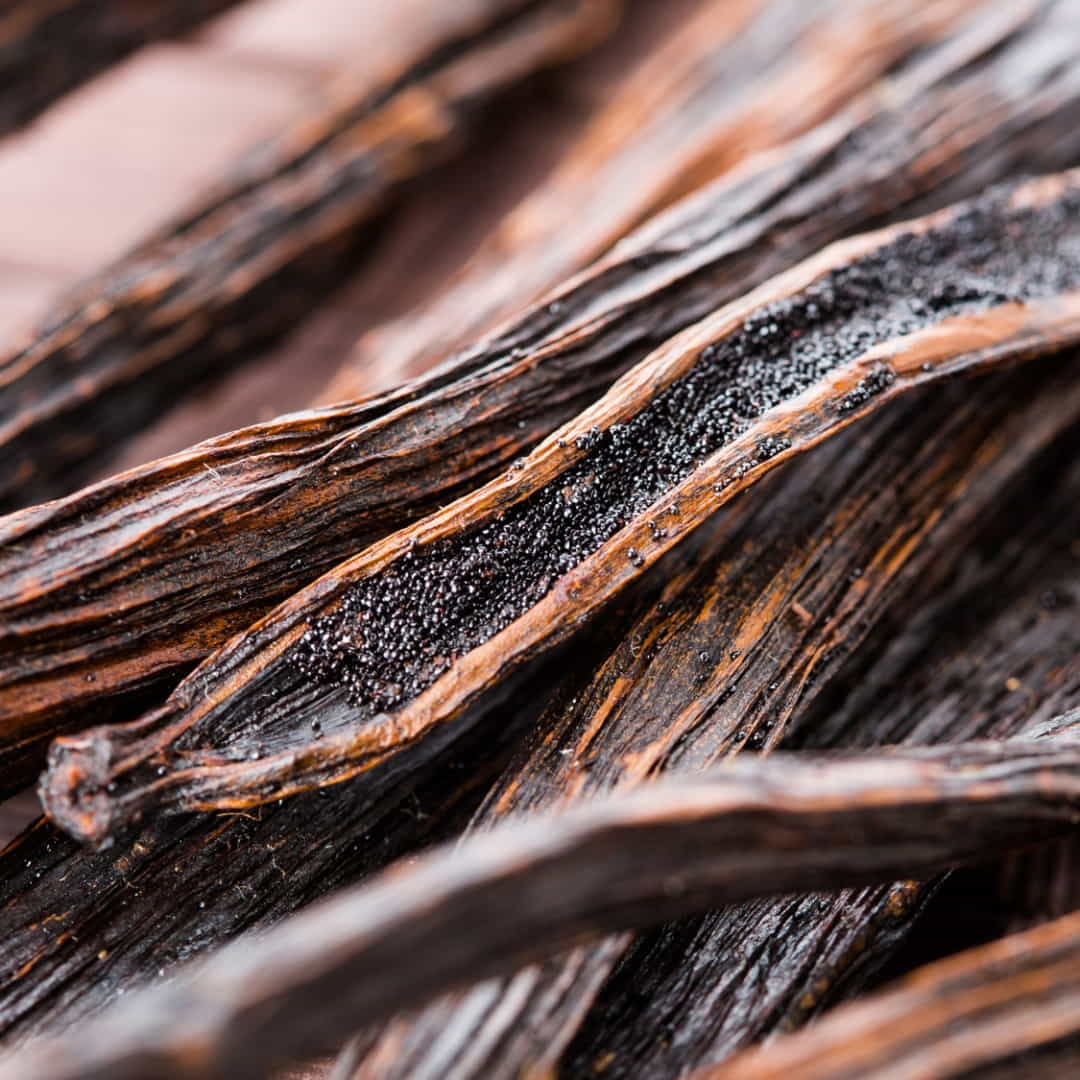
Unveiling the Allure of Vanilla in Perfume
There is something truly enchanting about Vanilla in Perfume. This exquisite ingredient has been cherished in the world of flavors and fragrances for centuries, captivating our senses with its delightful sweetness, comforting warmth, intricate depth, and subtle seduction. Vanilla’s rich and diverse history continues to make it a cornerstone in contemporary perfumery. In this comprehensive guide, we delve into the fascinating world of this captivating aroma, exploring its irresistible appeal, multifaceted versatility, and significant impact on the art of fragrance creation.
As a distinguished boutique perfumery, Pairfum London proudly celebrates the mesmerizing qualities of vanilla in perfume, showcasing its unmatched ability to craft seductive, soothing, and evocative olfactory experiences.
Join us on an aromatic journey through the enchanting realm of vanilla-infused fragrances, where you can discover how to harness the power of this sweet, sensual aroma to create unforgettable masterpieces that resonate with your unique essence.

The Rich Historical Significance of Vanilla in Perfume
Vanilla, derived from the beans of the Vanilla planifolia orchid, has a storied legacy in the fragrance industry, deeply rooted in cultural significance. Its journey in perfumery began with the ancient Aztec civilization, where it was famously blended with cacao to create aromatic elixirs. The introduction of vanilla to Europe by Spanish explorers in the 16th century marked the beginning of its rise to prominence. By the 19th century, vanilla had firmly established itself as a staple in perfumery, celebrated for its remarkable ability to harmoniously blend with other ingredients while enhancing the longevity and richness of any scent.
Exploring the Diverse Varieties of Vanilla
- Vanilla Planifolia: Commonly referred to as Bourbon vanilla, this variety is the most widely used in perfumery. Originating from Madagascar, it boasts a rich and creamy aroma that is both comforting and indulgent.
- Vanilla Tahitensis: Hailing from Tahiti, this variant is known for its floral and fruity characteristics, often possessing a subtle anise-like undertone that adds a unique twist to fragrance compositions.
- Vanilla Pompona: Also known as West Indian vanilla, this less common type offers a spicy, woody fragrance that can add depth and complexity to various olfactory blends.
Contrasting Natural and Synthetic Vanilla in Fragrance Design
Natural vanilla is a prized ingredient extracted from the beans of the vanilla orchid, a process that is both intricate and labor-intensive. It involves hand-pollination, meticulous harvesting, and careful curing, which all contribute to its premium price point. On the other hand, synthetic vanilla, known as vanillin, replicates the primary aromatic compound found in natural vanilla and is produced at a fraction of the cost. While many purists advocate for the rich complexity of natural vanilla, high-quality synthetic vanillin has gained popularity in perfumery due to its consistency, affordability, and ability to enhance a wide array of fragrance compositions.
Innovative Extraction Techniques for Natural Vanilla
The art of extracting natural vanilla for use in perfumes encompasses several sophisticated methods:
- Solvent Extraction: This technique employs liquid solvents to extract the fragrant compounds from vanilla beans, yielding a resinoid or absolute. Vanilla absolute is highly concentrated and esteemed for its deep, rich aroma.
- CO2 Extraction: Utilizing supercritical carbon dioxide, this modern extraction method produces an exceptionally pure and clean vanilla extract, retaining the true essence of the vanilla bean.
- Enfleurage: An ancient and labor-intensive method, enfleurage involves placing vanilla beans in fat to absorb their fragrance. While it is rarely used today due to its cost and complexity, it remains a fascinating technique in the history of fragrance extraction.

A Comprehensive Overview of Vanilla’s Olfactory Profile
The charm of vanilla lies in its remarkable versatility as a fragrance ingredient. This complex compound can evoke a wide spectrum of aromatic qualities, ranging from delicate and sweet to rich and smoky. This adaptability renders it almost essential in the intricate nuances of modern perfumery.
Characterized predominantly by its sweet, creamy, and warm scent, vanilla often elicits feelings of comfort and nostalgia. Depending on its origin and extraction method, the aroma can also showcase subtle nuances of smokiness, spiciness, and even animalic or floral notes.
Vanilla serves to enhance depth and warmth in fragrances, making it a favored choice among both gourmand and oriental perfume categories. Its velvety sweetness imparts a calming and soothing quality to aromatic compositions. When expertly blended with other fragrance notes, vanilla smooths out harsh edges, enriching the overall scent profile. Combined with spicy, woody, or floral notes, its gentle touch envelops the wearer in a comforting and inviting aura.
Exploring Vanilla’s Transformative Qualities in Fragrance
The multifaceted nature of vanilla lends an air of intrigue and depth to any fragrance composition. Its subtle sweetness, coupled with deep, resinous, and smoky undertones, allows vanilla to seamlessly transition between the background and the forefront of a fragrance’s structure. This transformative ability ensures that vanilla remains a beloved and vital component within the dynamic landscape of modern perfumery.
The Captivating Role of Vanilla in Oriental Perfumes
Oriental perfumes, known for their rich and exotic notes, often incorporate the seductive power of vanilla to create tantalizing and sensual fragrances. By blending vanilla’s gentle sweetness with opulent and spicy ingredients like amber, resins, and precious woods, these compositions exude an intoxicating allure that resonates with the mystique of Eastern cultures. The presence of vanilla weaves a delicate thread of sensuality through these bold and captivating fragrances, making them irresistible.
Signature Fragrances Celebrating Vanilla
- Guerlain Shalimar: Launched in 1925, this iconic oriental fragrance artfully blends vanilla with bergamot, iris, and incense, creating a timeless and sensual scent that has captivated generations.
- Chanel No. 5 (1921): While primarily celebrated for its aldehydic floral character, Chanel No. 5 subtly incorporates vanilla in its base notes, resulting in a creamy undertone that enhances its complexity and allure.
- Estée Lauder Youth-Dew (1953): One of the pioneering oriental fragrances for women, Youth-Dew harmoniously combines vanilla with spices, amber, and patchouli, crafting a rich and opulent scent.
- Yves Saint Laurent Opium (1977): This audacious oriental fragrance features vanilla as a key ingredient, blending it with spices, florals, and resins to create a powerful and exotic aroma.
- Dior Hypnotic Poison (1998): A modern classic, Hypnotic Poison intertwines vanilla with almond, jasmine, and musk, resulting in a bewitching and intoxicating fragrance that is both sweet and sensual.
- Lancôme Trésor (1990): Renowned for its romantic and elegant character, Trésor incorporates vanilla in its base notes, complemented by rose, apricot blossom, and peach, yielding a soft and enveloping scent.
- Tom Ford Tobacco Vanille: A contemporary classic, this fragrance artfully blends vanilla with tobacco, spices, and cacao, creating a luxurious gourmand experience.
- Chanel Allure: This sophisticated fragrance features vanilla alongside notes of mandarin, peach, and rose, offering a delicate yet luxurious scent that leaves a lasting impression.
The Essential Role of Vanilla in Gourmand Fragrances
Vanilla plays a critical role in the realm of gourmand fragrances, a category characterized by scents that evoke delectable food and indulgent treats. These fragrances are marked by their sweet, often dessert-like qualities, conjuring a sense of comfort and pleasure.
In gourmand compositions

Sienna Blake is a licensed aesthetic consultant and beauty writer specializing in cosmetic surgery advancements and non-invasive treatments. With a background in dermatology and over eight years of industry experience, Sienna is passionate about helping people achieve confidence through informed beauty decisions. She holds a Bachelor's degree in Health Sciences and regularly collaborates with top plastic surgeons to stay at the forefront of aesthetic innovations. Outside of her work, Sienna enjoys traveling, skincare research, and practicing Pilates.
