


Experiencing occasional blushing due to embarrassment or after a vigorous workout is completely normal, but persistent facial redness can be incredibly frustrating and may signal a condition known as rosacea. This condition can be exacerbated during the colder months, making it a challenging time for those affected. As winter arrives, the combination of chilly temperatures and harsh winds often leads to increased skin sensitivity, resulting in a frustrating dual battle against the elements.
While the image of Rudolph and Santa with their rosy noses may be endearing, individuals struggling with rosacea often find their facial redness anything but charming. As winter sets in, the unpredictable nature of flare-ups can feel overwhelming, leaving many seeking relief from this persistent condition. Understanding how to manage rosacea during the winter season is crucial for maintaining a calm and clear complexion.
The frosty temperatures can lead to an uptick in rosacea symptoms, as the cold air and indoor heating contribute to skin irritation. However, there’s no need to panic! We’ve compiled effective strategies for managing rosacea throughout the winter months. Embracing a tailored winter skincare routine can pave the way for achieving calmer, healthier skin despite the cold.
Comprehending the Impact of Cold Weather on Rosacea
Do you notice your face turning red or flushed easily, and then remaining that way for an extended period? While this can happen after exercise or enjoying a drink, ongoing redness, especially when combined with visible blood vessels, acne-like bumps, or a family history of skin issues, could indicate the presence of rosacea. Recognizing the symptoms early can help manage the condition effectively.
Rosacea is a common yet chronic skin condition that predominantly affects the nose, cheeks, forehead, and chin. Affected areas may appear thickened or swollen and can develop small, red, pus-filled bumps that can easily be mistaken for acne, eczema, or allergic reactions. Understanding the nuances of this condition is essential for effective treatment.
According to the National Rosacea Society, it’s estimated that around 16 million individuals in the U.S., primarily middle-aged women, suffer from rosacea. This condition is often characterized by periods of flare-ups and remissions. While the statistics may be disheartening, it’s essential to explore the various types of rosacea to reclaim control over your skin.
There are four distinct types of rosacea: erythematotelangiectatic (vascular), papulopustular (inflammatory), phymatous, and ocular. Understanding the characteristics of each type is instrumental in determining the most effective management strategies.
Erythematotelangiectatic Rosacea: This type is characterized by persistent skin redness, flushing, and visible blood vessels. Without proper treatment, the redness may become more pronounced, spreading over larger areas of skin and potentially leading to permanent discoloration.
Papulopustular Rosacea: This variant is associated with “whitehead” pustules—pus-filled blemishes—and red, swollen bumps. Typically appearing on the cheeks, chin, and forehead, these symptoms are often mistaken for acne, making accurate diagnosis crucial.
Phymatous Rosacea: This type leads to thickening and scarring of the skin, resulting in a bumpy, swollen appearance that may also present discoloration.
Ocular Rosacea: This form impacts the eyes and eyelids, causing redness, irritation, and dryness. Individuals may experience sensitive eyes, and cysts can develop on the eyelids, necessitating specific care.
Despite the various forms and complexities of rosacea, the precise cause of this inflammatory skin condition remains unclear. An intricate interplay of genetic, vascular, immune, and environmental factors likely contributes to its development. Common triggers and symptoms of rosacea include:
#1. Immune responses: An inflammatory response may play a significant role in the onset of rosacea, potentially linked to a disorder affecting the neurovascular system (nerves, veins, arteries).
#3. Genetic predisposition: A family history of rosacea can increase the likelihood of developing the condition, meaning if either parent has it, you may inherit a genetic susceptibility.
#4. Environmental factors: Exposure to UV radiation from the sun, extreme heat, and specific skin microbes can contribute to rosacea flare-ups. For instance, skin mites known as Demodex tend to be more prevalent in individuals with rosacea, potentially exacerbating symptoms.
#5. Skin sensitivity: Those with rosacea may exhibit heightened skin sensitivity. Individuals with fair skin, who easily blush or are of northern European descent, may be at an increased risk for developing this skin condition.
Returning to the dual struggle of managing rosacea and winter weather, it can be incredibly frustrating to cope with this condition while also battling the elements. Understanding how cold weather affects rosacea is key to developing effective management strategies:
Dryness: The lack of humidity during winter can severely dry out the skin, leading to tightness and itchiness. Cold, dry air can dehydrate the skin, increasing its vulnerability to irritation and inflammation.
Temperature changes: As winter temperatures drop, the chilly winds can strip the skin of its moisture, while transitioning from cold outdoor air to warm indoor environments can trigger redness and flushing due to vasodilation.
Indoor heating: While cozying up indoors, artificial heating can lead to further skin dehydration. The warmth from heaters can exacerbate redness, irritation, and inflammation in sensitive skin.
Holiday indulgences: Festive foods and beverages, particularly spicy dishes and alcohol, can trigger rosacea flare-ups, compounding the challenges of managing this condition during the holiday season.
Recognizing Cold Weather Triggers for Rosacea
Winter presents unique climatic challenges that can significantly affect rosacea. As temperatures dip, the characteristics of rosacea-prone skin change, requiring adjustments in winter habits. Let’s delve into how cold weather and related lifestyle factors can trigger rosacea flare-ups.
Environmental factors
Harsh winds and low temperatures: One of the most notable challenges during winter is the combination of frigid temperatures and biting winds. This duo poses a serious threat to rosacea-prone skin, often worsening symptoms. The low humidity and cold can strip the skin of essential oils, leading to increased dryness and irritation.
This loss of moisture not only creates a tight, dry sensation but can also compromise the skin’s barrier, making it more susceptible to irritants and pathogens. As moisture levels drop, the skin can become more than just dry; it may become increasingly irritated and inflamed.
Dry air from indoor heating: Although seeking refuge indoors seems like a practical solution, winter indoor environments can negatively impact rosacea. Heating systems reduce indoor humidity, further depleting moisture from the skin.
This constant transition from cold outdoor air to warm indoor environments can disrupt the skin’s natural balance, leading to dehydration. The warm air not only extracts moisture but can also result in a more irritated complexion.
Dietary considerations
If you enjoy spicy foods, you may end up experiencing frustration from rosacea flare-ups. Spicy dishes, hot beverages, and alcohol—especially red wine—can aggravate rosacea and lead to facial redness. It might be worth exploring milder alternatives to keep your skin calm and comfortable.
PRO TIP: If you experience itching or burning after consuming wine, it could indicate a wine allergy rather than just a rosacea flare-up. Be cautious!
Spicy foods and hot drinks:
Spicy foods contain compounds that can increase blood flow and interact with skin heat receptors, leading to redness and irritation. Hot drinks can raise body temperature and trigger flushing, exacerbating rosacea symptoms.
Alcohol consumption during holiday seasons:
After a day of shopping and festivities, unwinding with a favorite drink might seem appealing, but alcohol can worsen rosacea symptoms. It dilates blood vessels, amplifying blood flow to the skin, which can trigger flare-ups. Additionally, alcohol consumption can increase inflammation and disrupt gut health.
Stress and lifestyle factors
Stress and poor lifestyle habits can significantly worsen rosacea by triggering inflammation in the body, leading to increased facial flushing and redness. Stress hormones, such as cortisol, exacerbate the skin’s sensitivity and blood vessel dilation associated with rosacea. While managing stress can be challenging, it’s essential to find ways to stay calm and centered.
Holiday-related stress: The pressures of the holiday season can contribute to rosacea flare-ups. Stress can lead to a cycle where the fear of experiencing redness amplifies anxiety, creating a feedback loop that worsens symptoms.
Changes in sleep patterns:
Many individuals with rosacea report poorer sleep quality compared to those without the condition. The severity of rosacea is often linked to sleep disturbances. Fluctuations in body temperature during sleep can trigger flare-ups, making it vital to prioritize rest.
Finding the Right Balance Between Skin Protection and Winter Enjoyment
Those with rosacea are often aware that heat is the enemy of their skin. Staying out of direct sunlight and keeping cool in the shade are fundamental aspects of effective rosacea management. However, the arrival of winter doesn’t mean that rosacea patients can let their guard down.
Even though the weather may be cooler, those with rosacea-prone skin must adapt to the new challenges that this season brings. Successfully managing rosacea requires finding a balance between skin protection and engaging in winter activities without fear of flare-ups.
Desire to enjoy winter activities vs. fear of flare-ups:
Participating in winter activities can be a double-edged sword for individuals with rosacea. Cold, dry winds can disrupt the skin’s protective barrier, potentially causing flare-ups. To mitigate this risk, it’s advisable to wear protective clothing such as scarves, hats, and eyewear, along with applying SPF when spending extended time outdoors. Don’t let the fear of a flare-up prevent you from enjoying the winter season!
Struggle with maintaining a normal lifestyle during flare-ups:
Managing rosacea can be challenging, especially when flare-ups occur. It’s important to find a balance between attending to your skin needs and maintaining your normal lifestyle. Allow yourself the flexibility to engage in self-care, whether that means taking a break to read a book, enjoying a warm bath, or pursuing a hobby. Keeping a positive outlook is crucial, as worrying about flare-ups can exacerbate the situation. Regular exercise, even something as simple as a walk, can be therapeutic and beneficial for overall well-being.
Emotional impact of rosacea exacerbation in social settings:
Rosacea can significantly affect an individual’s emotional well-being, particularly in social gatherings. Feelings of embarrassment due to facial redness may lead some to avoid social interactions altogether. If you’re comfortable, explaining your condition to friends and loved ones can foster understanding and reduce any assumptions they may have about your skin. Remember, your rosacea does not define you; focusing on your positive attributes can boost your confidence. Utilizing gentle makeup can also help cover redness and even out your skin tone.
Winter Rosacea Management: Proven Strategies for Relief
Implementing effective winter skincare strategies is essential for alleviating rosacea symptoms. The harsh winter conditions, including biting winds, low humidity, and overheated indoor environments, can pose challenges for maintaining skin health. Below are some valuable solutions and strategies to help manage rosacea flare-ups throughout the cold season!
Protective skincare routine:
Establishing a protective skincare regimen is vital for keeping rosacea flare-ups under control during winter. The combination of cold wind, low humidity, and indoor heating can create a perfect storm for sensitive skin. Here are several tips to help your skin navigate through the harshest months!
Gentle, non-irritating cleansers
The foundation of a healthy skin barrier starts with your cleansing routine. Opting for a gentle, non-irritating cleanser ensures that your skin remains clean without stripping away its natural oils. Harsh cleansers can deplete essential lipids and proteins in the skin barrier, leading to increased dryness and irritation, further aggravating rosacea symptoms.
Barrier-repairing moisturizers
Incorporating products with barrier-repairing ingredients like ceramides, niacinamide, and fatty acids is crucial for maintaining skin health. Look for moisturizers enriched with antioxidants and anti-inflammatory properties that support the skin barrier. These ingredients help replenish lipids in the skin, reduce inflammation, and enhance moisture retention, offering essential protection against winter’s environmental stressors.
Importance of sun protection even in winter
UV rays are significant contributors to rosacea flare-ups, making regular sun protection a must for maintaining a healthy skin barrier. Keep in mind that sunlight reflects off snow, so protecting your delicate skin is even more critical during winter months.
Lifestyle adjustments:
Protecting skin from extreme temperatures
Frigid winds and temperature variations can worsen the appearance of rosacea. It’s essential to layer on sunscreen in winter, especially to guard against reflective rays from snow, while also wearing protective gear in extremely cold conditions.
Humidifier use for indoor moisture balance
Not only does the cold air dry out your skin, but indoor heating can also contribute to moisture loss, especially during sleep. Investing in a humidifier can enhance your sleep quality and counteract the drying effects of indoor heating, significantly reducing the frequency of flare-ups.
Stress-reduction techniques
Stress is a common trigger for rosacea flare-ups, and employing stress-reduction techniques can be beneficial. Practices such as mindfulness, meditation, yoga, or tai chi can help alleviate stress. Engaging in regular physical activity, whether it’s a brisk walk or dancing, can also be effective. Enjoyable activities, such as reading or bathing, provide a welcome distraction during stressful moments. Remember to practice deep breathing exercises to manage stress effectively.
Medical treatments:
Topical medications for flare-up control
Azelaic acid is an over-the-counter topical treatment available as a gel or lotion, known for its ability to reduce inflammation and prevent pore clogging. It’s typically applied once or twice daily and can help diminish facial redness.
Oral antibiotics or other prescriptions when necessary
In cases of more severe rosacea, a board-certified dermatologist may prescribe oral antibiotics or specialized creams to manage symptoms effectively.
Recommended Winter Products for Rosacea Management
During the hectic holiday shopping season, many individuals may neglect their skincare routine. For those with rosacea, a compromised skin barrier makes it especially important to choose gentle products. Avoid harsh ingredients that can provoke flare-ups, such as over-exfoliants, chemical peels, and abrasive alcohols.
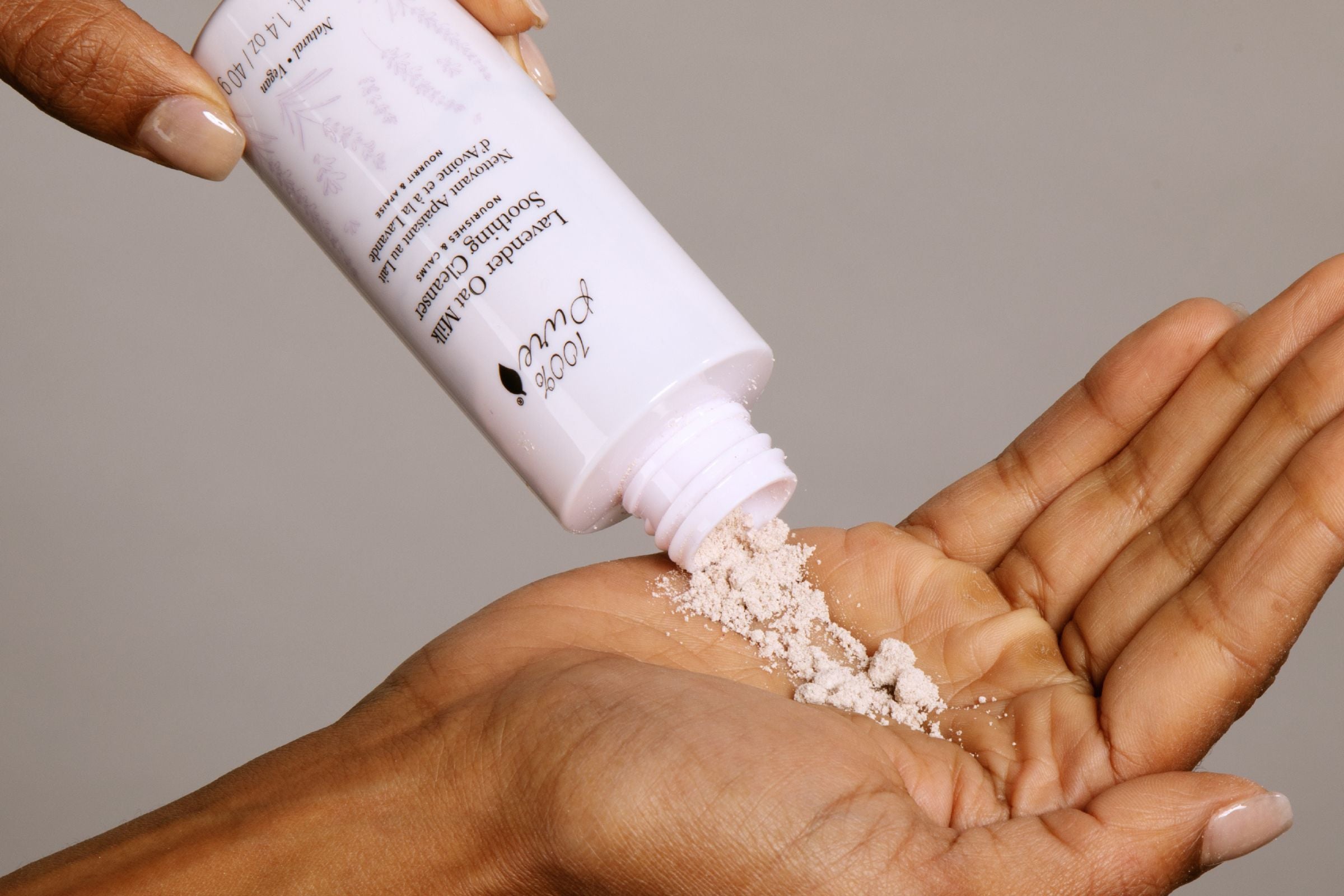
Lavender Oat Milk Soothing Cleanser
Envision a gentle massage with a powder cleanser inspired by the soothing essence of lavender fields and comforting oatmeal baths. This cleanser combines the moisturizing benefits of colloidal oatmeal with the purifying properties of lavender oil and oat milk, creating a product that is a must-have for calming sensitive skin.
Green Tea EGCG Concentrate Cream
Featuring the potent antioxidant properties of green tea, this cream acts as a protective shield against environmental damage, harsh weather, and skin sensitivities, making it an ideal choice for rosacea-prone skin.
Rose Water Hydrating Milk
Nothing quenches parched skin like a combination of rose hydrosol and hyaluronic acid. This lightweight liquid moisturizer envelops the skin in hydration and calmness, perfect for days when your skin feels particularly dry.
Restorative Sea Culture Replenishing Serum
This ultra-light gel serum is specifically designed to infuse thirsty skin cells with essential hydration and nutrition. Packed with mineral-rich sea kelp and algae extracts, along with hyaluronic acid, this serum promotes plump, supple skin while reducing the appearance of redness and irritation.
Yerba Mate Mist SPF 30
This lightweight mist, rich in nourishing yerba mate, serves as a hero product for sun protection. Just like green tea, yerba mate is packed with antioxidants to defend against free radicals and UV damage. The addition of safflower seed oil provides a light floral scent while soothing and conditioning the skin.
Key Insights and Ongoing Management of Rosacea
Winter, with its picturesque landscapes and festive spirit, can be a cherished season. However, the cold air and cozy indoor environments often take a toll on the skin, particularly for those with rosacea. This common skin condition can manifest as chronic inflammation, but there are various strategies to treat and alleviate symptoms.
While making adjustments to your daily routines and adopting healthier lifestyle choices plays a crucial role, achieving radiant winter skin sometimes requires a specialized skincare regimen tailored to manage rosacea flare-ups effectively.
We hope our insights, tips, and natural product recommendations empower you to create an effective winter skincare routine for rosacea. These soothing, healing ingredients can help guide you toward happier, healthier skin, illuminated by the glow of winter festivities. Let’s leave the redness to Santa’s cheeks!
Frequently Asked Questions About Winter Rosacea Management
Can rosacea worsen permanently if not managed properly in winter?
The dryness and redness associated with rosacea can be exacerbated during winter months. Cold air and harsh winds are significant triggers for flare-ups. Neglecting a winter skincare routine may lead to worsening symptoms and potentially permanent changes in skin condition.
Are there any specific fabrics I should avoid wearing to prevent flare-ups?
Certain fabrics can trigger flare-ups, either due to heat retention (like polyester) or skin irritation (like wool). Opt for breathable materials such as 100% cotton, bamboo, or silk to minimize irritation.
How can I distinguish between rosacea flare-ups and normal skin reactions to cold?
To differentiate between a rosacea flare-up and a typical cold skin reaction, look for persistent redness that lingers even after warming up, visible blood vessels, bumps, or a burning sensation. A standard cold reaction typically resolves quickly once you come indoors.
Is it safe to use facial oils if I have rosacea-prone skin?
While using facial oils can be safe for rosacea-prone skin, it’s crucial to choose non-comedogenic options like jojoba, rosehip, argan, apricot, or squalane. Always perform a patch test and consider consulting a dermatologist regarding your specific skin concerns.
Can indoor exercise help or worsen rosacea symptoms in winter?
Indoor exercise during winter can exacerbate rosacea symptoms if the environment is too warm. Increased body temperature from activity, coupled with heated indoor air, can trigger flushing and flare-ups. Keeping the room cool and well-ventilated is essential for minimizing irritation.
<a href="https://www.100percentpure.com/blogs/feed/understanding-and-treating-rosacea-fl