


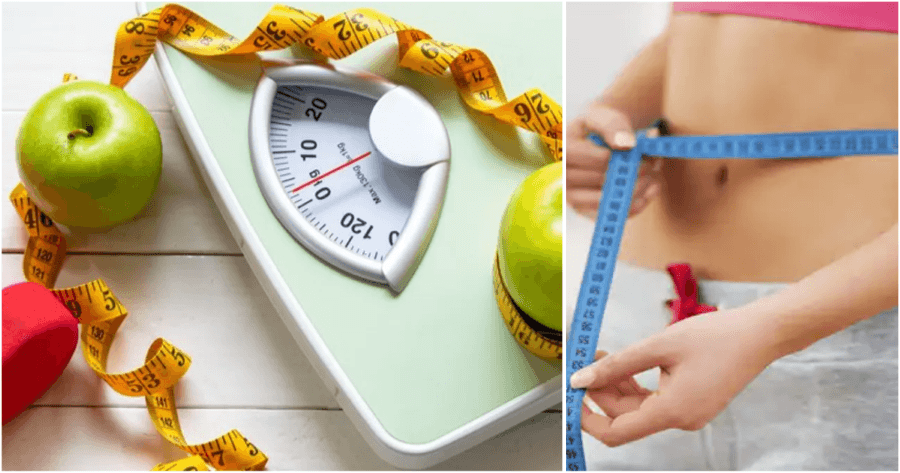
The weighing scale can serve as either a motivational ally or a discouraging opponent on your weight loss journey. While it is a valuable tool for tracking your progress, many individuals become disheartened when they see little to no change despite engaging in strict diets and rigorous exercise routines. This lack of visible progress can lead to feelings of frustration and hopelessness, prompting some to contemplate giving up altogether. It’s important to recognize that the weighing scale is not the sole indicator of success. Weight fluctuations can happen for various reasons, including the time of day, hydration levels, and recent meals. By maintaining a positive outlook and understanding these natural changes, you can better navigate the emotional ups and downs of your weight loss journey. Here are 6 specific situations when you should refrain from weighing yourself to ensure a more accurate assessment of your progress.
![6_Times_To_Avoid_Weighing_Yourself[1]](https://makeupandbeauty.com/wp-content/uploads/2023/12/6_Times_To_Avoid_Weighing_Yourself1.png)
1. Avoid Weighing Yourself the Morning After a Cheat Meal:
Cheat meals are often a highlight of many diet plans, allowing you to indulge in your favorite guilty pleasures once a week. However, these meals frequently consist of calorie-dense and carbohydrate-rich foods, which can temporarily affect your weight. When you consume excess carbohydrates, your body stores them as glycogen along with approximately 3 grams of water for each gram of glycogen. This means that after a carb-heavy meal, you might see an increase of up to 4 kilograms due to water retention alone. Furthermore, meals high in sodium can exacerbate this effect by causing additional water retention. Heavy meals can also lead to bloating, which can skew your weight readings. To avoid disappointment, resist the urge to step on the scale the day after indulging. For further insights, check out: “12 Possible Reasons That The Weighing Scale Isn’t Moving.”
2. Steer Clear of the Scale During Your Menstrual Cycle:
During your menstrual cycle, hormonal fluctuations can significantly influence your body’s water retention and bloating levels. These natural changes can lead to temporary weight gains that don’t accurately reflect your actual progress. It’s common for women to notice a spike in their weight during this time, which can be disheartening. Understanding that these fluctuations are a normal part of the menstrual cycle can help mitigate concerns about the scale. Instead of getting caught up in the numbers, focus on maintaining a healthy lifestyle and remember that this phase is temporary. By adopting a balanced approach, you can navigate your weight loss journey with greater ease and confidence.

3. Weighing Yourself in the Evening and Throughout the Day:
Your weight can fluctuate throughout the day, often peaking in the evening. It’s essential to resist the temptation to check your weight multiple times during the day, as these variations can be misleading. Daily fluctuations can range from 2 to 2.5 kilograms, primarily due to fluid retention and dietary intake. For the most accurate measurement, aim to weigh yourself every morning after using the bathroom. This timing allows your body to process and eliminate any food and fluids consumed the previous day. Establishing a consistent routine for weighing yourself will yield the most reliable results and help you track your progress effectively. Also read: “5 Reasons Why Maintaining A Food Diary Would Help You Lose Weight.”
4. Refrain from Weighing Yourself After a Few Hours of Sleep:
Research indicates that even short periods of sleep deprivation—such as just 2 to 3 hours—can lead to temporary weight gain. Sleep is crucial for your body to recover and regulate various processes, including digestion. When you haven’t had enough quality sleep, your body may hold onto excess water and experience bloating. This can skew your weight readings and lead to unnecessary anxiety about your progress. For optimal results, aim for at least 7 to 8 hours of restful sleep before stepping on the scale. By prioritizing quality sleep, you can support your weight loss efforts and ensure a more accurate assessment of your progress.
5. Don’t Weigh Yourself Immediately After Intense Workouts:
Following an intense workout, your body tends to retain more water as part of the recovery process for muscle damage. This temporary increase in water weight can be misleading if you step on the scale too soon after exercising. To avoid confusion and disappointment, it’s advisable to wait a few hours—or even until the following day—before checking your weight. This allows your body to stabilize and return to a more accurate measurement. By understanding how exercise impacts your body, you can maintain a healthier relationship with the scale and focus on long-term progress rather than short-term fluctuations.
6. Avoid the Scale the Day After Major Celebrations:
Holidays and celebrations often involve indulging in calorie-laden foods and festive treats. Events like Diwali, Christmas, and New Year typically feature rich, carb-heavy meals that can temporarily influence your weight. It’s perfectly normal to enjoy these occasions, but remember that the scale may reflect a higher number due to recent indulgences. After the festivities, refocus your efforts on your healthy habits and get back on track. Consistency is vital for achieving lasting results, so don’t let a temporary spike deter you from your overall goals. Enjoy celebrations but balance them with mindful eating afterward.
As you navigate your weight loss journey, it’s crucial to understand the complex role of the scale. While it serves as a useful tool for monitoring your progress, it doesn’t always tell the complete story. Weight fluctuations are entirely normal and can be influenced by various factors. To maintain motivation and avoid discouragement, it’s essential to recognize when it’s best not to weigh yourself. This awareness can help you cultivate a more accurate perspective on your progress. For more weight loss tips, comprehensive diet plans, and support, consider subscribing to the Rati Beauty app.
12 Possible Reasons That The Weighing Scale Isn’t Moving
5 Reasons Why Maintaining A Food Diary Would Help You Lose Weight
!function(f,b,e,v,n,t,s)
{if(f.fbq)return;n=f.fbq=function(){n.callMethod?
n.callMethod.apply(n,arguments):n.queue.push(arguments)};
if(!f._fbq)f._fbq=n;n.push=n;n.loaded=!0;n.version=’2.0′;
n.queue=[];t=b.createElement(e);t.async=!0;
t.src=v;s=b.getElementsByTagName(e)[0];
s.parentNode.insertBefore(t,s)}(window, document,’script’,
‘https://connect.facebook.net/en_US/fbevents.js’);
fbq(‘init’, ‘175059706376017’);
fbq(‘track’, ‘PageView’);
[ad_2]
Source link
