


Have you come across the buzz surrounding the “jello skin” phenomenon? This trend focuses on achieving skin that is not only bouncy and hydrated but also features a remarkably smooth texture that resembles the delightful jiggle of jello!
To unlock this coveted glow, it’s crucial to begin with a diet that is abundant in collagen-boosting foods such as nutrient-rich bone broth, fresh fish, and zesty citrus fruits. These foods are instrumental in promoting skin vitality.
Hydration is key—ensure you are drinking adequate water and incorporating hydrating foods such as crunchy cucumbers and sweet watermelon into your daily regimen. Furthermore, consider adding hyaluronic acid supplements to your routine, as they can significantly aid your skin in retaining moisture. It’s important to remember that achieving that plump, youthful appearance is influenced not just by topical products but by your overall dietary choices as well.
Exploring the Concept of Jello Skin
The term “jello skin” has gained traction in beauty communities, depicting skin that is exceptionally bouncy, plump, and radiantly glowing—essentially, skin that mirrors the delightful and firm texture of Jello. This catchy phrase surged in popularity on social media platforms, where beauty enthusiasts enthusiastically shared their tips and tricks for attaining this youthful and elastic aesthetic.
The secret behind achieving jello skin lies in its remarkable elasticity, which is predominantly attributed to the presence of collagen and elastin. These vital proteins serve as the skin’s structural support system, providing it with strength and the ability to bounce back. Adequate hydration is equally essential—skin that is well-hydrated tends to exhibit greater bounce, appearing fuller and more luminous.
However, attaining and maintaining jello skin is not solely reliant on genetics. Factors such as aging, prolonged sun exposure, and environmental pollutants can significantly degrade collagen and elastin over time, leading to less resilient skin. Moreover, lifestyle choices, including your diet, sleep patterns, and stress management, play a pivotal role in this journey.
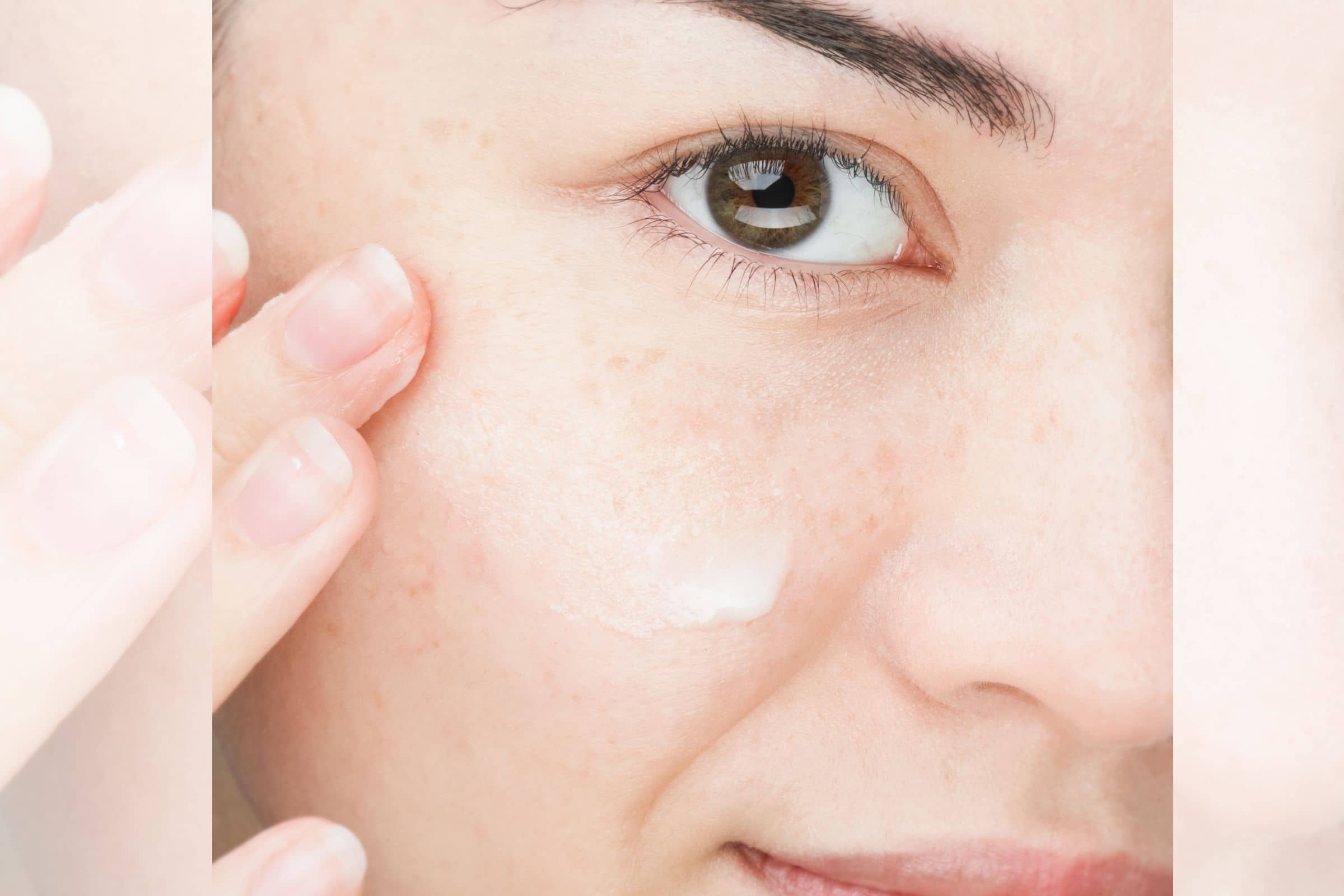
The Essential Role of Collagen in Skin Health
Collagen stands as the most abundant protein in the human body, playing a fundamental role in preserving skin structure and elasticity. It is indispensable for maintaining the firmness and smoothness of the skin, acting as a scaffold that upholds its overall integrity. Within the body, there are several types of collagen, with Types I, II, and III being the most prevalent, each serving distinct purposes in skin health and function.
As we progress in age, our natural collagen production declines, resulting in skin that is thinner and less elastic, which consequently contributes to the formation of wrinkles and sagging. To combat this decline, collagen can be sourced from dietary options such as nourishing bone broth, succulent chicken skin, and fresh fish. Additionally, collagen supplements have gained popularity for their potential skin-enhancing benefits, though their effectiveness may vary from person to person.
The Importance of Hydration for Radiant Skin
Maintaining proper hydration is crucial for achieving and sustaining plump, glowing skin. When the body is adequately hydrated, skin cells are more capable of retaining moisture, leading to a fuller and smoother appearance. Conversely, insufficient hydration can result in dull, tight skin with pronounced fine lines and wrinkles. To combat this, incorporating water-rich fruits and vegetables into your meals—such as refreshing watermelon, crunchy cucumber, and juicy strawberries—can greatly aid in keeping your skin hydrated.
Electrolytes, including sodium, potassium, and magnesium, are also vital in preserving the body’s hydration equilibrium, which directly impacts skin health. These essential minerals play a critical role in regulating fluid retention and distribution, ensuring that skin cells remain adequately hydrated and plump.
Eating Nutrient-Dense Foods to Boost Skin Elasticity
A diet rich in nutrients is fundamental for maintaining skin elasticity and achieving a youthful, firm complexion.
Vitamin C: Abundant in citrus fruits, vibrant bell peppers, and sweet strawberries, Vitamin C plays an essential role in collagen production, fortifying the skin’s structure and elasticity.
Omega-3 Fatty Acids: Found in oily fish, nutrient-dense chia seeds, and crunchy walnuts, omega-3s support the skin’s moisture barrier, ensuring it remains supple and well-hydrated.
Antioxidant-Rich Foods: Berries, leafy greens like spinach, and aromatic green tea are packed with antioxidants that protect against free radical damage, effectively reducing the risk of premature aging.
Bone Broth: This nourishing broth is rich in collagen, amino acids, and essential minerals, significantly enhancing skin elasticity and diminishing the appearance of fine lines.
Chia Seeds and Nuts: These nutrient-dense foods offer fiber and omega-3s, which help to minimize inflammation and maintain clear, radiant skin.
Lean Proteins: Sources such as chicken, eggs, and legumes provide vital amino acids necessary for the production of collagen and elastin, contributing to a smooth, resilient complexion.
Collectively, these foods work synergistically to protect, repair, and amplify the skin’s natural glow and firmness.
Adopting Dietary Habits for Achieving Jello Skin
To attain “jello skin”—characterized by its plump, bouncy, and radiant appearance—it’s essential to maintain a balanced diet that includes proteins, healthy fats, and complex carbohydrates. A typical day’s meals could include a hearty bowl of oatmeal topped with fresh berries, a delicious grilled salmon accompanied by a quinoa salad, and lean chicken served with a medley of steamed vegetables. Observing regular meal timings can assist in stabilizing blood sugar levels, thereby preventing the breakdown of collagen, while practices like intermittent fasting may further enhance skin repair.
Starting your day with collagen-boosting foods like bone broth or vitamin C-rich fruits can optimize nutrient absorption. Additionally, it’s crucial to limit sugar intake—which can damage collagen—and avoid processed foods that trigger inflammation, both of which are essential for maintaining youthful and elastic skin.
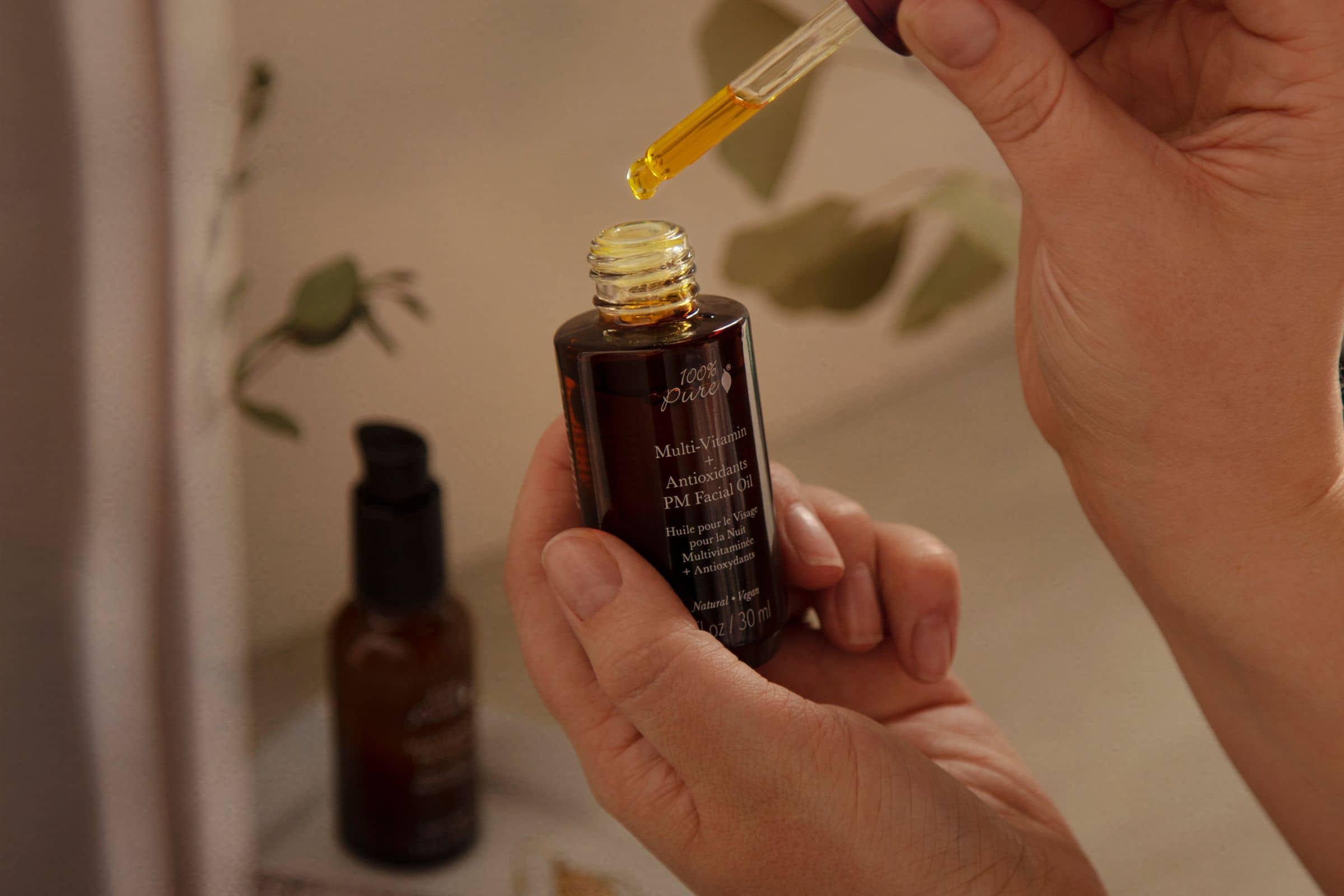
Enhancing Your Jello Skin Journey with 100% PURE Products
Achieving the ideal jello skin—characterized by its plump, bouncy, and luminous quality—extends beyond diet alone. Integrating specific skincare products into your daily routine can significantly amplify the advantages of a nutrient-rich diet. 100% PURE offers a diverse array of products designed to complement your journey towards radiant skin.
The Multi-Vitamin + Antioxidants Potent PM Serum delivers an intensive nutrient boost for nighttime skin repair, synergizing beautifully with your healthy dietary choices.
The Retinol Restorative Neck Cream enhances neck skin elasticity, making it an excellent addition to your regimen alongside dietary improvements. For those seeking a plant-based alternative to retinol, the Bakuchiol Oil Serum offers skin-firming benefits, perfectly complementing your dietary collagen intake.
The Green Tea EGCG Concentrate Cream is loaded with topical antioxidants that enhance the effects of a diet rich in these protective elements, while the Hydra Drench Cream provides deep hydration to boost the plumpness achieved through proper nutrition.
By layering these products effectively, you can significantly elevate your skin’s elasticity and overall radiance.
Key Lifestyle Factors for Maintaining Jello Skin
Your overall lifestyle plays a critical role in sustaining jello skin. Engaging in regular exercise promotes circulation, which in turn enhances skin health and elasticity. Incorporating a mix of cardio and strength training into your fitness regime can amplify your skin’s natural glow. Additionally, post-workout nutrition that is rich in protein and antioxidants is essential for skin recovery and maintaining elasticity.
Managing stress levels is equally vital, as chronic stress can result in skin issues such as dullness and premature aging. Establishing a consistent sleep routine allows your skin the necessary time to repair and rejuvenate, contributing to a plump and youthful appearance.
Evaluating Your Progress Towards Jello Skin
To effectively assess the success of your jello skin regimen, look for visible signs such as improved elasticity, increased skin bounce, and enhanced plumpness. Noticeable enhancements in overall skin glow and texture are also encouraging indicators. On a non-visual level, be aware of better hydration levels and an improved ability of your skin to retain moisture. Patience and consistency are essential, and it’s important to set realistic expectations, as meaningful results may take time to manifest. The long-term benefits of a skin-healthy diet include sustained elasticity and a radiant complexion.
Achieving the coveted jello skin requires a comprehensive approach that combines a diet rich in collagen-boosting foods, antioxidants, and healthy fats. By nourishing your skin from within and integrating these dietary strategies with an effective skincare routine, you can enhance skin elasticity, bounce, and radiance. Embrace this holistic approach for sustainable, vibrant results, and relish the long-term benefits of youthful, glowing skin.
Common Questions About Jello Skin
How long will it take to see results from a jello skin diet?
The timeline for seeing results from a jello skin diet can vary significantly based on individual factors such as age, skin type, and overall health. Generally, you may begin to notice improvements in skin elasticity and radiance within a span of 4 to 6 weeks of consistently adhering to a nutrient-dense diet. However, the full spectrum of benefits often requires several months of dedicated commitment to truly become visible.
Can vegetarians and vegans achieve jello skin through their diet?
Absolutely! Vegetarians and vegans can certainly attain jello skin through their dietary choices by emphasizing plant-based sources of essential nutrients that bolster skin health. Incorporating vitamin C-rich foods, omega-3 sources like flaxseeds, and protein-rich options such as legumes and nuts into their meals is highly beneficial. Additionally, plant-derived collagen supplements, which contain necessary amino acids and vitamin C, can also support skin vitality.
Are there any potential risks linked to excessive collagen consumption?
In general, consuming excessive amounts of collagen is considered safe; however, very high doses may lead to digestive discomfort or an imbalance in nutrient intake. It is advisable to adhere to recommended dosages and consult with a healthcare professional if you have any concerns or underlying health conditions.
How does alcohol consumption impact jello skin?
Alcohol can adversely affect skin health by depleting the body of vital nutrients, which leads to dehydration and a noticeable decline in skin elasticity. It can also trigger inflammation and worsen existing skin issues. Therefore, limiting alcohol consumption can help preserve the skin’s plumpness and overall condition.
Is it possible to achieve jello skin through diet alone, or are skincare products also necessary?
While maintaining a balanced diet is essential for achieving jello skin, combining dietary efforts with targeted skincare products can significantly enhance results. Nutrient-rich foods nourish the skin from within, while products such as serums and creams offer additional benefits, including hydration and collagen support. A comprehensive approach that incorporates both elements is the most effective strategy.
