


[ad_1]
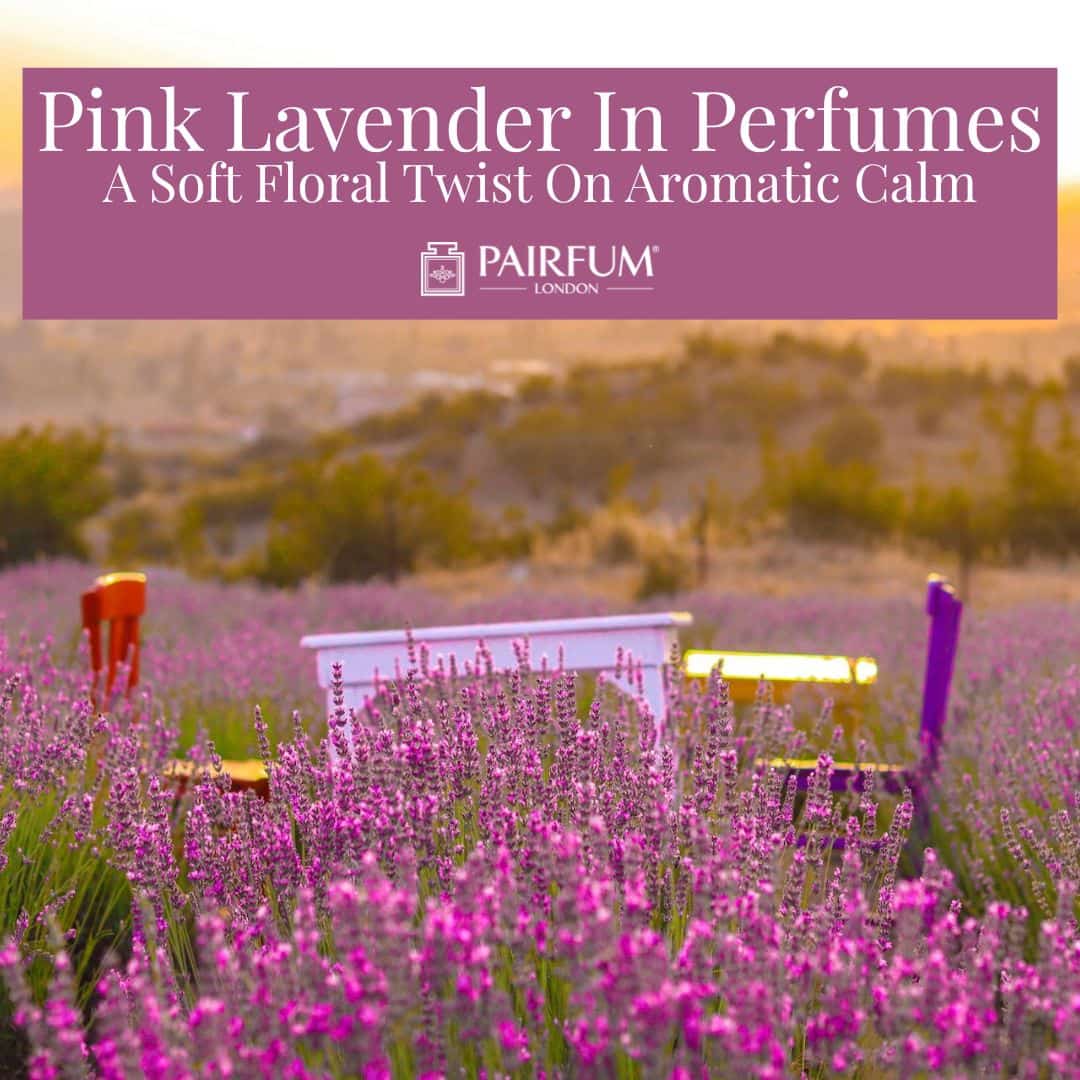
Pink Lavender refers to specific varieties of the herb, particularly English lavender (Lavandula angustifolia), known for producing delicate rose-pink flowers instead of the typical purple. These varieties enhance gardens with a softer floral hue while retaining the classic lavender fragrance and ease of maintenance. Notable cultivars include lavender rosea (often called Jean Davis), Loddon Pink, and the newer Beezee Pink, all celebrated for attracting pollinators. They flourish in sunny, well-drained environments, making them excellent choices for borders, container gardens, and traditional cottage-style landscapes.
Floral notes don’t always have to be bold to make an impact. Some, like pink lavender, are gentle and bring a sense of tranquility. This variety introduces a dreamy quality to perfumes, akin to a warm whisper in a serene space. While lavender is often recognized for its sharp, herbal scent, pink lavender is softer and offers a light floral elegance that captivates without overwhelming the entire fragrance. In the realm of perfumery, where bold ouds and zesty citruses often take center stage, this subtle botanical provides a refreshing pause.
Initially, pink lavender was better recognized for its charming pale blooms in garden borders. it gradually caught the attention of perfumers seeking unique, understated elements. In winter, when the days become quieter and the air cooler, incorporating a light floral note like pink lavender can create a welcome contrast. Rather than clashing with the season, it enhances it. For those interested in fragrance composition, think of this ingredient as the velvet lining of a winter coat, offering comfort and sophistication that is more felt than overtly declared.
Exploring the Origins of Pink Lavender
Pink lavender originates from a cultivated type of garden lavender specifically bred to produce blush-tinted flowers. This hybrid typically merges the resilient English lavender with varieties that may lack vibrant color but possess a gentler aroma. Its name straightforwardly derives from its flower color. Most people visualize a vibrant violet field when they think of lavender, yet the pink variations boast a history equally rich. Cultivars like lavender rosea have been treasured for years, especially in traditional British gardens where they contrast beautifully with the more prevalent purple shades.
What sets it apart is its subdued character. While standard lavender may come off as brisk or overly robust, pink lavender offers a rounded, almost airy quality. It has less of that green edge and presents a fresher, floral lift. This softer aroma has enabled pink lavender to find its niche in more refined fragrances, where balance is essential. Historically, commercial growers often overlooked these plants in favor of vibrant hues for visual appeal. The perfume industry, however, began to recognize that while the plant may lack in saturated color, it compensates with its delicate, balsamic sweetness. It garnered attention quietly, primarily through small-batch and meticulously crafted oils. Those seeking gentle notes or wishing to avoid overpowering florals gravitated towards it. Over time, it earned its place in perfumes that prioritize grace over strength.

Understanding Lavender Plant Species
To truly appreciate the essence of pink lavender, it’s crucial to understand the plant itself. While Lavandula angustifolia is the most renowned species for high-quality perfumery, multiple perennial plants exist within this family. For example, French lavender and Spanish lavender (known as Lavandula stoechas) emit a more camphorous aroma that can sometimes feel medicinal. In contrast, angustifolia varieties like the compact Hidcote Pink yield the delicate pale pink flowers that perfumers seek. Illustrations of these lavender plants often show foliage in silvery grey or grey-green, which beautifully complements the pink blooms.
Uniquely, pink lavender cultivars like Beezee Pink have a distinctive flowering cycle. They typically begin blooming in late spring and continue through late summer, making them a favorite for gardeners hoping to attract bees and butterflies. A closer examination of Lavandula angustifolia’s botanical structure reveals that oil glands are located at the base of the tiny florets. In pink varieties, these glands usually produce a fragrance that leans away from the sharp camphor, instead favoring a honeyed, hay-like sweetness. This characteristic makes the lavender plant an invaluable asset for fragrance houses.
Botanical Characteristics and Growth Habits
When selecting a lavender plant, consider both the size of the plant and the pot. Most pink English lavender varieties behave like small shrubs, maintaining a tidy appearance in pots or borders. Once established, they are drought-tolerant, though they prefer full sun for optimal aromatic oil production. Mature specimens of Rosea or Loddon Pink exhibit a bushy growth habit, typically reaching about sixty centimeters in height. These plants are remarkably hardy, often rated as H5 by horticultural experts, indicating their ability to withstand harsh UK winters provided they are planted in well-drained soil.
For those studying RHS plants, it’s evident that lavender is versatile. It’s not a tree but a resilient shrub that retains its foliage through much of the year. Whether one cultivates garden plants for cut flowers or essential oil extraction, the angustifolia species remains the benchmark. To optimize fragrance quality, growers often refrain from over-fertilizing, as lean soil encourages the plant to produce increased essential oil. This intriguing paradox illustrates how a bit of struggle can enhance the scent’s beauty.
Practical Tips for Growing Lavender for Fragrance Lovers
If you aspire to grow your own lavender, consider looking at illustrations of successful herb gardens for guidance. Positioning lavender in pots near doorways allows its foliage to release delightful scents as you pass by. Thanks to its hardiness, pink lavender can endure winter in various climates, as long as the pots are well-drained. To maintain a fresh scent profile, it’s advisable to prune the plants each year in late summer once the flowers have withered. This practice prevents the wood from becoming leggy and ensures vibrant new growth for the following season.
Observing the flowering process from late spring through summer serves as a visual reminder of the fragrance you cherish in your perfumes. The blossoms can also be dried and used in arrangements to infuse your home with the same notes as your favorite lavender fragrance. For those with limited garden space, keeping smaller varieties in pots on a sunlit windowsill is a fantastic way to enjoy the plant throughout the year. Witnessing the lifecycle of the ingredient that ultimately finds its way into a sophisticated glass bottle on your vanity is a rewarding experience.

Utilizing Pink Lavender in Fragrance Composition
Perfumers frequently seek harmonious ways to connect sharp top notes with heavier base notes. Pink lavender serves as an ideal heart note, seamlessly tying the fragrance together. It excels at smoothing the transition from a bright citrus opening to a rich, resinous finish.
- It harmonizes beautifully with powdery florals, soft woods, and gentle musks.
- It enhances the roundness of citrus or herbal openings.
- It softens stronger base notes like amber or tonka.
What’s remarkable about pink lavender is its balanced nature; it doesn’t veer into overly sweet or excessively green territory. It walks a fine line, providing tranquility and structure to a fragrance without drawing undue attention. For winter-themed perfumes, it introduces a sense of calm and spaciousness, adding floral softness that feels appropriate for chilly days while lending warmth to the overall bouquet. Essentially, it acts as a mediator, ensuring that no single note becomes too overpowering or jarring.
The Process of Extracting Pink Lavender Essence
The primary method for capturing the aroma of pink lavender is steam distillation. This technique involves passing steam through the freshly harvested flowering tops and collecting the aromatic oil. It’s a meticulous process requiring a thorough understanding of temperature and pressure.
Consider these extraction details:
- The resulting oil is generally lighter and more delicate than traditional lavender oils.
- Perfumers often incorporate supporting notes to safeguard its gentle profile.
- Factors like weather and soil can influence the uniqueness of each batch.
Precision is crucial due to the oil’s softer aroma. Excessive heat can destroy its delicate top notes, while insufficient heat may prevent proper oil extraction. Both craftsmanship and environmental conditions play significant roles in determining the final essence. The resulting oil is frequently described as having a pear-like or balsamic quality, distinct from the sharper, more medicinal oils derived from common varieties. This unique chemical signature renders pink lavender a coveted asset for niche perfumers.
Comparing Lavender Varieties for Fragrance Use
In the world of perfumery, English lavender is highly valued for its sweet, clean, and classically floral essence, making it a staple in both fine fragrances and high-quality cut flowers. It’s the quintessential scent associated with fresh linen and peaceful afternoons. In contrast, pink lavender delivers a much softer, powdery, and almost balsamic experience, making it especially prized for heart notes in niche perfumery. It lacks the sharp, camphor-like punch that can deter some from traditional scents.
Meanwhile, Spanish lavender tends to have a more medicinal aroma featuring notes of camphor and pine, making it more suitable for soaps and aromatherapy than for subtle personal fragrances. While the angustifolia species typically showcases sky blue or purple flowers, the bright pink blooms of certain hybrids provide a more refined option for high-end scents. This distinction in color and scent complexity allows perfumers to evoke specific moods, moving away from the predictable towards the extraordinary.
Why Pink Lavender is Ideal for Winter Serenity
December days often bring a chill not just in temperature, but in pace. This seasonal shift makes it the perfect time to reach for fragrance notes that encourage calm and relaxation. Pink lavender seems tailor-made for this purpose. It doesn’t impose loud colors; instead, it softens edges and creates a serene atmosphere. Its aroma is reminiscent of a soft cashmere scarf or the warm glow of a candle in a softly lit room.
Here’s why pink lavender is particularly effective in winter:
- It balances sharper, colder weather spices with a soothing floral tone.
- Its aroma offers warmth without veering into excessive sweetness.
- On the skin, it creates a subtle aura that remains intimate rather than projecting outward.
When individuals seek winter fragrances, they often envision warmth without desiring gourmand or smoky options. Pink lavender provides an alternative, creating calm while maintaining interest. This appeals to the personal nature of scent selection, where wearers desire fragrances that resonate with their inner state. It’s about discovering a scent that feels like home, especially when the outside world feels cold and unfamiliar.
Perfumes That Showcase Pink Lavender Elegantly
Fragrances that showcase pink lavender are often the more subdued compositions. These blends do not rush to impress or envelop a space in a heavy scent cloud. Instead, they unfold gradually, allowing notes to reveal themselves in simple, thoughtful layers. You will find pink lavender featured in winter Eau de Parfums and related products, where gentle florals intertwine with white flowers, almond, buttery vanilla, or soft woods. It typically follows crisp top notes like citrus or green herbs, providing a floral heart before transitioning into warmer bases.
Notable Soft Lavender Fragrances
- Chanel Jersey (Les Exclusifs) This fragrance is renowned for its exquisite use of high-quality lavender, which feels creamy and perfectly rounded. It blends the floral essence with notes of vanilla and musk, resulting in a soft and sophisticated trail devoid of any medicinal sharpness.
- Guerlain Mon Guerlain Possibly the most recognized modern interpretation of feminine lavender, this scent features a specific variety known as Carla lavender. It’s celebrated for its silky warmth, especially when paired with sambac jasmine and sandalwood, creating an authentic pink floral experience.
- Jo Malone London Wisteria and Lavender This composition emphasizes the ethereal and delicate aspects of the plant. It evokes a gentle stroll through an English garden, where lavender serves as a tranquil backdrop for the sweetness of wisteria and the softness of white musk.

Pairfum London Pink Lavender Home Fragrance Products
To truly embody the tranquil essence of pink lavender within your home, consider an elegant bell-shaped reed diffuser. This large glass vessel is crafted to hold a generous amount of fragrance, ensuring the gentle floral notes persist in the air for months. Utilizing natural capillary action, it offers a consistent and subtle scent backdrop that never feels overpowering. This diffuser is a wonderful way to establish a serene atmosphere reminiscent of the aromatic calm found in fine fragrances, serving as both a visual and olfactory reminder of nature’s quiet beauty.
Pink Lavender – Large Bell Shape Reed Diffuser by Pairfum London
This vibrantly fresh and sparkling fragrance opens with top notes of tangerine, bergamot, and minty dew drops. At its heart, a fruity pink lavender note harmonizes with freesia, rose, and lily of the valley. The base is enriched with musk, amber, and dried lavender, providing a deep and lasting finish.
Embracing Pink Lavender in Daily Life
Incorporating pink lavender into your daily routine is about embracing a more thoughtful form of beauty. It’s not a fragrance that demands attention with a sudden display of power; instead, it unfolds gradually, mirroring the quiet transition of the seasons. Whether you choose to plant a few stems in a simple clay pot or are on the lookout for that perfect winter fragrance, this delicate botanical serves as a constant reminder that the most unforgettable experiences often whisper. It stands out as a true hidden gem of the British garden, equally at home in an elegant glass bottle as it is nestled in a sunlit summer border.
The post Pink Lavender In Perfumes: A Soft Floral Twist On Aromatic Calm appeared first on Pairfum London.
