


If the months had a hierarchy, October would likely rank near the top for its near-perfect temperatures, delightful pumpkin spice flavors, and the thrilling night of candy hunting. However, there exists a cause that surpasses all seasonal joys in importance: breast cancer awareness. This month serves as a powerful reminder of the ongoing battle against this disease and the critical need for education and advocacy.
October marks nearly 40 years dedicated to raising awareness about breast cancer. In honor of the courageous survivors and the beloved pink ribbon movement, we endeavor to inform the public about key aspects such as risk factors, early detection methods, and effective prevention strategies. This initiative is not just about awareness; it’s about empowering individuals with knowledge that can save lives.
We are committed to using our platform to highlight the potential dangers of cancer-causing ingredients found in many beauty and skincare products. We stand united in the fight against breast cancer, emphasizing the importance of prioritizing both our breast and skin health, ensuring that we make informed choices about the products we use daily.
Identifying Individuals at High Risk for Breast Cancer
If there was ever a time we wished for a crystal ball, it would be to identify those at risk for cancer, particularly breast cancer. This disease is especially significant as it ranks as the second leading cause of cancer-related deaths among women overall, and it is the primary cause of cancer mortality for Hispanic women. Understanding who is most likely to develop breast cancer is crucial for effective prevention and early detection.
Breast cancer does not discriminate, affecting a wide range of individuals. The primary risk factors include being a woman and advancing age, which together account for approximately 70 percent of breast cancer cases. However, there are several other factors, both genetic and lifestyle-related, which also contribute to varying degrees of risk. These include:
Genetics: Inherited genetic mutations or alterations; this is the most significant risk factor.
Radiation Therapy: Previous exposure to high doses of radiation; this poses a substantial risk.
Prior Breast Cancer: A history of breast cancer increases the risk; this is considered a moderate risk factor.
Family History: The presence of breast cancer diagnoses in direct family members (mother, sister, or daughter) also contributes to moderate risk.
Breast Lesions: A background of specific benign conditions or changes in breast cells; this signifies a moderate risk.
Weight: Being classified as overweight, particularly after menopause, is another moderate risk factor.
Other lesser risk factors include: The presence of breast cancer in distant relatives; long-term hormone replacement therapy; early onset of menstruation and late menopause; having children later in life or remaining childless; high alcohol consumption; dense breast tissue; diabetes; and a sedentary lifestyle. Notably, Caucasian women have a slightly elevated risk of developing breast cancer, while women of color under 40 face a higher likelihood compared to their Caucasian counterparts in the same age group.
It is essential to understand that possessing one or more risk factors does not guarantee the development of breast cancer, as the interplay of various factors can influence outcomes. Unfortunately, some women will face a breast cancer diagnosis even without any identifiable risk factors.
Identifying Personal Care Products Associated with Breast Cancer Risk
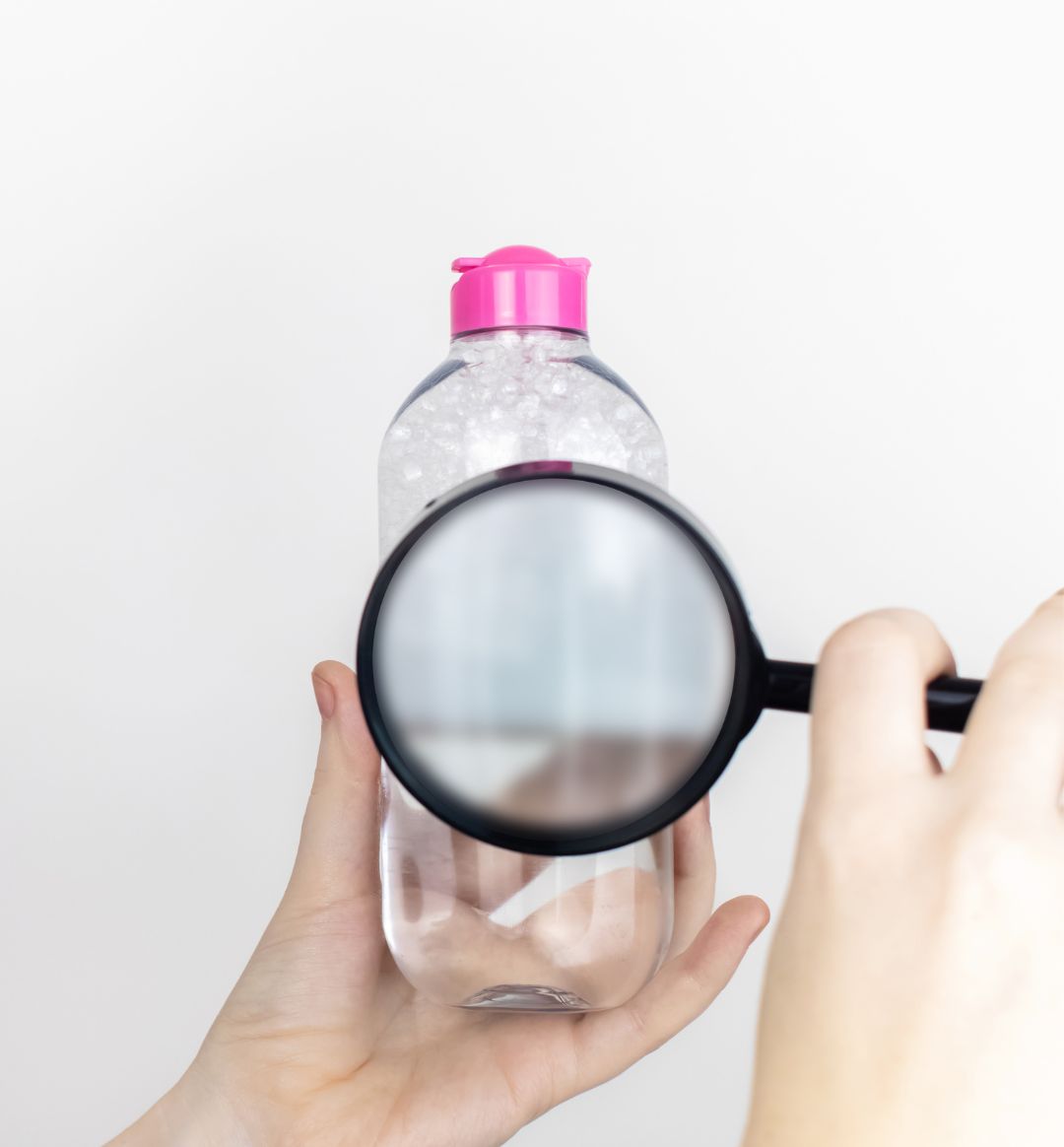
Are you aware that harmful ingredients linked to breast cancer may be hiding in your skincare, cosmetics, and hair care products? This alarming reality is due to the presence of preservatives known as parabens, which are widely used to inhibit bacterial growth in personal care items. These substances often masquerade under various names like methylparaben, ethylparaben, propylparaben, butylparaben, or isobutylparaben.
Shockingly, the American Chemical Society estimates that parabens are found in approximately 85% of personal care products. These are items you apply daily, sometimes multiple times a day, throughout the entire year. As one can imagine, the accumulation of parabens can lead to significant health concerns over time. So, what makes parabens so detrimental to our health? Any substance that we inhale, consume, or apply on our skin has the potential to be absorbed into our bodies, possibly causing long-term damage, including the disruption of normal hormone functions.
Research indicates that parabens can mimic estrogens within the body, triggering a range of health issues, including various forms of cancer, most notably breast cancer. Estrogen, a key hormone in females, has been known to stimulate both healthy and cancerous breast cells to proliferate.
Recent studies have shown that parabens were detected in 99% of breast cancer tissue samples analyzed. Specifically, breast cancer tumors contained quantifiable amounts of six different parabens, with concentrations closely mirroring their prevalence in cosmetic and skincare formulations. The Environmental Working Group (EWG) warns that repeated exposure to parabens over time—particularly through the numerous products that contain them—could result in significant health risks.
If you discover any personal care products with ingredients ending in –paraben, consider them red flags on your shopping list. In addition to parabens, other potential carcinogenic ingredients should be avoided. The positive news is that these harmful substances can be easily omitted from your routine and replaced with safer alternatives. Read on to learn more about these replacements and how simple it can be!
Nutrient-Dense Foods That May Lower Breast Cancer Risk
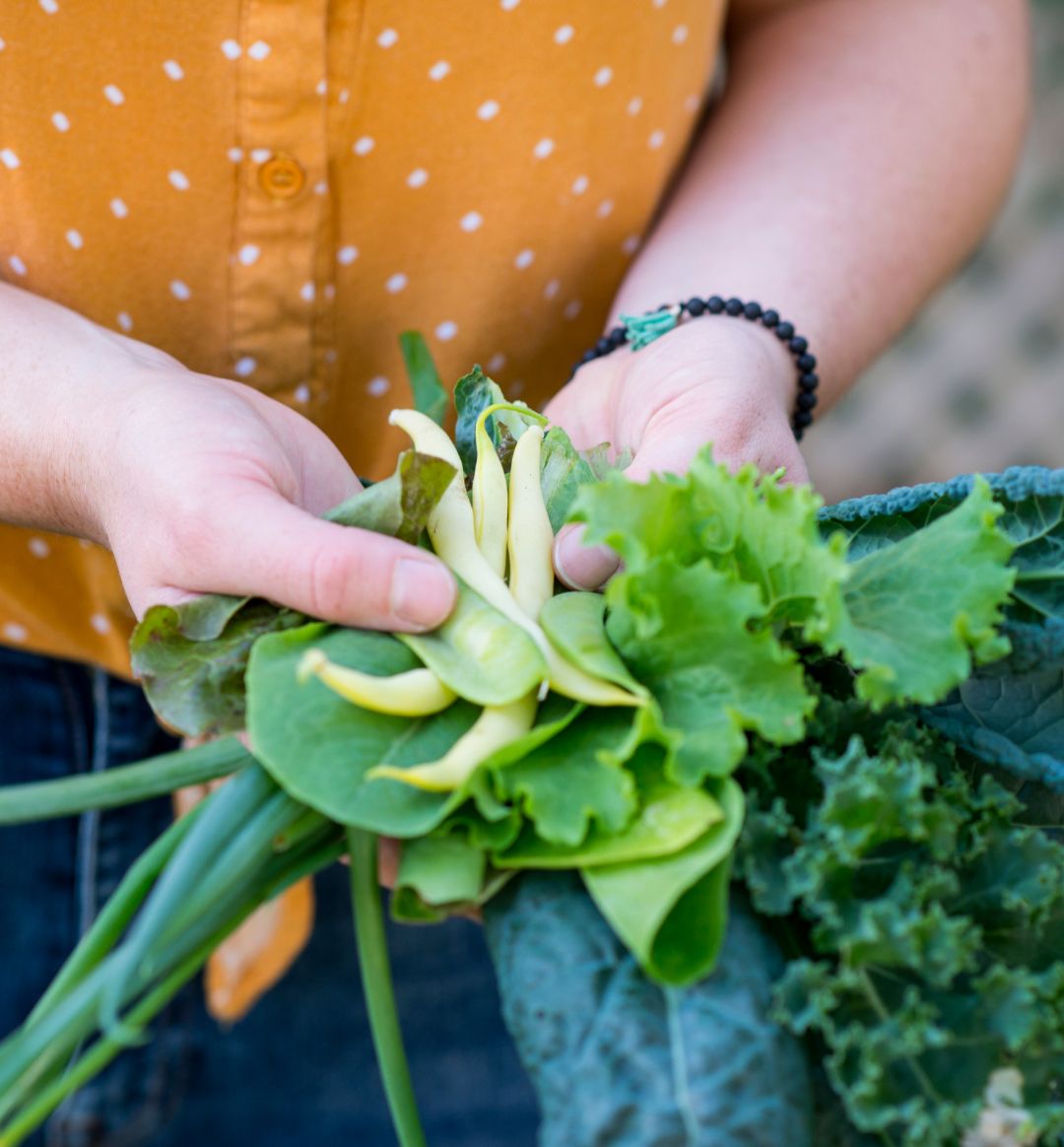
Enhancing your diet can significantly benefit your overall health, potentially reducing your risk of breast cancer. While no single food or diet guarantees immunity from breast cancer, certain foods can help optimize your body’s health and minimize your risk as much as possible.
Aim for a diet rich in nutrients and antioxidants, which is essential for bolstering your defense against breast cancer. Some highly recommended foods include:
#1. Dark Leafy Greens
Leafy greens like kale, spinach, and collard greens are packed with antioxidants that combat free radicals, the harmful agents associated with cancer development. A 2012 study published in the Journal of the National Cancer Institute revealed that women who consumed dark leafy greens had a significantly lower risk of developing breast cancer compared to those who did not include these vegetables in their diet.
#2. Berries
Berries are not only delicious but also rich in antioxidants and vitamins that protect cells, repair damage, and slow the proliferation of cancer cells. Darker varieties of berries, such as blackberries and blueberries, contain up to 50% more antioxidants than their lighter counterparts, making them an excellent choice for health-conscious individuals.
#3. Citrus Fruits
Citrus fruits are brimming with vitamin C, folate, calcium, and other vital nutrients that may help prevent and combat breast cancer. A 2013 study published in the Journal of Breast Cancer found that women who consumed ample amounts of citrus fruits were approximately 10% less likely to develop breast cancer.
#4. Fermented Foods
Fermented foods are abundant in probiotics, antioxidants, and beneficial nutrients, which consist of live bacteria and yeasts that promote health. These foods can assist in preventing your body from absorbing harmful toxins associated with breast cancer. Excellent sources of fermented foods include apple cider vinegar, kimchi, and sauerkraut.
#5. Fatty Fish
Certain fish varieties are rich in healthy fats and antioxidants that may help reduce inflammation linked to breast cancer. Fatty fish such as salmon, tuna, and trout are most beneficial when prepared through baking or smoking, providing a delicious and nutritious addition to your diet.
#6. Allium Vegetables
The term “Allium” originates from the Latin word for garlic. A 2016 study published in the Journal of Breast Cancer indicated that women who incorporated raw garlic into their diets had a reduced risk of breast cancer. If raw garlic isn’t appealing, consider using alternatives such as chives or leeks to reap similar benefits.
#7. Beans
Beans are more than just a heart-healthy food; they also play a role in reducing breast cancer risk. Rich in vitamins and minerals, beans can strengthen the immune system, decreasing vulnerability to breast cancer. According to a 2018 study published in Cancer Medicine, women who consumed a diet high in beans lowered their breast cancer risk by an impressive 20%.
In addition to the foods mentioned above, other items that may contribute to lowering breast cancer risk include various spices and herbs, such as turmeric, ginger, and black pepper; cruciferous vegetables like arugula, bok choy, and broccoli. Certain beverages, such as fermented pomegranate juice, are rich in compounds called ellagitannins that may help impede the growth of breast cancer cells.
Furthermore, green tea is another beverage that might assist in reducing the onset of breast cancer. It contains numerous compounds and antioxidants that may lower a woman’s risk of developing breast cancer. A 2014 study published in the World Journal of Clinical Oncology suggested that women who drank at least 10 cups of green tea weekly could potentially prevent breast cancer.
PRO TIP: Be mindful that parabens can also be present in foods — alarming, right? They are often labeled as “E” numbers, such as methylparaben (E218). Always check food products for these preservative offenders!
Stay Informed: Subscribe to Our Newsletter
Receive blog updates and exclusive discounts directly in your inbox!
Crafting a Natural and Safe Skincare Routine for Breast Health
Having explored the leading causes of breast cancer and associated risk factors, let’s delve into effective ways—beyond dietary changes—to reduce breast cancer risks. Many harmful ingredients in conventional skincare products can adversely affect both your skin and overall health.
Toxic substances in your makeup and skincare can penetrate your skin, entering your bloodstream and potentially causing various health issues. From preservatives intended to prolong shelf life to synthetic agents and binding agents in cosmetics, countless harmful ingredients pose risks to your health and skin. By familiarizing yourself with which cosmetic ingredients are linked to cancer, you can establish a safe and healthy skincare routine.
It is advisable to steer clear of conventional skincare products and replace harsh chemicals with natural alternatives. Choose beauty and skincare products that promote your well-being, enhance your complexion, and safeguard the health of your breasts. Below are our top product recommendations and an easy daily routine designed to achieve the healthiest skin!
Step 1: Cleanse your skin: Begin your routine with a gentle cleanser such as the 100% PURE Bakuchiol Cleanser, which effectively removes dirt, oil, and impurities while stimulating cellular turnover for a smoother complexion. Gently massage it onto damp skin, rinse with lukewarm water, and pat dry.
For thorough makeup removal or even when going makeup-free, our Blood Orange Cleansing Balm serves as a powerful first step in any natural skincare regimen—it acts as a makeup remover, cleanser, and moisturizer all in one. No makeup? No problem. The antibacterial properties of coconut oil combined with the degreasing effects of blood orange essential oil ensure that dirt and oil are effectively removed, even from makeup-free skin, preparing it for the subsequent cleansing step.
Step 2: Tone (optional): If toning is part of your routine, consider applying the 100% PURE Flower Water Toner after cleansing to help balance your skin’s pH levels. Though this step is optional, it can offer added benefits for some individuals.
Step 3: Apply Serum: For those seeking the perfect base for flawless makeup application, our Black Tea Grass Jelly Anti-oxidant Serum is expertly formulated with bakuchiol and Puerh Black Tea Leaves, combating free radical damage that contributes to aging. This serum features a reparative blend of hydrating plant saccharides and soothing tiger grass, while concentrated antioxidants work to plump and firm the skin for an anti-aging effect.
For enhanced anti-aging benefits from plant-based retinol, apply a few drops of our Bakuchiol serum to your fingertips and gently massage it into your face and neck. This serum contains the clinically recommended maximum concentration of bakuchiol, making it essential for those seeking long-lasting hydration and a soft, supple feel.
Step 4: Moisturize: If you appreciate the benefits of the black tea and grass jelly serum, you will adore pairing it with our Black Tea Grass Jelly Anti-oxidant Moisturizer! Formulated to penetrate deeply into the skin, this moisturizer combats signs of aging while nourishing the skin with powerful hydration and beneficial antioxidants, resulting in a firmer, brighter, and more youthful appearance.
For extra support in anti-aging and maintaining plant-based retinol safety, follow up the Bakuchiol serum with the 100% PURE Bakuchiol Moisturizer. This antioxidant-rich moisturizer delivers intense hydration, promotes collagen production, and minimizes the appearance of fine lines and wrinkles. Simply apply a small amount to your face and neck, gently massaging it in an upward motion.
If enhancing elasticity and firmness is your goal, try our Seaberry Moisturizer, which softens the skin using hydrating aloe and rich shea butter while providing anti-aging antioxidants from grape and sea buckthorn—along with all the skin benefits derived from bakuchiol oil.
Step 5: Eye cream: Our popular Coffee Bean Caffeine Eye Cream is formulated with anti-inflammatory, caffeine-rich green tea and coffee to de-puff the eye area while boosting circulation to brighten dark circles. This cream is packed with potent anti-aging vitamins and antioxidants to rejuvenate the eye area, along with nourishing rosehip oil for softer, more youthful skin surrounding the eyes.
Step 6: Sunscreen: During the daytime, protecting your skin from harmful UV rays is essential. Conclude your routine by applying a broad-spectrum sunscreen with a minimum SPF of 30. Sunscreen plays a vital role in preventing sun damage and preserving the benefits of other active ingredients. Additionally, the inclusion of Yerba mate tea leaf fortifies the skin with antioxidants and offers protection against damaging free radicals and environmental pollutants.
Our Green Tea SPF 30 Sunscreen provides effective defense against harmful UV rays with mineral protection while nourishing and rehydrating thirsty skin using green tea and aloe. It incorporates natural mineral zinc oxide and is infused with the protective and anti-aging properties of green tea, alongside the potent antioxidant benefits of vitamin E.
Step 7: As needed – Face mask: Our 18.3% Active Ingredients Vitamin C Glow Max Bright Mask revitalizes dull complexions, leaving skin refreshed, luminous, and hydrated with this enriching vitamin C treatment that promotes a radiant appearance.
Weekly: As necessary, exfoliate your skin. Our Matcha Oat Face Scrub gently eliminates deep-seated debris, buffs away dry patches, and maintains a toned complexion without causing irritation. This nourishing scrub combines matcha powder and colloidal oatmeal to soothe and soften the skin. The powerful antioxidants and caffeine from matcha green tea brighten the complexion and diminish redness, while vegetable glycerin retains essential hydration for softer, more nourished skin.
PRO-TIP: Generally, it is advisable to exfoliate 1-2 times per week for normal to dry skin and 2-3 times per week for oily skin. Always listen to your skin’s needs and adjust your routine accordingly.
Effective Strategies for Maintaining Breast Health
As discussed, if you have one or more breast cancer risk factors, it is vital to consult with your doctor regarding strategies to lower your risk and the importance of regular screening for breast cancer. Screening involves examining a woman’s breasts for signs of cancer before any symptoms arise. This may include mammograms, MRIs, clinical exams by healthcare providers, and self-examinations.
Additionally, taking proactive steps to keep your breasts healthy includes maintaining a physically active lifestyle, consuming a well-balanced diet rich in nutrients and antioxidants, limiting alcohol intake, refraining from smoking, and avoiding prolonged exposure to harmful chemicals. This includes toxic ingredients found in personal care products, which have the potential to contribute to breast cancer risk. At 100% PURE, our mission is to create safe, cruelty-free, and natural makeup and skincare products.
Common Questions Regarding Breast Cancer
How can breast cancer treatments impact skin health?
Certain treatments, such as radiation therapy, can lead to skin changes in the treated area, causing dryness, peeling, itching, and discoloration. You may also experience rashes or heightened sensitivity, with your skin potentially appearing sunburned or swollen. Some individuals may develop sores that can become painful and infected, while others may notice pigmentation changes.
What skincare routines are recommended for individuals undergoing breast cancer treatment?
For those undergoing treatment, a natural skincare routine with products designed for sensitive skin is the best approach. Minimize sun exposure as much as possible, as breast cancer treatments can increase photosensitivity. When sun exposure is unavoidable, it’s crucial to wear at least SPF 30 sunscreen, along with sunglasses, a wide-brimmed hat, and loose clothing that covers the skin.
Are there specific skincare products that are beneficial for breast cancer patients?
For skin that is itchy, red, or reactive due to breast cancer treatments, it is best to stick to a natural skincare routine featuring products formulated for sensitive skin. Look for ingredients that provide soothing, moisturizing, nourishing, and healing properties, such as antioxidants, natural oils, and butters.
Can certain skincare products interfere with breast cancer treatments?
Parabens, which can mimic the effects of estrogen in the body, are linked to specific types of breast cancer. Estrogen is a hormone known to stimulate both normal and cancerous breast cells to grow and multiply. Furthermore, parabens have been detected in breast tumors, raising concerns about their safety.
What strategies can I employ to manage skin dryness or irritation caused by breast cancer treatments?
Start by avoiding skincare products that contain harsh chemical surfactants, detergents, dyes, and fragrances, as these can exacerbate skin sensitivity. Additionally, minimize sun exposure and always apply SPF daily. Seek out soothing and hydrating natural ingredients, such as aloe, rose, and oatmeal, as well as nourishing oils like jojoba and coconut oil. Opt for natural skincare products specifically designed for sensitive skin.
October holds different meanings for each of us—some don pink in solidarity, others privately reflect on the month, while some experience grief, and others may feel overlooked or misunderstood. Breast Cancer Awareness Month is an opportunity for all of us to pause, acknowledge, and support those whose lives have been touched by breast cancer.
Let us all contribute to increasing awareness of breast cancer and promoting the importance of regular screenings, early detection, and effective treatment. We all share the desire to remain as healthy as possible and to minimize our risk of breast cancer.
