



If the idea that shaving can cause hair to grow back thicker and darker were true, it would likely lead to the downfall of many razor companies. While numerous beauty myths have been debunked over time, a few persist much like an annoying fragrance that lingers. It’s essential to separate fact from fiction to make informed choices about our beauty routines.
Consider the common belief surrounding facial oils: many people fear that applying oil to their face will result in increased oiliness and breakouts. But is this perception based on truth or is it a mere myth that needs to be shattered?
In reality, facial oil can be an outstanding treatment for all skin types, including those that are oily or acne-prone. Contrary to what you might think, using a facial oil can actually help restore your skin’s natural moisture levels. This is crucial for maintaining balanced oil production and preventing breakouts, dispelling the myth that oil will only exacerbate oily skin issues.
This article aims to debunk prevalent misconceptions about facial oils, highlight the most effective oil products for your skin, and explore the myriad benefits these remarkable beauty elixirs can offer.
Discover the Amazing Benefits of Facial Oil for Oily Skin Types
It’s understandable to feel apprehensive about using facial oil if you have oily skin; it may seem counterintuitive or even frightening! However, the question remains: does using facial oils lead to an acne crisis, or are they simply misunderstood and genuinely beneficial for the skin?
Let’s first examine what occurs when the skin lacks adequate oil. A deficiency in natural oils can trigger the skin to overproduce oil or sebum as a compensatory mechanism. Skipping hydration by avoiding facial oils and using harsh cleansing products can lead to breakouts, increased oiliness, and exacerbated acne. Therefore, using the right facial oil can actually help replenish your skin’s natural oils, restoring balance and significantly reducing the chances of breakouts.
Applying a facial oil tailored for oily skin types forms a protective layer that locks in moisture, keeping your skin hydrated and looking plump. These luxurious oils also come packed with anti-inflammatory and antibacterial properties, which aid in reducing redness and sensitivity associated with acne, while also helping to fade post-acne discoloration. Furthermore, facial oils can provide an additional layer of defense against environmental stressors, revitalizing dull skin and enhancing its natural glow.
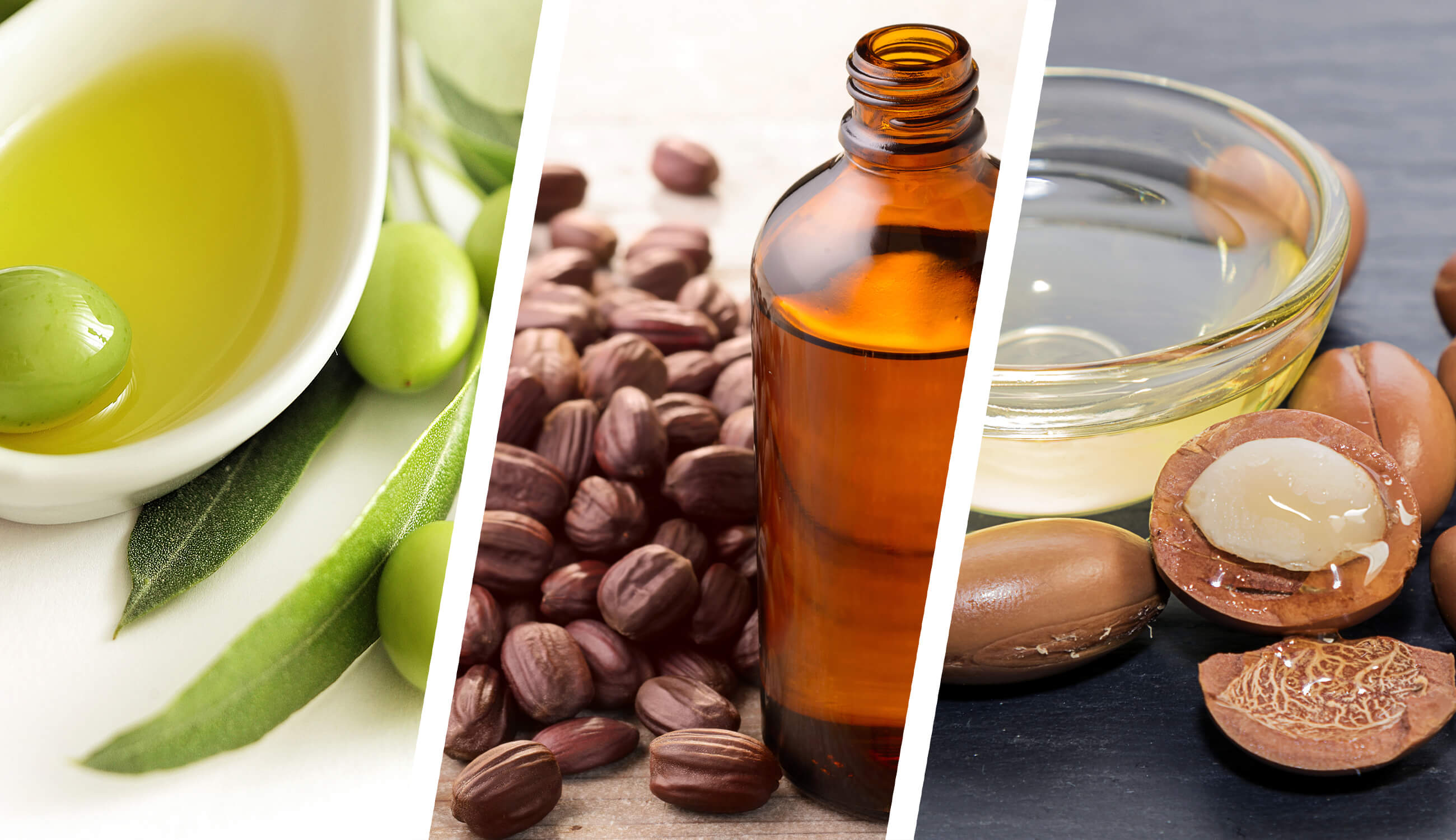
Top 3 Oils That Work Wonders for Oily Skin
Fortunately for those with oily skin, not all oils are created equal! This diversity means there are plenty of options available for anyone in search of effective treatments. If you want to experience the full benefits of facial oils, it is important to select one that is specifically formulated for your skin type.
So, which types of facial oils should you consider? Opt for lighter oils that can be rapidly absorbed by the skin, leaving no pore-clogging residue behind. Look for oils with smaller molecular sizes, such as argan, squalane, and rosehip oil, which are ideal for oily skin. If an oil has a larger molecular structure, it may struggle to penetrate the upper layer of your skin effectively.
Without further ado, let’s explore the three best oils for oily skin that you should incorporate into your skincare routine!
Argan Oil
Argan oil is often revered in the skincare world, but what makes it a secret weapon for your skin? Packed with vitamin E, argan oil serves as an excellent anti-inflammatory agent for irritated or sensitive skin while delivering essential hydration and balancing your skin’s natural sebum levels.
Our Argan Oil product combines the soothing properties of vitamin E with potent antioxidants found in argan oil, creating a “liquid gold” potion that combats acne and helps fade scars. Rich in oleic acid, argan oil enhances skin permeability and aids in the effective absorption of other active ingredients. Additionally, the Omega 6 fatty acids present in argan oil protect the skin from environmental damage, resulting in smoother, blemish-free skin.
Olive Squalane
Another phenomenal option is olive squalane, which works to restore the moisture barrier of the skin, leaving it feeling plump and hydrated. With its super-lightweight and non-greasy texture, this oil is a true superstar suitable for all skin types.
Squalane is non-comedogenic, making it an excellent choice for managing oil production and controlling excess sebum in oily or acne-prone skin. Even those with oily skin can benefit from squalane, particularly if their skin has been compromised by drying acne treatments.
For optimal hydration, incorporate squalane oil into your daily routine. Apply a few drops of this beauty elixir on its own or combine it with a lightweight moisturizer like our Hydra Drench Cream, which is specifically formulated for oily skin and is free of heavy oils. This moisturizer features chia seed gel, nopal cactus, and hyaluronic acid to provide thirst-quenching, skin-plumping hydration.
Rosehip Oil
Rosehip oil is a long-time favorite in the skincare community, and there’s a good reason for its enduring popularity. Whether you’re aiming to clear acne, diminish redness, or maintain firm and bouncy skin, rosehip oil is a true multitasking hero!
This oil is particularly valued for its high concentration of antioxidants, including polyphenols and anthocyanins. These antioxidants are essential because they help combat inflammation, which is especially important for acne-prone skin.
Rich in linoleic acid, rosehip oil aids in regulating the skin’s natural oil (sebum) production and is non-comedogenic, making it unlikely to clog pores. These characteristics make it an excellent choice for individuals with oily and acne-prone skin. The anti-inflammatory effects of rosehip oil also help reduce redness associated with breakouts, while its antioxidant content supports skin healing and regeneration, potentially minimizing the appearance of acne scars.
Our Organic Rosehip Oil is akin to a superhero for your skin. It delivers deep hydration and is rich in vitamins and omega fatty acids that restore moisture to thirsty skin. The essential fatty acids in rosehip oil enhance skin texture and reduce the visibility of scars by promoting skin regeneration and elasticity. This cold-pressed oil offers maximum potency, effectively targeting fine lines, loss of elasticity, and uneven skin tone.
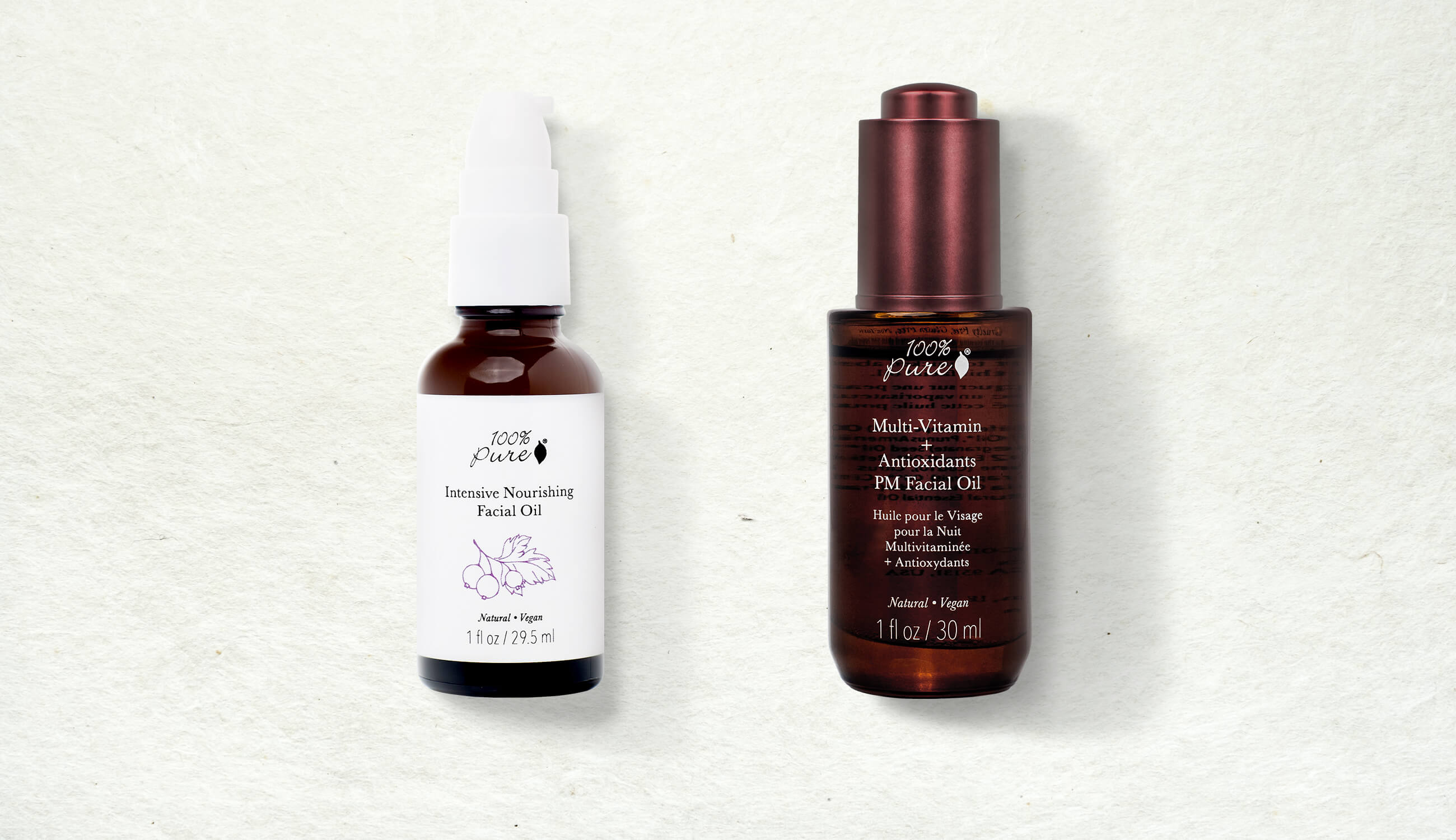
Incorporating Lightweight Facial Oils into Your Day and Night Skincare Routine
Facial oils play a crucial role in strengthening the skin’s moisture barrier, helping to retain hydration while keeping out harmful pollutants. Regular use of facial oils can significantly aid in managing acne, improving skin texture, achieving better balance, and promoting a more even skin tone. Just when you thought the advantages of facial oils for oily or acne-prone skin couldn’t get any better, using them during your nighttime skincare routine can amplify these benefits!
Here are some of the incredible advantages of incorporating facial oils into both your daily and nightly skincare regimens!
Intensive Nourishing Facial Oil
Our Nourishing Facial Oil is lightweight, making it an excellent choice for those with oily skin. This luxuriously silky oil provides hydration without leaving behind a heavy or greasy residue. But what makes it so beneficial for your skin? The primary ingredient in this formula is grapeseed oil, known for its remarkable antimicrobial properties that help combat acne-causing bacteria.
Grapeseed oil is also rich in linoleic acid, an omega-6 fatty acid that is crucial for maintaining a healthy skin barrier that retains moisture effectively. Studies show that individuals with acneic skin often have low levels of linoleic acid, which is why oils high in this fatty acid are particularly beneficial for oily and acne-prone skin types!
Alongside grapeseed oil, our formula includes blackcurrant and rosemary oils. Blackcurrant is packed with antioxidants such as flavonoids and polyphenols, which are significant in enhancing UV protection and safeguarding the skin from free radicals found in pollutants and environmental stressors.
Multi-Vitamin + Antioxidants Facial Oil
What we adore about our Multi-Vitamin + Antioxidants Facial PM Oil is its infusion of numerous antioxidants, including vitamin E, vitamin C, vitamin D3, coenzyme Q10, and retinol. This powerful combination not only provides robust free radical defense but also includes oils rich in vitamins and skin barrier protectors, with rosehip seed oil and green tea oil being prime examples.
One common misconception is that vitamin C and retinol shouldn’t be combined. However, we use tetrahexyldecyl ascorbate, a gentler and more stable form of vitamin C compared to ascorbic acid. This oil-soluble vitamin C eliminates the grainy texture often associated with other forms.

Additional Facial Oils Worth Considering for Oily Skin
While these facial oils may not have made our top three list, they are still significant players in the realm of natural beauty and offer fantastic benefits. Let’s uncover these hidden gems and discover their skin-loving properties.
Tea Tree Oil
You can’t overlook tea tree oil: its invigorating herbal aroma is unmistakable, and so are its benefits. This light, non-comedogenic oil is particularly effective for acne-prone skin due to its antibacterial and anti-inflammatory effects. It can eliminate bacteria residing in the oily regions of your pores, assisting in the reduction of painful and unsightly acne bumps.
If you have sensitive skin, exercise caution when using tea tree oil, as it is a potent essential oil. Be sure to dilute it in a carrier oil to avoid irritation.
Marula Oil
Marula oil is a lightweight, fast-absorbing, antioxidant-rich serum that feels like it has been bestowed upon us by skincare deities. It is an excellent choice for acne-prone skin due to its light texture, which helps eliminate acne-causing bacteria without clogging pores.
You can easily incorporate a few drops of marula oil into your moisturizer or apply it directly to the skin, layering a lightweight moisturizer on top after absorption.
Green Tea Oil
If the benefits of green tea for skin and health are as remarkable as those of its liquid form, then green tea oil is always a welcome addition to any skincare regimen! Excess oil production or stripping the skin of its natural oils can lead to clogged pores and breakouts. The polyphenols and EGCG, a key catechin in green tea, are effective in managing sebum production and preventing breakouts.
Green tea oil’s antibacterial properties are crucial in controlling bacteria that thrive in oily pores, which can lead to painful acne bumps. EGCG is responsible for this antimicrobial activity, making green tea oil a true multitasker and a valuable asset in skincare.
Exceptional Skincare Products Featuring Squalane & Rosehip Oils for Oily Skin
Green Tea EGCG Concentrate Serum
We are enamored with the soothing yet powerful nature of green tea, a primary ingredient in our Green Tea EGCG Concentrate Serum. This nutrient-rich formula also harnesses the skin-balancing and hydrating powers of squalane and rosehip oils!
Green tea oil’s antibacterial properties help manage bacteria that contribute to acne breakouts. EGCG’s antimicrobial effects complement this, making it a true skincare asset!
In addition to green tea, this antioxidant-rich serum includes avocado oil, which enhances radiance, protection, and healing. This formula works diligently to bring your skin into harmony while featuring anti-acne ingredients that keep oily skin and breakouts in check.
Watermelon Cucumber Locking Serum
Our deeply hydrating Watermelon Cucumber Water Locking Serum locks in moisture with watermelon hydrosol, revitalizing dehydrated skin cells. It features skin-plumping polyglutamic acid derived from fermented natto beans and moisture-retaining hyaluronic acid. Additionally, rice ceramide soothes redness-prone skin and enhances its overall appearance by providing moisture and reducing fine lines and wrinkles.
This long-lasting serum hydrates, plumps, rejuvenates, and smooths the skin with the combined power of watermelon and hyaluronic acid. This cruelty-free formula also promotes cell regeneration, minimizing signs of aging. It contains moisturizing Irish Moss Extract, along with antioxidant-rich olive squalane, ensuring hydration without a greasy residue.
Nopal Cactus Cleanser
The trifecta of purifying, anti-aging, and anti-inflammatory properties in our Nopal Cactus Cleanser will leave your skin feeling softer and more hydrated after every wash.
Packed with high levels of vitamins E, C, and B, alongside essential fatty acids, this cleanser hydrates the skin just as it does for cacti in the wild. Cacti are known for their rich antioxidant content, which helps combat free radicals and inflammation—excellent news for those with oily and acne-prone skin!
Additionally, the inclusion of aloe soothes dry skin, replenishing much-needed hydration. Olive squalane purifies pores and balances oil production. Bergamot oil, free from bergapten, targets acne-causing bacteria to diminish new blemishes while brightening both old acne scars and overall complexion.
Common Questions About Oils for Oily Skin Answered
How Can Facial Oils Enhance Oily and Acne-Prone Skin?
Absolutely! Contrary to popular belief, facial oils can help soothe and balance oily and acne-prone skin. Oils like rosehip, squalane, and argan are excellent options for maintaining oil balance and adding necessary hydration without clogging pores. Incorporating an oil with anti-inflammatory properties, such as green tea oil, can provide additional acne-fighting benefits.
What Are the Common Misunderstandings About Using Oils on Oily Skin?
Many individuals assume that applying oil to their oily skin will worsen oiliness, but this isn’t necessarily accurate. Some oils can actually assist in regulating oil production by delivering the hydration the skin craves. Others worry that using oils will lead to clogged pores and breakouts; however, non-comedogenic oils like green tea, squalane, and argan are less likely to cause such issues. In fact, they may help reduce inflammation and combat acne-causing bacteria effectively.
Can Using Facial Oils Result in Increased Acne Breakouts for Oily Skin?
If the oil is a natural product specifically designed for oily and acne-prone skin types—like those discussed above—then these oils are highly beneficial. Anyone can incorporate facial oils into their routine; just ensure you select the appropriate one for your unique skin type. Determine whether oil in your skincare regimen is a friend or foe! Not all oils lead to breakouts.
How Often Should Facial Oils Be Used on Oily Skin for Optimal Results?
For the best results, apply facial oil both morning and night. Ensure that the oil is fully absorbed into the skin before layering other products or makeup. If you apply multiple products without allowing sufficient absorption, you may encounter pilling, requiring you to start your application process all over again.
Is It Safe to Combine These Facial Oils with Other Acne Treatments for Oily Skin?
Yes! Since these oils are natural, you can safely use them alongside other skincare products.
We hope to have alleviated any concerns and dispelled myths that may have been hindering you from utilizing facial oils for your oily or acne-prone skin type. Adding just a few drops can lead to remarkable improvements in your skin health. Remember, it’s all about facts, not myths, as you unlock the ultimate secrets to skincare with facial oils.
var windowWidth,lazyLink,lazyImages,lazySource,lazyBackground,lazyIframe,lazyScripts,navigator_platform,lazyLoadedJS,src,style,datasrc,urls,analytics,s,x,i,j,flag;
function init(){flag&&(flag=0,load_all_js(),lazyLoadImg(),lazyLoadBackground(),lazyLoadIframe(),lazyLoadSource())}
function isElementInViewport
var a=t.getBoundingClientRect();
return a.top>=0&&a.left>=0&&a.bottom<=(window.innerHeight||document.documentElement.clientHeight)&&a.right<=(window.innerWidth||document.documentElement.clientWidth)
}
function insertAfter(newNode, referenceNode) {
referenceNode.parentNode.insertBefore(newNode, referenceNode.nextSibling);
}
function isElementInView
var a=t.getBoundingClientRect();
return a.top(window.innerHeight/2||document.documentElement.clientHeight/2)
}
function lazyLoadLink(){
lazyLink.forEach(function
t.href=null==t.dataset.href?t.href:t.dataset.href
})
}
function lazyLoadImg(){
lazyImages.forEach(function
null!=(src=windowWidth<600?null==t.dataset.mobsrc?t.dataset.src:t.dataset.mobsrc:t.dataset.src)&&(t.src=src),t.classList.remove("lazy2")
})
}
function lazyLoadImg2(){
lazyImages.forEach(function
isElementInViewport
})
}
function lazyLoadSource(){
lazySource.forEach(function
t.srcset=null==t.dataset.srcset?t.srcset:t.dataset.srcset
})
}
function lazyLoadBackground(){
lazyBackground.forEach(function
lazybg=windowWidth<768?null==t.dataset.mobstyle?t.dataset.style:t.dataset.mobstyle:t.dataset.style,null!=lazybg&&(t.style=lazybg),t.classList.remove("lazybg")
})
}
function lazyLoadIframe(){
lazyIframe.forEach(function
t.src=null==t.dataset.src?t.src:t.dataset.src
})
}
function lazyLoadScripts(){
j!=lazyScripts.length&&("lazyload2"==lazyScripts[j].getAttribute("type")?(lazyScripts[j].setAttribute("type","lazyloaded"),void 0!==lazyScripts[j].dataset.src?((s=document.createElement("script")).src=lazyScripts[j].dataset.src,document.body.appendChild(s),s.onload=function(){j++,lazyLoadScripts()}):((s=document.createElement("script")).innerHTML=lazyScripts[j].innerHTML,document.body.appendChild(s),j++,lazyLoadScripts())):(j++,lazyLoadScripts()))
}
function lazyLoadCss
(s=document.createElement("link")).rel="stylesheet",s.href=t,document.getElementsByTagName("head")[0].appendChild(s)
}
function lazyLoadJS
if(lazyLoadedJS)return setTimeout(function(){lazyLoadJS
}
function wnwAnalytics() {
var script2 = document.querySelectorAll(".analytics");
script2.forEach(function(analyticsScript) {
trekkie.integrations=false;
s = document.createElement("script");
s.innerHTML = analyticsScript.innerHTML;
insertAfter(s, analyticsScript);
analyticsScript.parentNode.removeChild(analyticsScript);
});
}
document.addEventListener("DOMContentLoaded",function(){windowWidth=screen.width,lazyLink=document.querySelectorAll("link"),lazyImages=document.querySelectorAll("img.lazy2"),nolazyImages=document.querySelectorAll("img.lazy"),lazyBackground=document.querySelectorAll(".lazybg"),lazyIframe=document.querySelectorAll("iframe"),lazySource=document.querySelectorAll("source"),lazyScripts=document.getElementsByTagName("script"),navigator_platform=navigator.platform,i=0,j=0,flag=1,window.addEventListener("scroll",function(){init()}),window.addEventListener("mousemove",function(){init()}),window.addEventListener("touchstart",function(){init()}),"Linux x86_64
