


Contouring isn’t merely a fleeting makeup trend; it’s the essential technique responsible for creating those beautifully sculpted cheekbones, defined jawlines, and subtly contoured noses that grace both Instagram feeds and red carpets.
Fear not—you don’t need a professional makeup artist or a glamorous squad to harness the enchanting effects of contouring. With the right products at your fingertips and a few ingenious techniques up your sleeve, contouring can swiftly become your go-to method for shaping and enhancing your facial features.
Our comprehensive beginner’s guide will lead you step-by-step through the essentials of contour makeup, exploring what it truly involves, how it operates, and exactly what tools and products you need to achieve a soft, natural-looking definition that radiates a lit-from-within glow, rather than appearing excessively caked on. Let’s take your features to their most flattering angles.
Understanding Contouring: The Fundamentals and Its Techniques
Contouring is the refined art of applying makeup to sculpt, define, and enhance your facial structure by skillfully manipulating light and shadow. It’s fundamentally about creating the illusion of depth—darker shades recede and create depth in areas such as the hollows of your cheeks or the sides of your nose, while lighter tones highlight and bring features into focus, like the tops of your cheekbones or the bridge of your nose.
Visualize your face as a creative canvas, with contouring acting as your artistic brushwork—by expertly blending light and dark in strategic locations, you can achieve a stunning dimension, a sense of balance, and an overall polished appearance.
Distinguishing Between Contouring and Bronzing: Key Differences Explained
Many people often confuse contouring and bronzing, yet these two techniques serve entirely different functions within your makeup routine.
|
Contouring |
Bronzing |
|
|---|---|---|
|
Purpose |
Provides structure and definition |
Imparts warmth and a sun-kissed glow |
|
Product Tone |
Typically cool-toned |
Generally warm-toned |
|
Finish |
Matte finish |
Often features shimmer or a radiant finish |
|
Placement |
Applied to hollows of cheeks, jawline, sides of nose, and temples |
Used on cheekbones, forehead, bridge of nose, and chin |
|
Effect |
Creates shadows and adds depth |
Imitates the look of a natural tan |
|
To sculpt and shape facial features |
To enhance healthy color and dimension |
In essence, use contouring to define your features, and bronzing to achieve a glowing warmth. Combining both techniques results in a beautifully balanced, dimensional makeup look.
A Detailed Exploration of Contouring’s Historical Background
Contouring boasts a rich and intriguing history that spans centuries. Its origins trace back to the theatrical world, where performers utilized heavy makeup to amplify their facial features under intense stage lighting. This technique was crucial for ensuring that the audience could discern expressions from afar, especially during times when modern lighting and high-definition visuals were non-existent.
In the early 20th century, Hollywood makeup artists adapted these theatrical techniques for the big screen. Contouring became an indispensable element for accentuating facial features in black-and-white films, where subtle shadows could enhance or detract from a scene. Iconic stars like Marlene Dietrich and Marilyn Monroe relied on expertly sculpted looks that set them apart.
Fast forward to the 2010s, when social media platforms, beauty influencers, and celebrities, particularly Kim Kardashian, brought contouring to the forefront of mainstream beauty culture. YouTube tutorials and Instagram trends transformed this technique from theater stages to the everyday makeup kits of countless individuals.
Today, the emphasis on contouring has softened, promoting a trend toward “soft sculpting” which highlights and enhances natural features with gentle, wearable definition rather than bold, dramatic lines.
Essential Contour Makeup Products for Beginners
Embarking on your contouring adventure? Here are the essential products you’ll need to sculpt and define your features with confidence:
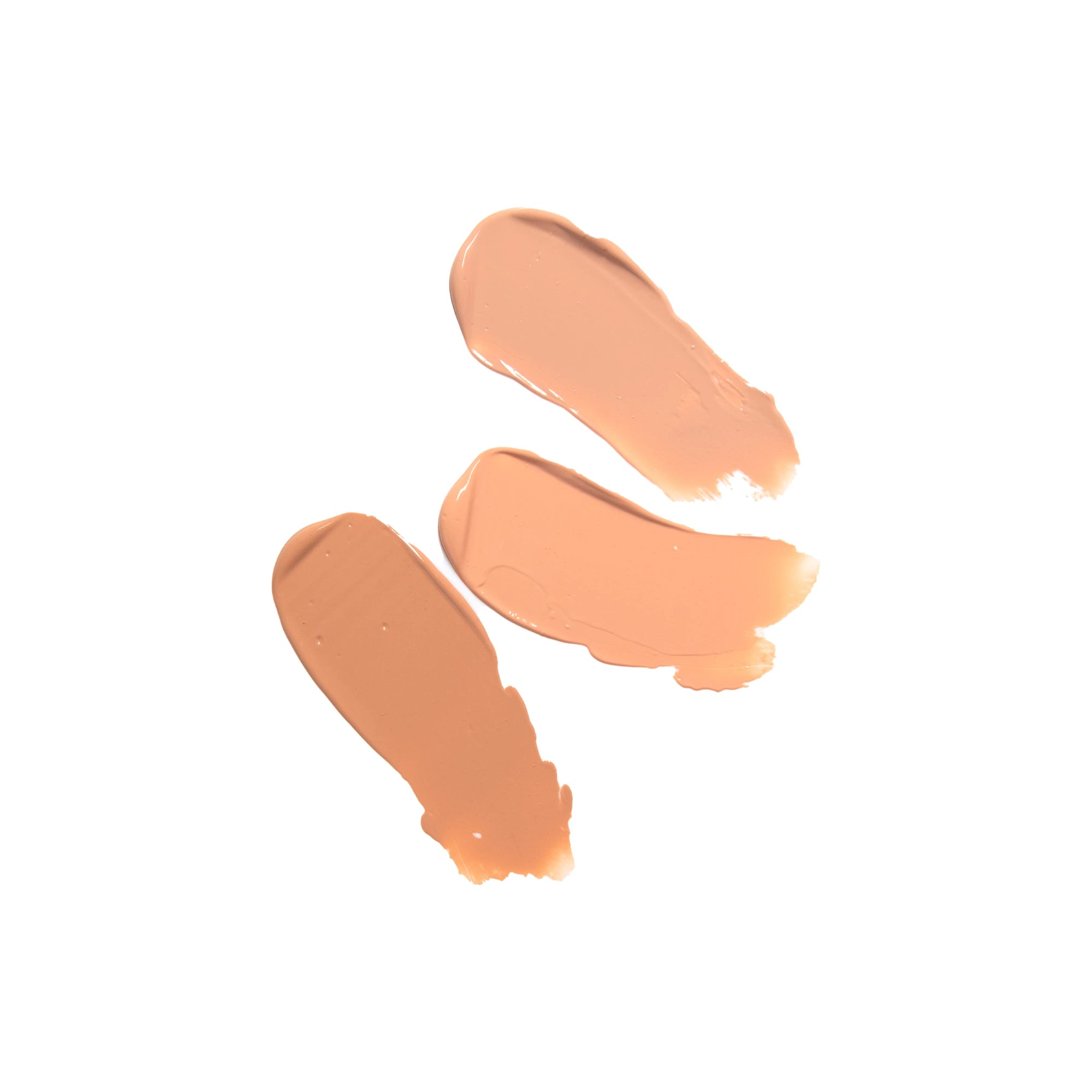
Cream Contour: For achieving a natural, skin-like finish, choose a creamy formula such as the Fruit Pigmented® Cream Foundation. This product blends seamlessly and provides a flawless sculpt.
Powder Contour: Ideal for setting your cream products or using alone for a more buildable, matte appearance. The Fruit Pigmented® Powder Foundation allows for excellent control in softly defining your features.
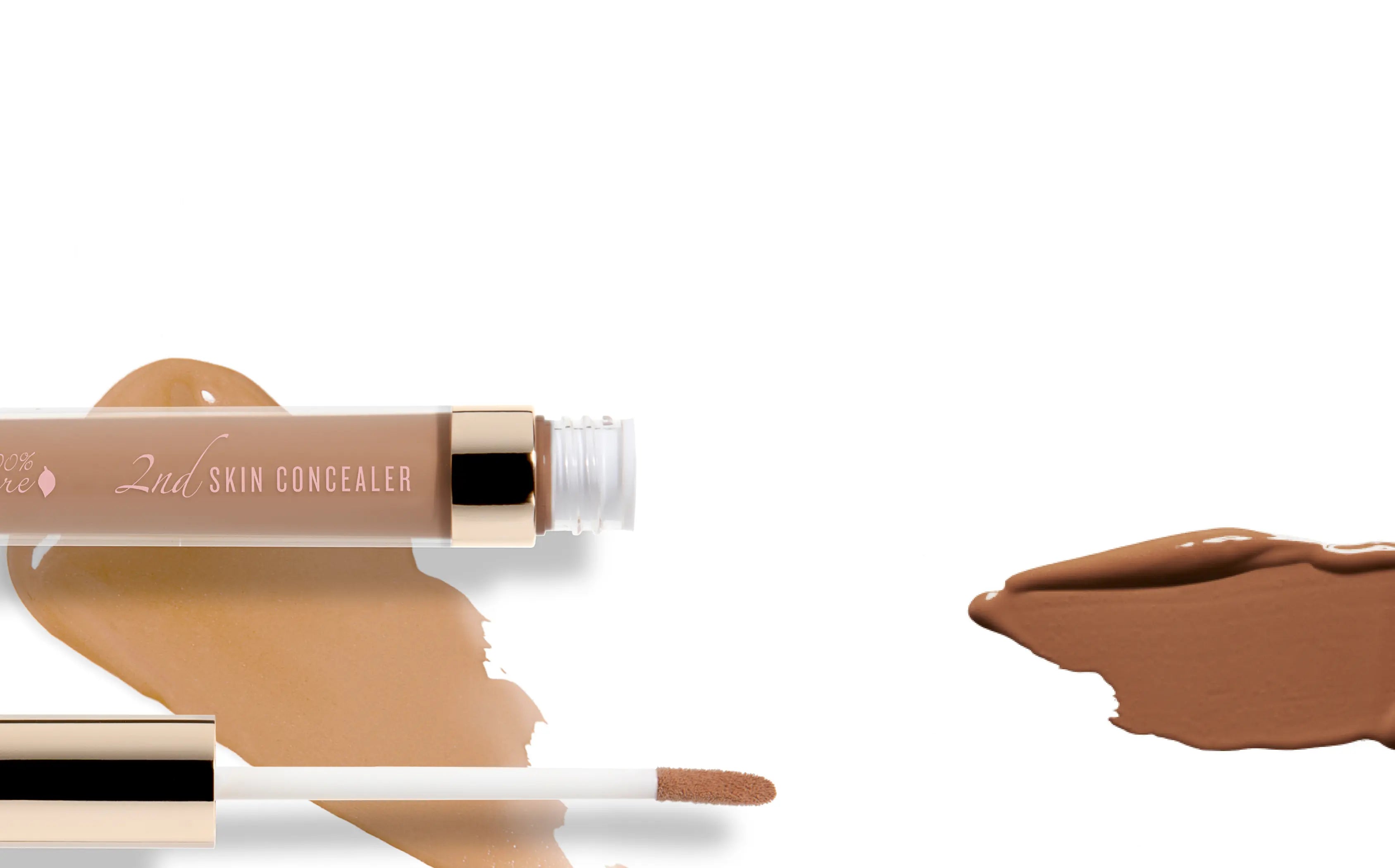
Concealer: Brightening is pivotal for contrast. The Fruit Pigmented® 2nd Skin Concealer is exceptional for highlighting under your eyes, on your forehead, and across your T-zone.
Contour Tool: Effective blending is crucial. The Non-Latex Makeup Blender is perfect for melting product into your skin, ensuring a streak-free, flawless finish.
Bronzer: After contouring, add warmth with the Cocoa Pigmented Bronzer. It layers beautifully over your contour, imparting a healthy, sun-kissed glow.
With these must-have essentials, you’re well-equipped to sculpt your features like a professional makeup artist—naturally and effortlessly.
Guidelines for Selecting the Perfect Contour Shade
Choosing the right contour shade can significantly influence your overall look. Aim for a color that is 1–2 shades deeper than your foundation to produce natural-looking shadows without creating a stark contrast. For the most realistic results, select a shade with a cool or neutral undertone, as this closely mimics the natural shadows on your face. Here are shade recommendations based on skin tone:
Fair skin: Opt for a gentle taupe shade
Medium skin: Choose a muted, soft brown for a harmonious effect
Deep skin: Select a rich espresso or deep chocolate tone to achieve desired depth
Your Beginner’s Contour Map: Optimal Application Areas
Understanding where to apply your contour is crucial for achieving a polished look. Here’s a straightforward guide to help you sculpt your features like an expert:
Cheekbones: Apply contour just below the cheekbone—not directly on it—to create a lifted, more defined appearance devoid of harsh lines.
Forehead: Blend contour around the edges of your hairline. This technique helps to visually shorten a longer forehead and enhances balance across your facial features.
Jawline: Sweep contour along the underside of your jaw to sharpen and define your jawline, adding desirable structure.
Nose (optional): For a slimmer appearance, lightly contour down the sides of your nose and ensure thorough blending. While optional, this step can significantly enhance definition.
Prioritize thorough blending and gradual build-up for a naturally sculpted finish that flatters your unique face shape.
Your Step-by-Step Guide to Flawless Contouring Application
- Begin with the Fruit Pigmented® 2nd Skin Foundation as your base layer
- Brighten under the eyes, on the forehead, and the chin using concealer
- Apply cream contour or Cocoa Pigmented Bronzer to sculpt
- Blend thoroughly with the Non-Latex Makeup Blender
- Set your look in place using Powder Foundation
Optional: Enhance your look with a touch of shimmer or highlighter applied to the cheekbones, nose bridge, and cupid’s bow for an extra glow.
Tailoring Contouring Techniques to Different Face Shapes
Each face shape requires a slightly different contouring approach to achieve optimal results. Here’s how to customize your technique:
Round Face: Concentrate contour below the cheekbones and along the sides of the forehead to create an illusion of length and definition.
Square Face: Soften angular features by contouring around the edges of the forehead and the corners of the jawline.
Heart-Shaped Face: Apply contour along the sides of the forehead to balance width, and lightly under the chin to soften a pointed appearance.
Oval Face: Keep it simple—apply light contour below the cheekbones and around the temples to enhance your natural structure.
Avoiding Common Mistakes in Contouring for Beginners
Steer clear of these common pitfalls to maintain a polished and natural contour:
- Using bronzer instead of contour—bronzer imparts warmth, not shadows
- Neglecting to blend—harsh lines undermine the purpose of contouring
- Selecting a shade that is too dark or overly warm—it should replicate a natural shadow
- Positioning contour too low or dragging it downward—it can create a droopy appearance
Always remember to blend, build gradually, and check your contour in natural light for the best results!
Optimal Times to Utilize Contour Makeup
Contouring makeup isn’t exclusive to red carpet events; it can be adapted for any occasion. Here’s when and how to effectively use it:
Everyday Wear: Opt for subtle sculpting to define your features lightly. A hint of contour under the cheekbones and around the forehead adds a natural dimension without appearing overdone.
Events & Photos: Elevate your contouring for more defined features to prevent them from appearing flat or washed out under bright lighting and in photographs.
Special Occasions: Don’t hesitate to intensify your contour. Events such as weddings, parties, or glamorous nights out call for bolder, more dramatic sculpting that stands out in person and in pictures.
With the right techniques, contouring can seamlessly transition from casual to full glam—simply adjust the intensity based on the occasion.
Celebrating Your Natural Contour
Contouring isn’t about altering your facial appearance; it’s about enhancing the natural beauty that already exists within you. With the right products and a bit of practice, anyone can master contouring to highlight their best features and elevate their confidence.
Whether your goal is a subtle lift or a more defined sculpt, contouring empowers you to embrace your unique shape and radiate from within. Opt for clean, fruit-pigmented products that harmonize with your skin for a healthy, radiant look. Let your features shine through, enhancing your natural beauty with each application.
Your Contouring Questions Answered: FAQs
What is the purpose of contour makeup?
Contouring serves to create the illusion of more defined facial features. By applying darker shades to areas that you wish to recede (such as the sides of the nose or beneath the cheekbones) and lighter shades to areas you want to highlight (like the tops of cheekbones or your forehead), you can skillfully sculpt and enhance your natural shape.
Is primer necessary before contouring?
Absolutely! Primer establishes a smooth base for your makeup, extending its longevity and ensuring a more even application. It guarantees that your contour products blend seamlessly into your skin without settling into fine lines or pores.
How does concealer differ from foundation in contouring?
Foundation is typically utilized to create an even base that matches your natural skin tone, while concealer is generally lighter and intended to brighten areas such as the under-eye region or the T-zone. In contouring, concealer can be utilized for highlighting, whereas foundation and contour products are employed to add depth and shadow.
Can powder foundation be used for contouring?
Yes! Powder foundation is effective for contouring, especially if you prefer a matte finish. To contour with powder, choose a shade that is 1–2 shades darker than your skin tone for shadow areas, and a lighter shade to highlight.
What tools are ideal for blending contour makeup?
The most effective tools for blending contour include makeup sponges or brushes designed for precise application and blending. A Non-Latex Makeup Blender is excellent for flawlessly blending contour into the skin without streaks, while a fluffy contour brush is perfect for achieving a soft, natural finish with powder contours.
[ad_2]
Source link
