


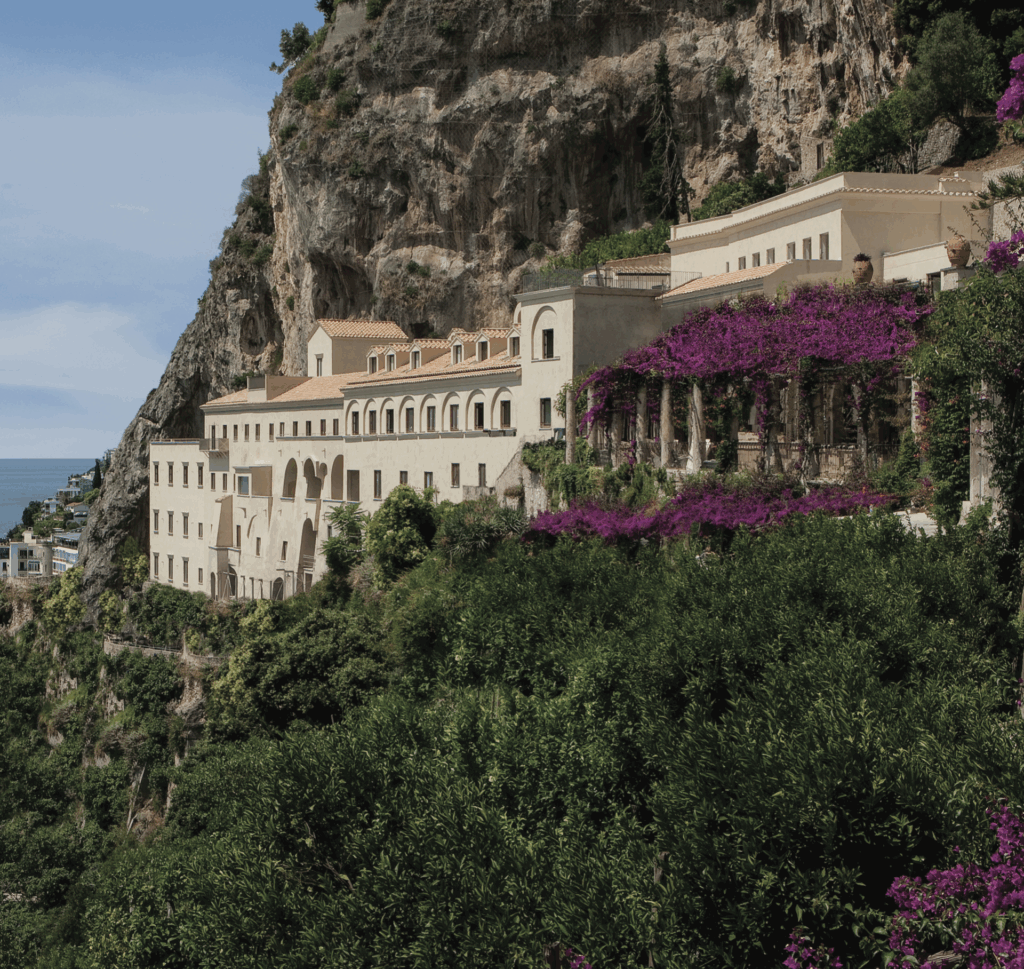
Header image: Anantara Convento di Amalfi Grand Hotel
For centuries, convents and monasteries have produced artisanal skincare. Now, this tradition is experiencing a renaissance.
I believe monastic skincare is an emerging trend in the beauty industry because it combines ancient wisdom with modern wellness needs. The recent surge in interest showcases how people seek simplicity and authenticity in their beauty routines.
At CosmeticsUrgeryNews, we specialize in cosmetics, beauty, body care, hair care, and perfume, helping our audience achieve radiant skin and holistic wellness. Our platform serves as a bridge to connect consumers with innovative beauty solutions inspired by centuries-old practices.
We monetize through affiliate partnerships, product reviews, and sponsored content, ensuring our users receive valuable insights while we generate revenue. This guide covers the fascinating world of monastic skincare, exploring its history, benefits, and modern adaptations.
This comprehensive guide will cover:
- The historical significance of monastic skincare.
- Modern brands inspired by monastic traditions.
- Popular products and their unique ingredients.
- Comparison of monastic skincare brands.
- The impact of monastic wellness on contemporary beauty trends.
What is Monastic Skincare?
Monastic skincare refers to beauty products and routines inspired by the traditions of convents and monasteries. These products often utilize natural ingredients and time-honored techniques. They are designed to promote both physical and spiritual well-being.
How Did Monastic Skincare Emerge?
The origins of monastic skincare can be traced back to historical figures like St. Hildegard of Bingen, an 11th-century abbess known for her herbal remedies. Her legacy continues to influence modern skincare brands, with several products named after her.
As of 2026, many brands, such as Hildegard Haute Botanical and Les Jardins de Sainte Hildegarde, pay homage to her contributions. These brands emphasize the use of organic and locally sourced ingredients.
Which Brands Are Leading the Monastic Skincare Trend?
Several brands have successfully integrated monastic principles into their offerings. One notable example is Fresh Crème Ancienne, which is based on a nearly 2,000-year-old Roman moisturizer recipe. This product requires meticulous hand-mixing, ensuring high-quality results.
Another brand, Monastery, founded by esthetician Athena Hewett, has gained popularity for its simple yet effective skincare line. Hewett’s background in herbalism and her experiences in Greek monasteries heavily influence her formulations.
Comparison of Monastic Skincare Brands
| Brand | Key Product | Unique Feature | Price Range |
|---|---|---|---|
| Fresh | Crème Ancienne | Hand-mixed with ancient techniques | $100 – $150 |
| Monastery | Sage Cleansing Oil | Inspired by Greek herbal traditions | $45 – $60 |
| Hildegard Haute Botanical | Botanical Serum | Utilizes ancient herbal knowledge | $70 – $90 |
What Are the Benefits of Monastic Skincare?
Monastic skincare products often feature natural ingredients that provide numerous benefits. These include:
- Enhanced hydration and nourishment.
- Soothing properties for sensitive skin.
- Rich antioxidants that promote skin health.
- Holistic approaches that encourage mindfulness.
As of 2026, studies show that consumers are increasingly seeking products that offer both efficacy and a sense of ritual in their skincare routines.
What Is the Process Behind Creating Monastic Skincare Products?
The creation of monastic skincare products often involves traditional methods passed down through generations. For instance, the monks at a secluded Czech monastery hand-mix formulations between daily chapel services, ensuring a spiritual connection to their work.
This process reflects a commitment to quality and authenticity. The meticulous attention to detail results in products that resonate with consumers seeking genuine beauty solutions.
How Is Monastic Wellness Influencing Modern Beauty Trends?
Monastic wellness practices are increasingly embraced by consumers overwhelmed by modern life. The desire for simplicity and peace is reflected in the growing popularity of retreats and spas that offer monastic-inspired experiences.
For example, Anantara Convento di Amalfi combines luxurious spa treatments with contemplative practices led by friars, creating an immersive experience for guests.
Comparison of Monastic Wellness Retreats
| Retreat | Location | Unique Offering | Price Range |
|---|---|---|---|
| Anantara Convento di Amalfi | Italy | Friar-led meditation sessions | $300 – $500 per night |
| Palacio Nazarenas | Peru | Monastic-inspired wellness treatments | $400 – $600 per night |
| Le Couvent des Minimes | France | Herbal wellness programs | $250 – $450 per night |
How Can You Experience Monastic Skincare at Home?
You don’t need to visit a monastery to enjoy the benefits of monastic skincare. Many products are available online, allowing you to incorporate these ancient practices into your daily routine. Look for brands that emphasize natural ingredients and ethical sourcing.
As of 2026, the demand for such products continues to rise, reflecting a broader trend towards wellness and self-care. Consider establishing your own rituals, such as using calming scents or practicing mindfulness during your skincare routine.
Conclusion
Monastic skincare represents a beautiful intersection of history and modern beauty. As consumers increasingly seek authenticity and simplicity, the influence of monastic traditions will likely continue to grow. By embracing these practices, you can enhance your skincare routine and cultivate a deeper sense of well-being.
