


Achieving healthy, radiant skin is a journey that requires dedication, particularly when you reach your late twenties, thirties, and beyond. This period marks a natural slowdown in your skin’s renewal process, making exfoliation a fundamental step in your skincare regimen. Understanding the various methods of exfoliation and adhering to essential guidelines can maximize the benefits of your treatments. Whether you prefer physical scrubs or chemical peels, it’s crucial to navigate through the dos and don’ts of exfoliation to maintain your skin’s health and vitality. Read on to explore the intricacies of exfoliation and how to enhance your skincare routine effectively.
What Does Exfoliation Do? | Exfoliation Do’s And Don’ts | Sensitive Skin | Normal Skin | Dry Skin | Oily Skin | Combination Skin
Unlocking the Benefits of Exfoliation for Radiant Skin
The primary aim of exfoliation is to eliminate the dull, outer layers of dead skin cells, unveiling the fresh, youthful skin underneath. The extent of exfoliation can vary significantly based on the type of skin treatment you opt for. Regular exfoliation not only helps in unclogging pores but also smooths the skin’s texture and diminishes the appearance of wrinkles and fine lines. This rejuvenating process is vital for maintaining a vibrant complexion, as it allows for better absorption of subsequent skincare products, enhancing their effectiveness.
When choosing your exfoliant, you have the option of a physical exfoliant, such as a scrub, or a chemical exfoliant, which typically involves an acid-based peel. Physical exfoliants often contain fine granules and a gritty texture, effectively buffing away dead skin when massaged into the skin. Chemical exfoliants, on the other hand, utilize acids like AHAs (alpha hydroxy acids) or BHAs (beta hydroxy acids). For those with acne-prone or oily skin, a BHA like salicylic acid is particularly effective, as it penetrates the pores to target blackheads and whiteheads. Conversely, AHAs, such as glycolic acid or lactic acid, are more beneficial for dry or mature skin by focusing on the skin’s surface and addressing visible signs of aging.
To assist you in your pursuit of a brighter and healthier complexion, we’ve compiled a comprehensive list of essential dos and don’ts for exfoliation. This guide will help you navigate the process correctly, ensuring you achieve the best results for your skin.
Essential Dos and Don’ts for Effective Exfoliation
Do: Identify Your Skin Type for Tailored Exfoliation
To maximize the benefits of exfoliation and minimize potential side effects, it is crucial to understand your unique skin type. Recognizing that skin type differs from skin concerns is essential. While skin types fall into five primary categories, skin concerns encompass a range of issues you may wish to address, such as blemishes, wrinkles, and sun damage.
The five recognized skin types are:
Consider this example: if your skin frequently experiences irritation and redness alongside dark spots from sun exposure, you likely have a “sensitive” skin type, with the skin concern being the dark spots or uneven tone you wish to treat.
Determining your skin type can be more complex than it appears. According to SkinInc Magazine, seeking a thorough skin analysis from a professional esthetician is recommended before any exfoliation treatment. To locate an authorized Eminence Organics esthetician near you, please consult the Spa Locator available on our website.
Once you’ve identified your skin type, utilize the Product Recommender tool on our website. This innovative resource provides personalized product suggestions tailored to your skin type and addresses your specific problem areas. Continue reading below for insights on the best products suited for your skin type.
Don’t: Exfoliate When Your Skin is Irritated
If your skin is feeling irritated or sore, whether due to a sunburn or adverse reactions from other products, it’s essential to avoid exfoliation. Exfoliating compromised skin can exacerbate the issue, leading to more harm than good.
Experts from Eminence Organics emphasize that over-exfoliating can damage the skin’s outer layer, known as the natural moisture barrier. This barrier is crucial for retaining moisture and protecting against environmental aggressors. A compromised barrier may result in redness, irritation, inflammation, or excessive oil production, potentially triggering breakouts. It is advisable to postpone any exfoliation treatments until your skin has fully healed.
Do: Apply Sunscreen After Exfoliation
After exfoliation, your skin becomes increasingly vulnerable to sun damage and environmental pollutants. Therefore, incorporating sun protection into your daily skincare routine is imperative. Once you’ve successfully exfoliated the dull layers, your skin’s sensitivity heightens, making it even more critical to apply a broad-spectrum SPF moisturizer.
Don’t: Use Harsh Synthetic Exfoliants
Synthetic exfoliants, such as plastic microbeads, not only pose a threat to your skin but also inflict significant damage on our environment. In response to growing concerns, the California State Assembly enacted a bill in 2015 limiting the sale of personal care products containing plastic microbeads. Instead, opt for skincare products that feature natural and organic alternatives. The Monoi Age Corrective Exfoliating Cleanser offers restorative benefits and is especially hydrating for those living in drier climates. Additionally, it is cruelty-free and formulated without harmful ingredients such as parabens, synthetic dyes, and GMOs.
Do: Exercise Caution When Mixing Exfoliation Treatments
While some exfoliation treatments can be effectively combined, others should be approached with caution. For instance, if you are using retinol treatments, it is advisable to refrain from applying our VitaSkin™ Exfoliating Peels and exercise care when considering additional exfoliation procedures like eyebrow waxing, chemical peels, microdermabrasion, or laser treatments. This caution extends to over-the-counter medications as well. To ensure safety, consulting your physician before undergoing intensive exfoliation treatments is always a prudent approach. As an alternative, we recommend the Bamboo Firming Fluid, which contains a Natural Retinol Alternative safe to combine with other exfoliating products.
Some exfoliation treatments can be safely paired, such as our VitaSkin™ Exfoliating Peels with products like the Strawberry Rhubarb Dermafoliant and the Yam & Pumpkin Enzyme Peel 5%. Using these exfoliants prior to the peels can enhance results significantly. For further insights into the benefits of exfoliating or proper exfoliation techniques, our Lead Skin Care Trainer, Natalie Pergar, addresses common exfoliating questions in this In The Mix video.
Discover the Best Exfoliating Products Tailored to Your Skin Type
Optimal Exfoliation for Sensitive Skin
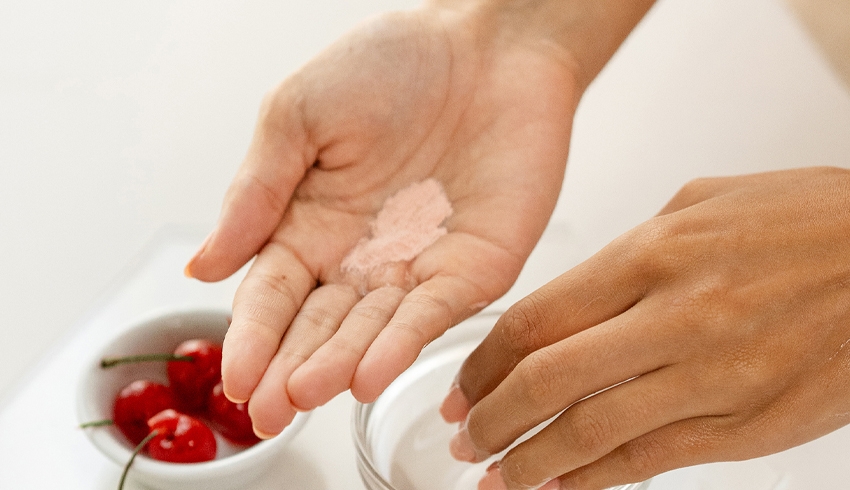
If your skin is reactive and prone to irritation, it is essential to be extremely selective about the products you incorporate, particularly concerning exfoliation. We recommend trying our 2-in-1 exfoliating cleanser — the Barbados Cherry Enzyme Cleansing Powder. Suitable for all skin types, this unique cleanser transforms from a powder to a soft, creamy foam upon contact with water. Gently massage it into the skin to enjoy the mild exfoliation benefits offered by actinidin and papain enzymes, while the combination of Barbados cherry, Kakadu plum, and diatomaceous earth work in harmony to promote an even and balanced complexion.
Exfoliation Solutions for Normal Skin
If your complexion consistently appears smooth and balanced, you likely have normal skin. To uphold the health and beauty of normal skin, we recommend the Strawberry Rhubarb Dermafoliant. This gentle scrub effectively removes impurities while brightening your complexion thanks to the natural exfoliating properties of strawberry and salicylic acid. In addition to exfoliation, rhubarb imparts vital vitamins and ascorbic acid that enhance the appearance of fine lines and wrinkles.
Exfoliation Benefits for Dry Skin
If your skin often feels tight and lacks moisture, you may be experiencing dry skin. This skin type is characterized by nearly invisible pores, flakiness, and rough texture. Our Firm Skin Acai Exfoliating Peel is an excellent choice for dry skin, as it is rich in antioxidants and incorporates glycolic and lactic acid for gentle exfoliation. Over time, consistent use of this peel will reveal softer, smoother skin, effectively minimizing the appearance of dryness and rough patches.
Exfoliation Strategies for Oily Skin
Oily skin is marked by a shiny complexion, visible pores, and frequent spots or blemishes. For those with oily skin, we recommend the Stone Crop Oxygenating Fizzofoliant™, which effectively controls shine. This innovative powder-to-foam exfoliant creates a light fizzing action that gently buffs the skin’s surface, resulting in a clean and refreshed complexion.
Exfoliation for Combination Skin
If your skin exhibits a balanced tone without extreme dryness or oiliness, you may have combination skin. You might experience slight dryness on your cheeks or forehead while dealing with oiliness in the T-zone. For combination skin, we suggest the Arctic Berry Peel & Peptide Illuminating System, a comprehensive three-step regimen designed to unveil radiant skin. The combination of cloudberry, arctic roseroot, arctic meadowsweet, and juniper provides powerful antioxidants that help minimize the appearance of wrinkles and fine lines. Additionally, lingonberry seed oil delivers essential vitamins, minerals, and omega-3 fatty acids to create a hydrated and dewy complexion.
Do you have any exfoliation tips or experiences to share? We invite you to comment below. Furthermore, for more detailed information about exfoliation, feel free to visit your nearest Eminence Organics Spa Partner.