


Imagine embarking on a transformative journey that leads you back to your roots, where you fully embrace your natural hair color, allowing it to thrive and radiate the unique beauty that resides within you. Growing out your natural hair color signifies more than just a physical change; it presents a profound opportunity to reclaim your identity and wholeheartedly embrace your authentic self. In this thorough guide, we will delve into the entire process of growing out your natural hair color, sharing invaluable insights, practical tips, and effective strategies that will help you navigate the challenges ahead while celebrating the exquisite beauty of your natural locks.
Gain Insights into the Hair Growth Cycle for Successful Transition
Understanding the intricacies of the hair growth process is paramount when embarking on your journey to grow out your natural hair color. Hair growth occurs in a cycle that includes three primary phases: anagen, catagen, and telogen. Let’s explore each phase in detail:
Anagen Phase: The Foundation of Hair Growth
During the active growth phase, known as the anagen phase, hair follicles generate new cells, leading to the continuous elongation of your hair. The duration of this phase varies among individuals, typically lasting anywhere from two to seven years. The longer your anagen phase persists, the greater potential for your hair to achieve impressive lengths and fullness.
Catagen Phase: The Short Transitional Stage
Following the anagen phase, the hair follicles enter the catagen phase, which serves as a brief transitional period. During this time, hair follicles shrink and detach from their blood supply, marking a significant reduction in hair growth activity. This phase usually lasts about two to three weeks, representing a crucial transition in the hair growth cycle.
Telogen Phase: The Resting Period
The telogen phase, commonly referred to as the resting phase, is characterized by inactive hair follicles. During this time, the existing hair remains anchored in the follicles while new hair begins to emerge beneath the surface. This phase typically lasts around two to four months, after which the old hair will shed, making way for new growth.
It’s important to note that hair color treatments, including dyeing, bleaching, or using chemical relaxers, can significantly impact the overall health and growth of your hair.
Here are some essential considerations:
Chemical Damage to Hair Structure
The use of chemical hair treatments can compromise the integrity of your hair structure, making it increasingly susceptible to breakage and damage. The harsh ingredients found in hair dyes and relaxers can strip away the natural oils essential for keeping your hair moisturized and protected. Over time, this can result in dryness, brittleness, and split ends, hindering your hair growth goals.
Potential Scalp Irritation from Hair Products
Some hair coloring products contain harsh chemicals that can irritate the scalp, leading to symptoms such as redness, itching, and discomfort. Prolonged exposure to these ingredients may result in scalp inflammation or dermatitis, which can adversely affect the hair growth process and overall hair health.
Navigating Transition Challenges
For those who have frequently colored their hair, transitioning to natural color can pose unique challenges. As your hair grows, the contrast between the color-treated sections and your natural roots may be visually striking, which can be aesthetically unappealing for some individuals. Understanding this transition is crucial for maintaining confidence throughout the process.
Empowering Reasons to Embrace Your Natural Hair Color
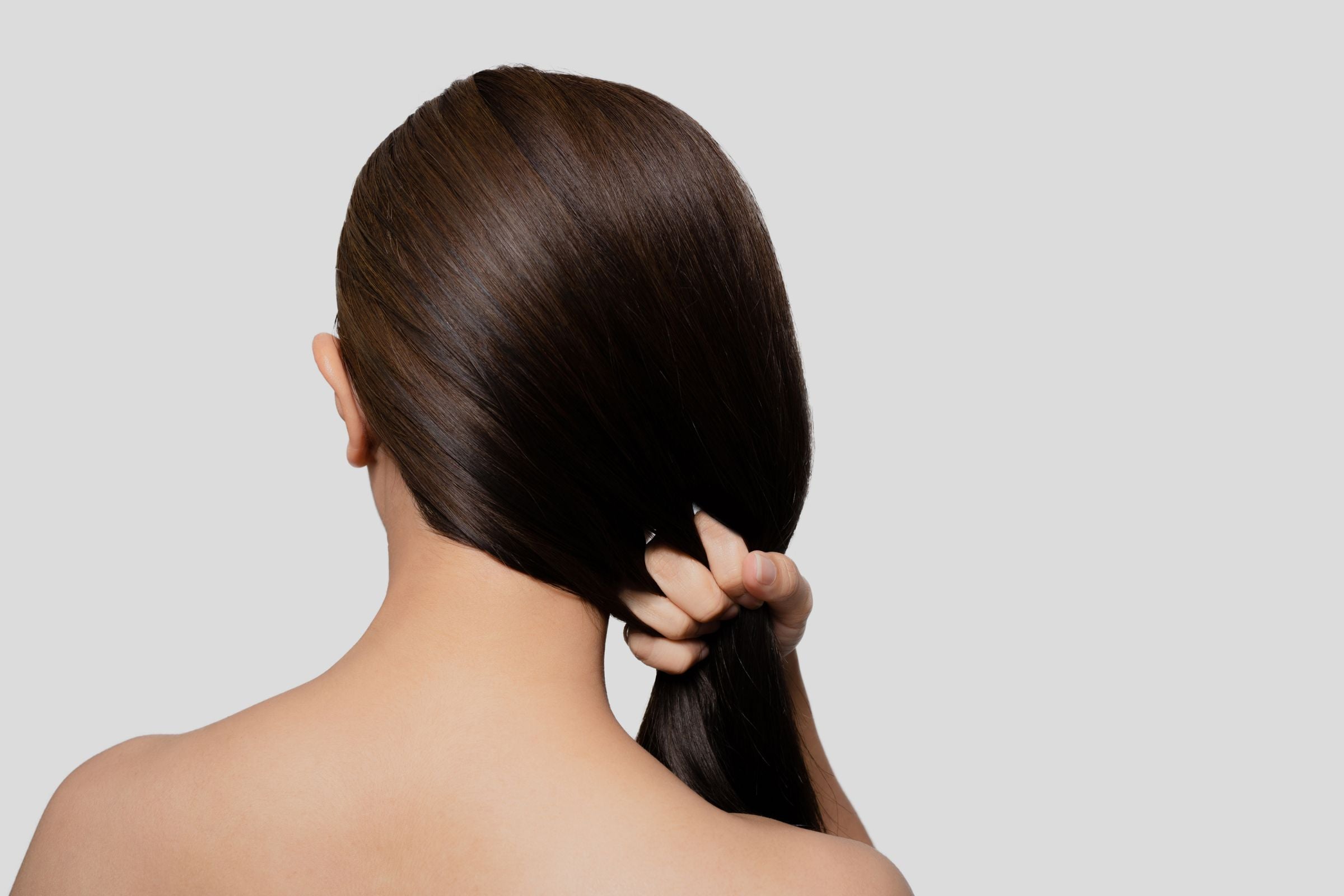
In a world where hair trends shift constantly, embracing your natural hair color can be a profoundly empowering choice. Growing out your natural hair color has become increasingly popular for various reasons. Here are some key motivations for reclaiming your natural hue:
Prioritizing Hair Health
Chemical treatments, such as hair dye and bleach, can significantly compromise the health of your hair. By choosing to embrace your natural hair color, you eliminate the need for harsh chemicals, allowing your hair to regain its strength, vitality, and overall health. This choice fosters a rejuvenated appearance and enhances your hair’s natural beauty.
Cost-Effective Hair Care
Maintaining colored hair can quickly become an expensive undertaking. Regular salon visits for touch-ups, color corrections, and ongoing maintenance can accumulate significant costs over time. Transitioning to your natural hair color enables you to save money on frequent appointments, allowing you to invest in nourishing hair treatments instead.
Convenience and Simplified Hair Care
Colored hair often necessitates regular upkeep to maintain the desired shade and manage noticeable roots. By returning to your natural hair color, you liberate yourself from the constant need for touch-ups, simplifying your daily hair care routine and providing you with more valuable time in your busy schedule.
Celebrating Authenticity and Individuality
Your natural hair color is an integral part of your unique identity. By embracing and accepting your natural hue, you express your authentic self, celebrating your individuality and the inherent beauty that comes with it. This journey fosters a deeper connection to who you are and enhances your confidence.
Effective Tips and Strategies for Successfully Growing Out Your Natural Hair Color
Growing out your natural hair color requires thoughtful preparation to ensure a seamless and rewarding transition. Consider these helpful tips:
- Evaluate your current hair color: Take a close look at the current state of your hair color, noting any artificial dyes or treatments you may have used. Understanding your starting point is crucial in setting realistic expectations for the growing-out process.
- Establish a realistic timeline: Determine a timeline that aligns with your preferences and lifestyle. Growing out your natural hair color is a journey that demands patience, so it’s essential to create a timeline that suits your personal goals.
- Seek professional guidance: If you’re unsure about how to approach the process or have specific concerns, consulting with a hairstylist is highly recommended. A professional can evaluate your hair, provide tailored recommendations, and help you devise a comprehensive plan that caters to your needs.
Stay Updated with Our Newsletter Subscribe Now
for more blog updates and exclusive discounts
The Role of Regular Haircuts in Your Transition
Scheduling a suitable haircut can significantly enhance your experience as you grow out your natural hair color. Here are some key considerations:
- Regular trims are crucial: Consistent trims help maintain healthy hair as you navigate the process of growing out your natural color. By trimming away split ends and damaged portions, you can promote overall hair health and prevent breakage, ensuring your hair looks and feels its best.
- Select a transitional haircut: A skilled hairstylist can assist you in choosing a transitional haircut that harmoniously blends with your growing natural color. This may involve adding layers, creating dimension, or employing other techniques that minimize the visible contrast between your natural roots and color-treated sections.
Nurturing Your Hair with Optimal Products
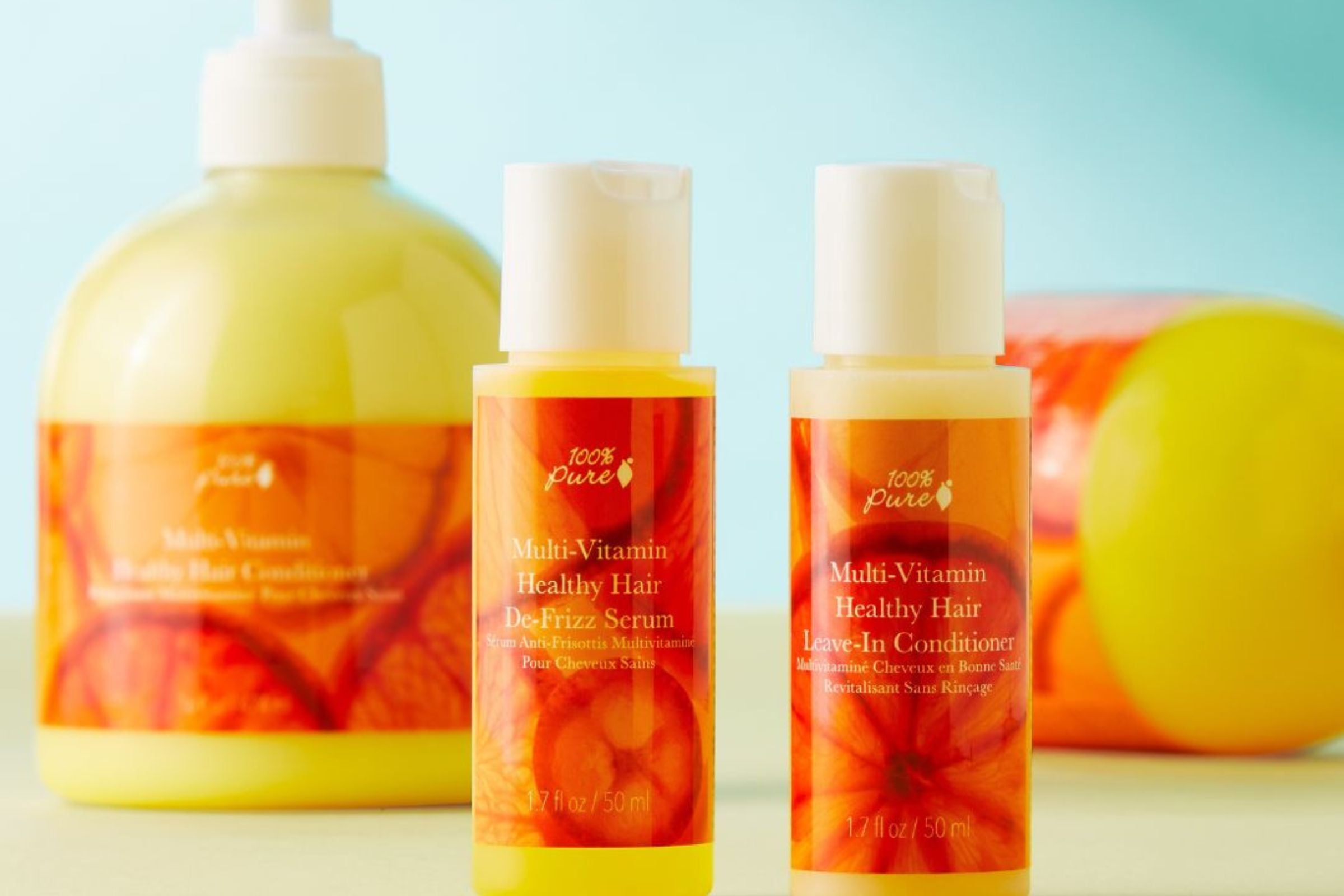
To support the health and vitality of your hair during the growing-out phase, it’s vital to utilize products specifically formulated to nourish and protect hair. We particularly recommend exploring our Multivitamin line, which includes an array of products such as shampoo, conditioner, leave-in conditioner, and serum to promote optimal hair health.
Essential Maintenance Tips as Your Natural Hair Grows
As your natural hair color grows out, providing it with the necessary care and attention is crucial for maintaining its shine and softness. Here are some essential maintenance tips to keep your hair looking fabulous during this transition:
- Prioritize hydration: Keep your hair well-hydrated by using a moisturizing conditioner regularly. Dryness can lead to brittleness and breakage, so ensuring adequate moisture levels is vital for healthy hair growth.
- Protect against heat and styling damage: Minimize the use of heat styling tools and excessive styling to prevent damage to your hair. When styling is necessary, always use a heat protectant spray and opt for heat-free styling methods whenever possible.
- Experiment with hair accessories: Utilize fun and stylish hair accessories such as headbands, scarves, or clips to add flair to your growing hair. These accessories can enhance your confidence and allow you to express your unique style throughout the transition.
Remember, the journey of growing out your natural hair color is deeply personal, and each person’s experience will be different. Embrace the process, practice patience, and enjoy the transformation as you reclaim your roots and celebrate your natural beauty.
Confronting Common Challenges During Your Transition
Growing out your natural hair color can present several challenges, but with the right strategies in place, you can successfully navigate them. Below are some common challenges you may face along with tips for overcoming them:
Managing Color Contrast and Demarcation Lines
One of the primary concerns when growing out your natural hair color is the noticeable contrast between your natural roots and previously colored areas. This color difference can create demarcation lines that make the transition more apparent. Here’s how to effectively address this challenge:
- Utilize blending techniques: Consider employing blending techniques such as balayage or ombre to diminish the contrast. These methods involve strategically lightening or darkening certain sections of your hair, resulting in a smoother transition from the colored portions to your natural roots.
- Explore temporary color solutions: In the initial stages of growth, using temporary color solutions, like root touch-up sprays or powders, can help conceal demarcation lines. These products provide temporary coverage and assist in blending the colors until your natural hair has fully grown out.
Effectively Managing Varying Hair Textures
As your natural hair color begins to grow out, you may notice differences in texture between your natural roots and previously treated hair. Here are some strategies for managing varying hair textures during this transition:
- Schedule regular trims: Arrange regular trims with a stylist who understands your hair’s unique needs. Trimming the ends of your hair can help eliminate any damaged or treated areas, promoting healthier growth and minimizing textural contrast.
- Maintain a deep conditioning routine: Establishing a consistent deep conditioning routine is vital for nourishing and moisturizing your hair. Deep conditioning treatments can enhance your hair’s overall health and manageability, reducing the appearance of texture variations.
Coping with the Patience Required During Growth
Growing out your natural hair color is a process that demands time and patience. The waiting period can be challenging, especially if you’re eager to see the transformation. Here are some tips to help you cope with the duration:
- Set realistic expectations: Understand that hair growth is a gradual process, and individual growth rates vary. Establishing realistic expectations will help you maintain a positive outlook and patience throughout your journey.
- Focus on overall hair health: Rather than fixating on immediate results, shift your focus to nurturing your hair’s overall health. Use this time to establish a healthy hair routine that includes proper cleansing, conditioning, and regular scalp massages. By prioritizing nourishment, you lay the foundation for vibrant, natural hair color.
Addressing Frequently Asked Questions About Growing Out Natural Hair Color
How long does it typically take to fully grow out dyed hair?
The duration required to completely grow out dyed hair varies significantly based on individual factors such as hair growth rate and length. On average, hair grows approximately half an inch (1.25 cm) per month. Therefore, if you have shoulder-length hair and aim to fully transition to your natural color, it may take around 12 to 18 months. However, keep in mind that this timeline can fluctuate depending on your unique circumstances.
What products can support and enhance the growth process?
While there are no miracle products that can drastically accelerate hair growth, utilizing products that promote overall hair health can create an optimal environment for growth. Look for products featuring ingredients like biotin, keratin, essential vitamins (such as Biotin, B-vitamins, and vitamin E), and natural oils (such as argan oil or rosemary oil). These components can nourish your hair and potentially support healthy growth.
How can I effectively manage the demarcation line between dyed and natural hair?
To manage the demarcation line between dyed and natural hair during the growth-out phase, consider visiting a professional hairstylist. They can employ color blending techniques such as balayage, baby lights, or color melting to gradually blend the color difference, facilitating a smoother transition. Additionally, utilizing temporary color solutions like root touch-up sprays, powders, or mascaras that match your natural color can effectively conceal the demarcation line. Furthermore, experimenting with hairstyles that strategically hide the demarcation line, such as braids, twists, updos, or textured styles, can also be beneficial.
What hairstyles can help disguise the transition phase?
During the transition period, various hairstyles can effectively conceal the contrast between dyed and natural hair. Consider styles such as braids, headbands, scarves, and updos to effortlessly blend the colors and maintain a polished look!
What should I consider if I decide to color my hair again?
If you choose to color your hair again after growing out your natural color, it’s essential to weigh the potential impact on your hair’s health and the need for ongoing maintenance. Consulting with your stylist can provide valuable insights on the best options for your hair type and lifestyle moving forward.
Growing out your natural hair color symbolizes a journey of self-discovery, self-acceptance, and a celebration of your authentic beauty. Throughout this extensive guide, we have examined the intricacies of the hair growth process, discussed the motivations for returning to your natural color, shared valuable tips and strategies for a successful transition, and addressed common challenges you may encounter.
Ultimately, the key to successfully growing out your natural hair color lies in patience, self-care, and a commitment to embracing the journey. Establish realistic expectations, consult with professionals as needed, and maintain a consistent hair care routine. Regular trims, transitional hairstyles, and nourishing products are all essential elements to ensuring your hair remains healthy and vibrant.
Reclaiming your roots and growing out your natural hair color is not merely a physical change, but also an empowering opportunity for personal growth and self-affirmation. Embrace the journey, celebrate your unique identity, and let your natural beauty shine brightly.
We invite you to share your experiences, questions, and tips as you embark on this exciting journey. Connect with us and join the conversation. Together, let us support and inspire one another as we reclaim our roots and wholeheartedly embrace our natural tresses.
Remember, your natural hair color is a beautiful reflection of your individuality and authenticity. Embrace it, nurture it, and allow it to be a testament to your true self.
