


In today’s fast-paced world, we often find ourselves grappling with modern hair dilemmas like dryness, frizz, and hair loss due to styling tools and stress. However, hair oiling, an age-old practice deeply rooted in Ayurveda and other ancient traditions, is making a remarkable comeback as a solution. This time-tested ritual not only nourishes and strengthens your hair but also transforms bad hair days into a thing of the past, providing a holistic approach that rejuvenates your hair and calms your mind.
As the original self-care ritual, hair oiling enhances the beauty, health, and strength of your strands, effectively addressing a myriad of hair challenges. It is not just a treatment for your hair; it is a soothing experience that benefits your overall well-being. By incorporating this practice into your routine, you embrace a tradition that has stood the test of time, allowing you to connect with your roots while achieving vibrant and luscious locks.
Exploring the Rich History and Scientific Validation of Hair Oiling
The practice of hair oiling is far from a mere trend; it is a ritual with a rich history that has been trusted across cultures for centuries. Originating in Ayurveda, the ancient Indian system of medicine, hair oiling was traditionally employed not just to nourish hair but also to calm the mind and restore balance within the body by harmonizing the doshas. This holistic approach underscores the significance of self-care in ancient practices.
Various traditional oils, including coconut, sesame, and amla, were revered for their potent strengthening and rejuvenating properties. Beyond India, other cultures, particularly those in the Middle East and Africa, embraced hair oiling with oils like argan and castor to maintain healthy and radiant hair amidst challenging climates. This cross-cultural adoption highlights the universal recognition of the benefits of oiling.
Modern science has corroborated what ancient cultures have known for centuries: hair oiling is effective. Studies reveal that oils such as coconut can penetrate the hair shaft, significantly reducing protein loss and protecting the strands from damage. These oils also create a moisture-sealing barrier, combating dryness while shielding hair from environmental aggressors like pollution and heat. Furthermore, regular scalp massages with oil enhance blood circulation, thus promoting hair growth and overall scalp health.
Unlocking the Comprehensive Benefits of Regular Hair Oiling
Engaging in hair oiling provides a holistic care package for your scalp and strands. This timeless practice effectively addresses contemporary hair issues, such as repairing dryness and preventing breakage, ensuring that your hair stays vibrant and healthy.
- Deep Nourishment and Moisturization for Hair
Oils serve as superfoods for your hair, penetrating the fibers deeply to deliver intense hydration and nourishment. By addressing dryness, they restore the natural softness and shine of your hair, leaving it looking revitalized and full of life. The rich nutrients in these oils work to enhance your hair’s overall appearance and health, making it an essential part of your self-care routine.
- Frizz Control and Enhanced Smoothness
Bid farewell to pesky flyaways! Regular oiling helps tame frizz and enhances the smoothness of your hair, making it a transformative practice for those with curly, coarse, or textured hair. By locking in moisture, it leaves your mane sleek, shiny, and effortlessly manageable, giving you the confidence to flaunt your hair in any style.
- Promoting Scalp Health and Encouraging Hair Growth
Scalp massages with oil are not only a relaxing experience; they also rejuvenate the scalp. The increased blood circulation from these massages delivers essential nutrients directly to the hair follicles, potentially boosting growth and fostering a healthier scalp environment that encourages vibrant hair.
Oils strengthen your hair by forming a protective barrier that reduces breakage and prevents split ends. By making hair oiling a regular part of your routine, you ensure your locks remain resilient, minimizing damage while maximizing length retention, ultimately contributing to your hair’s overall health and longevity.
Choosing the Ideal Oil for Your Unique Hair Type
Selecting the perfect oil tailored to your hair type is crucial for unlocking its full potential. Regardless of whether your hair is dry, fine, curly, or sensitive, there exists an oil designed to cater to your specific needs. Here’s how to find the best match:
For Dry and Damaged Hair
Choose heavier oils such as 100% PURE Organic Rosehip Oil and 100% PURE Argan Oil, which deeply moisturize and repair damage effectively. Following up with 100% PURE Burdock & Neem Healthy Scalp Shampoo will help maintain a nourished, balanced scalp, promoting overall hair health and vitality.
For Fine or Oily Hair
Opt for lightweight oils like 100% PURE Organic Marula Oil, which provide hydration without weighing down fine strands. Pairing this with 100% PURE Kelp & Mint Volumizing Shampoo will keep your hair feeling fresh, light, and bouncy, enhancing your hair’s natural beauty.
For Curly or Coarse Hair
Rich oils, such as 100% PURE Argan Oil or blends that include Organic Rosehip Oil, are excellent for taming frizz and locking in hydration. Following the oiling process with 100% PURE Honey & Virgin Coconut Restorative Conditioner can provide even more manageability, moisture, and smoothness for your curls.
Soothing oils like 100% PURE Organic Rosehip Oil or lightweight, gentle 100% PURE Organic Marula Oil are ideal for calming irritation. Enhance your routine with 100% PURE Burdock & Neem Healthy Scalp Shampoo, which offers a gentle, scalp-friendly cleanse, ensuring comfort and care.
Your Comprehensive Step-by-Step Guide to Effective Hair Oiling
Incorporating hair oiling into your routine is straightforward and incredibly rewarding. Follow this step-by-step guide to maximize the benefits of this enriching practice:
Step 1: Warm the Oil for Enhanced Benefits
Begin by warming your chosen oil slightly—just a few seconds in a bowl of hot water will suffice. Warm oil penetrates the scalp and hair more effectively, optimizing its nourishing and hydrating properties, ensuring that your hair receives the full benefits of the oil.
Step 2: Apply Oil to Scalp and Hair for Maximum Coverage
Divide your hair into manageable sections and apply the oil directly to your scalp. Use your fingertips to massage it in using gentle circular motions, then work the oil through the mid-lengths and ends for thorough coverage. This technique ensures that every strand gets the moisture it craves.
Step 3: Mastering Scalp Massage Techniques for Better Results
Scalp massage is not just a soothing experience; it is highly beneficial for your hair health. Use your fingertips to apply gentle pressure in circular movements, stimulating blood flow and enhancing the health of hair follicles. Just a few minutes of this practice can yield significant improvements!
Step 4: Allow the Oil to Sit for Optimal Absorption
Leave the oil in your hair for at least 30 minutes to allow it to work its magic. For deep conditioning benefits, consider leaving it in overnight, covering your hair with a towel or shower cap to protect your bedding while the oil deeply nourishes your hair.
Step 5: Rinse and Shampoo for a Fresh, Clean Finish
Thoroughly rinse the oil out using a gentle, sulfate-free shampoo like 100% PURE Glossing Shampoo. This ensures that your hair is clean, shiny, and free from greasiness, ready to radiate health and vitality.
Optimal Frequency and Tips for Seamless Hair Oiling Integration
Incorporating hair oiling into your routine can be enjoyable rather than burdensome. By determining the right frequency and making simple adjustments, you can reap the benefits of this ancient practice without disrupting your daily schedule. The key lies in customizing your approach based on your hair type and specific needs.
For Dry or Damaged Hair: Aim for treatment once a week to restore moisture and repair damage effectively.
For Oily or Fine Hair: Limit oiling to once every two weeks to avoid overwhelming the scalp.
For Curly or Coarse Hair: Consider oiling 1–2 times per week to hydrate and keep frizz at bay.
For those with busy schedules, consider applying oil the night before you wash your hair or using a small amount on your ends as a leave-in treatment. Balance your oiling routine with deep conditioning treatments or hair masks to maintain overall hair health while ensuring your locks look their absolute best.
Essential 100% PURE Oils for an Effective Hair Oiling Regimen
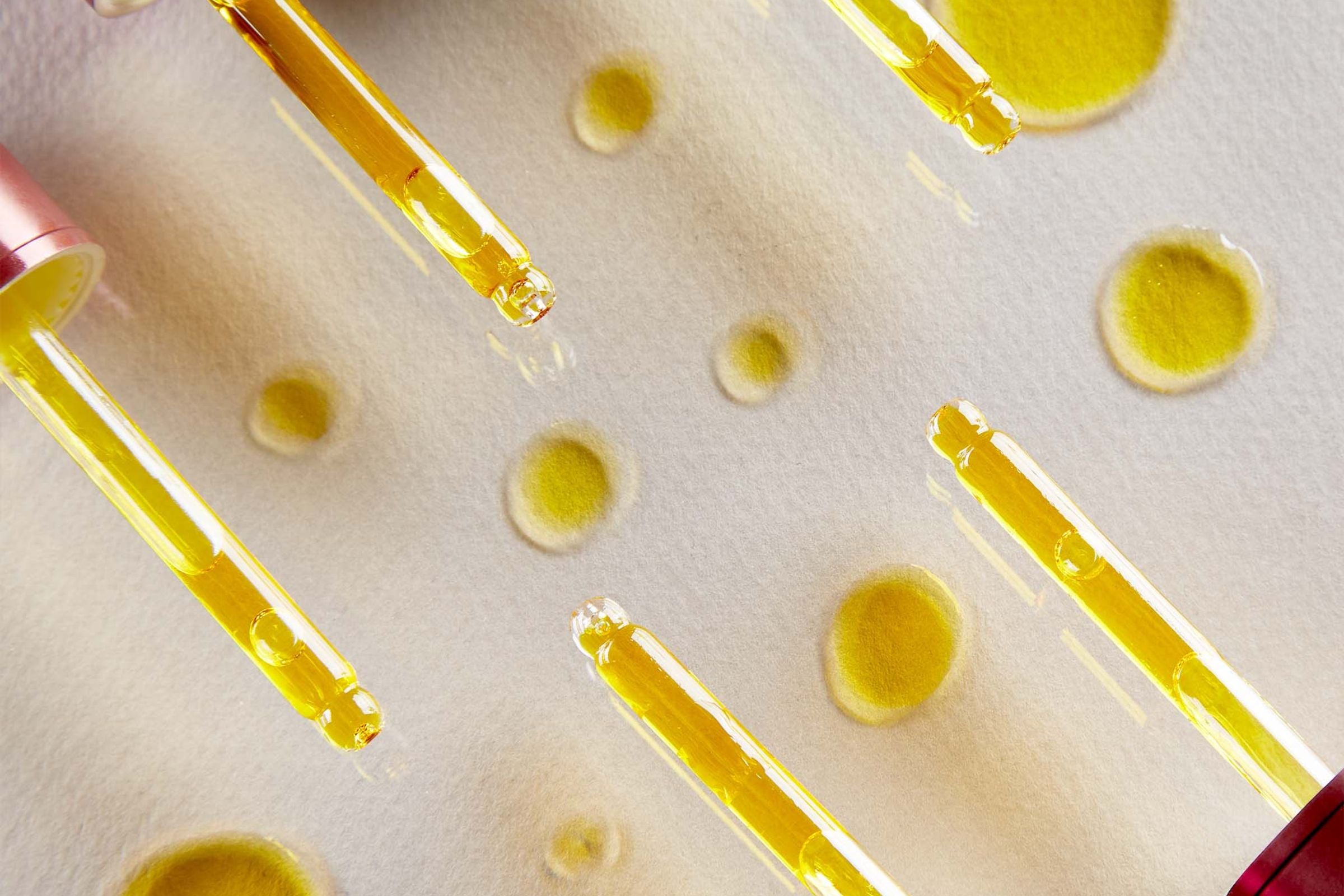
100% PURE offers a diverse range of oils tailored to meet various hair needs, from deep hydration to gentle nourishment. Here are some of the top oils to elevate your hair care routine:
100% PURE Argan Oil
Argan oil acts as a deep moisturizer packed with vitamin E and fatty acids, making it an excellent choice for nourishing dry or damaged hair. It is particularly effective in combating frizz, making it a favorite among individuals with curly or coarse hair types that require additional hydration and smoothness.
100% PURE Organic Rosehip Oil
Rosehip oil is perfect for those with sensitive scalps or hair needing restoration. Rich in vitamins and antioxidants, it hydrates deeply while repairing damage without weighing the hair down. It serves as an excellent option for treating damaged strands while maintaining a light, balanced feel.
100% PURE Organic Marula Oil
For individuals with fine or oily hair, marula oil represents a lightweight yet hydrating solution. It delivers moisture without the heaviness, making it ideal for those seeking nourishment without dealing with greasy strands. It’s a fantastic choice for achieving a fresh, non-greasy finish.
Frequently Asked Questions About Hair Oiling
Can hair oiling lead to scalp buildup?
While hair oiling can effectively nourish and hydrate, excessive application or improper rinsing can indeed result in buildup. To prevent this, it’s important to use the appropriate amount of oil and thoroughly wash it out with a gentle, sulfate-free shampoo to avoid clogging pores and accumulating residue on the scalp.
What is the ideal duration for leaving oil in my hair?
For optimal results, aim to leave the oil in for at least 30 minutes. For more intensive treatment, you can leave it overnight, just remember to cover your hair with a towel or cap to protect your bedding from any oil transfer.
What’s the best method for removing excess oil after treatment?
To remove excess oil effectively, use a gentle, sulfate-free shampoo. Begin by wetting your hair and massaging the shampoo directly onto the oil to emulsify it before rinsing thoroughly. You may need to shampoo twice to ensure complete removal of any remaining oil.
Is it safe to oil colored or chemically treated hair?
Yes, hair oiling is safe for colored or chemically treated hair. In fact, oils like argan or rosehip can assist in restoring moisture, repairing damage, and keeping your hair looking healthy. Just ensure that you choose oils that nourish without adding excess weight to your hair.
Can I create a customized oil blend for my hair?
Absolutely! Mixing oils allows you to address multiple hair concerns simultaneously. For instance, combining argan oil for moisture with tea tree oil for scalp health or lavender oil for its soothing properties can result in a personalized blend that caters to your specific needs. Just be sure to balance the proportions to avoid overloading your hair.
Embrace Hair Oiling for Ultimate Hair Wellness
The ancient practice of hair oiling serves to nourish both your scalp and strands, restoring moisture and vitality. By using natural oils, you can cultivate a rejuvenating self-care ritual that supports long-lasting hair wellness and a healthy, radiant appearance.
