


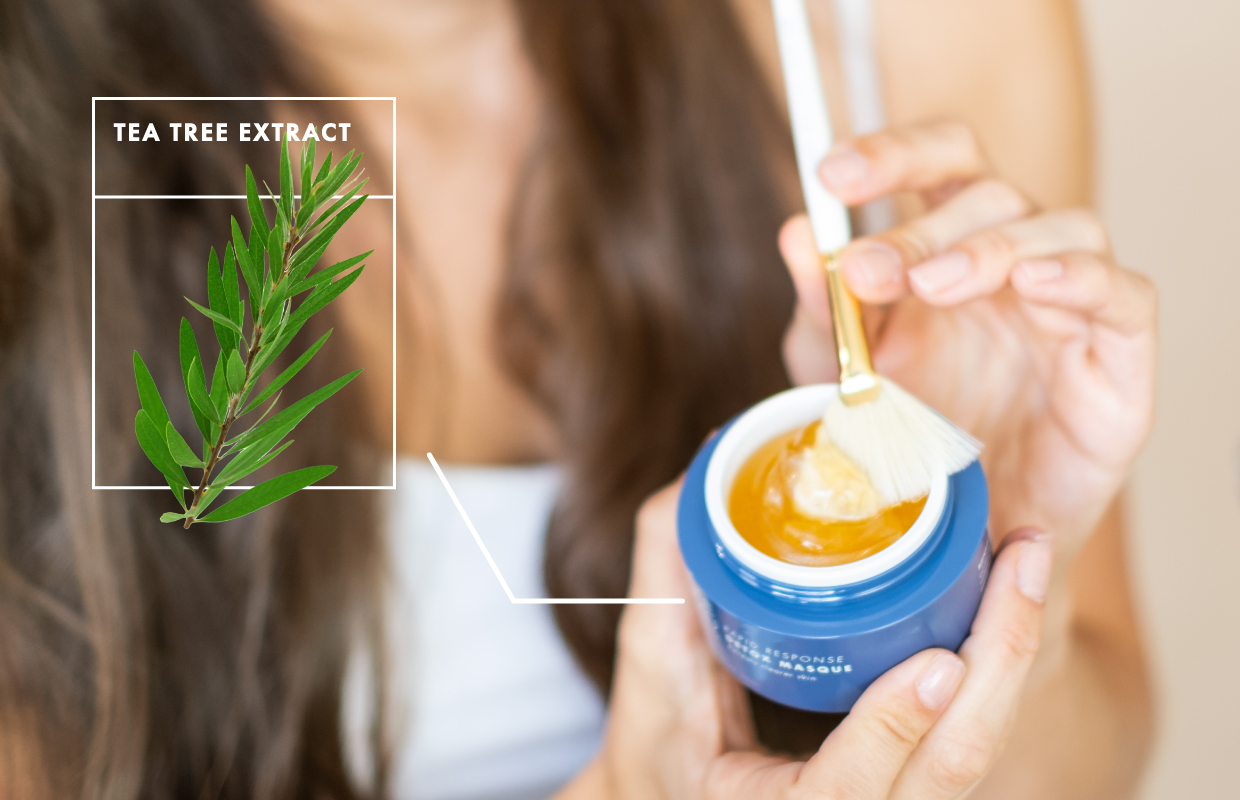
As an esthetician with an impressive 35 years of experience in treating acne, I truly understand the complexities involved in selecting effective products and ingredients that can not only clear existing breakouts but also prevent future ones. Breakouts manifest in various forms—ranging from cysts and pustules to papules—and each type requires a tailored approach. However, through my extensive practice, I have identified one standout ingredient that consistently delivers remarkable results: Tea Tree Oil. My curiosity led me to explore the science behind this powerful oil, and after conducting laboratory tests, the findings were astonishing! Read on to discover everything you need to know about my top skincare ingredient, Tea Tree Oil.
Unlocking the Benefits of Tea Tree Oil for Skincare
Originating from the vibrant landscapes of Australia and now cultivated in regions such as India, New Zealand, and China, tea tree oil boasts a rich history in both traditional medicine and modern beauty practices. This remarkable oil is extracted through the steam distillation of the leaves from the Melaleuca alternifolia tree, known for its multifaceted applications in skincare. Long before the scientific community recognized its benefits, the Aboriginal Australians utilized tea tree leaves to treat various ailments, including bruises, skin infections, wounds, and insect bites, showcasing its versatility and effectiveness.
Similar to other plant-derived ingredients such as willow bark, chamomile extract, and witch hazel, numerous studies validate the efficacy of tea tree oil in managing acne-prone skin. This powerful oil is characterized by three key properties that enhance its skin benefits: it possesses strong anti-inflammatory properties, acts as a potent antibacterial agent, and serves as a solvent that helps dissolve dirt, oil, and debris that can clog pores. These combined effects make tea tree oil an invaluable ally in the fight against acne.
Harnessing the Power of Tea Tree Oil to Fight Acne
The Antibacterial Powerhouse of Tea Tree Oil
Research has established that tea tree essential oil is an exceptionally powerful antibacterial, antifungal, antiviral, and anti-parasitic agent—this is also what makes it a highly effective insect repellent. Much of this efficacy can be attributed to the compound Terpinen-4-ol, which excels at disrupting the protective barrier of bacteria. This disruption compromises their membrane integrity and function, effectively dismantling their defense mechanisms and allowing the body to combat these harmful microorganisms more efficiently.
Our Scientific Approach to Testing Tea Tree Oil’s Acne-Fighting Effects
Given that tea tree oil is the star ingredient in our highly sought-after product, the Rapid Response Detox Masque, it was only logical to rigorously test its acne-fighting capabilities. So, what does this testing entail? Get ready for a deep dive into the science behind skincare!
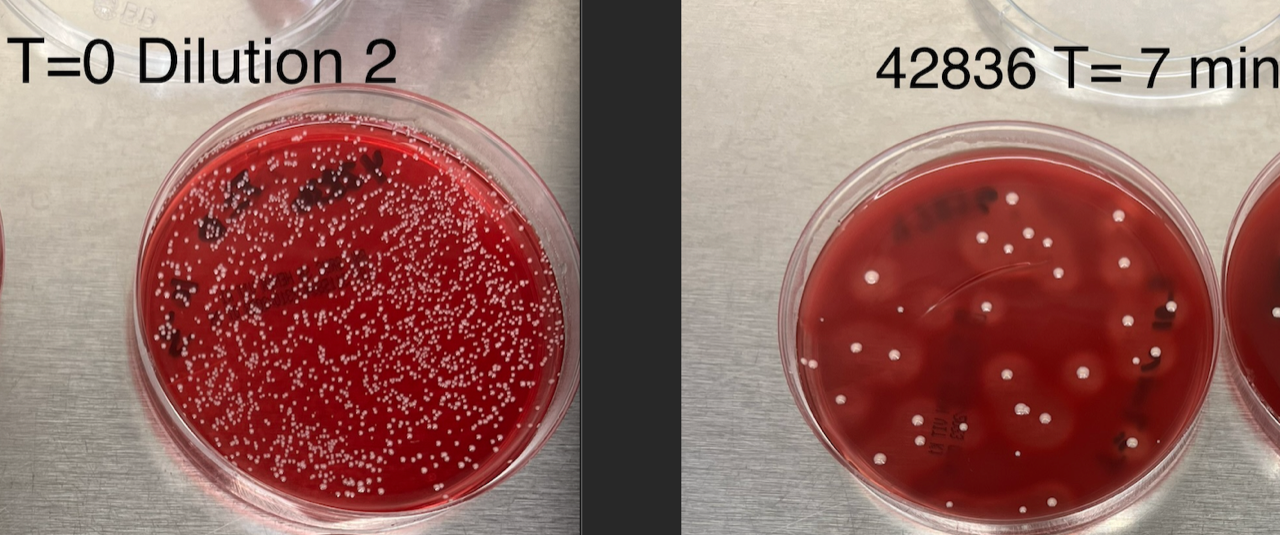
The testing process begins with culturing the bacteria responsible for acne, specifically C. acnes, in a nutrient-rich broth until we have a sufficient quantity for analysis. Once we achieve this, we expose the broth to the Rapid Response Detox Masque. We take an instant measurement, referred to as t=0, to determine the initial bacterial count. After a brief period of 7 minutes (t=7), we measure the remaining amount of bacteria in the broth and compare it to the initial count, allowing us to calculate the percentage reduction of acne-causing bacteria.
The effectiveness of the Rapid Response Detox Masque hinges on three critical measurements: the initial bacterial count (t=0), the count after 7 minutes (t=7), and the percentage reduction achieved. This systematic approach ensures that we accurately assess the product’s ability to combat acne.
Analyzing the Results of Our Tea Tree Oil Study
Initially, we recorded a bacterial count of 2.7 x 10^6. At t=0, the count was slightly reduced to 2.6 x 10^6, indicating a 3.7% decrease in bacteria almost immediately. While this may seem modest, it’s essential to consider that complete eradication of acne-causing bacteria in such a short time frame is unrealistic, making this initial result very promising.
After just 7 minutes (t=7), we conducted the final measurement to assess the remaining acne-causing bacteria in the petri dish. The results were astonishing—we recorded a count of just 3.0 x 10^4, resulting in an impressive 98.89% decrease in bacteria. Yes, you read that correctly—a staggering 98.89% reduction in acne-causing bacteria! Even I was taken aback by the effectiveness of this product!
Key Insights on Tea Tree Oil’s Effectiveness Against Acne
Now, let’s cut through the scientific jargon. The crux of the matter is this: the Rapid Response Detox Masque not only acts swiftly to control acne-causing bacteria but also promotes clearer skin by balancing harmful bacteria on the surface in just seven minutes. Infused with both tea tree and manuka oils, this mask acts as a comprehensive reset for the skin, effectively minimizing the appearance of active breakouts and promoting overall skin health.
Expert Tips for Effectively Using Tea Tree Oil for Acne Treatment
Direct Application of Tea Tree Oil vs. Formulated Products
Now that we’ve explored the impressive results of tea tree oil within a formulated product, let’s discuss its application in its pure form. While essential oils such as tea tree oil, eucalyptus oil, and lavender oil possess numerous benefits, it’s crucial to never apply them directly to the skin without proper dilution. Being an oil-soluble, aromatic extract from tea tree leaves, the terpenes in tea tree oil are potent compounds that can lead to skin sensitization if used undiluted. Interestingly, these oils are most effective at low concentrations, eliminating the need for a 100% solution on your skin. Therefore, tea tree oil is always best utilized within a product that contains complementary ingredients to enhance its efficacy.
If you happen to have pure tea tree oil at home and wish to use it, consider diluting it with a carrier oil such as jojoba, rosehip, or coconut oil. This practice not only hydrates the skin but also counters any potential drying effects of tea tree oil. A recommended dilution ratio is 99 grams of carrier oil for every 1 gram of tea tree oil.
Essential Application Tips for Using Tea Tree Oil Safely
If you are new to using tea tree oil, it’s crucial to conduct a patch test at home to ensure it is compatible with your skin type. While generally regarded as a safe ingredient, individual skin reactions can vary, so it’s always best to err on the side of caution.
If you notice any signs of redness, sensitivity, or irritation, it is essential to discontinue use immediately. For some skin types that exhibit an imbalance of acne-causing bacteria, tea tree oil may serve as an effective preventative measure. However, I typically advise against applying tea tree oil to anything other than active breakouts, as ingredients like salicylic acid and benzoyl peroxide are generally more effective for prevention. This is why I often recommend using salicylic acid products, such as the BHA Clarifying Serum, for ongoing prevention and the Rapid Response Detox Masque for treating existing breakouts. Nevertheless, all these ingredients are preferable to doing nothing at all!
Understanding the Timeline: How Soon Can You Expect Results from Tea Tree Oil?
While tea tree oil begins to work almost immediately, the timeline for visible results largely depends on the specific stage of a blemish’s life cycle. For instance, if you’re currently facing numerous active breakouts, your skin is likely already congested and inflamed. Even with the application of a tea tree oil product, it takes time for your skin to heal and for inflammation to subside.
Regrettably, this means you may not witness miraculous overnight improvements (what a bummer!), but the good news is that you are actively reducing acne-causing bacteria on your skin, bringing you one step closer to achieving a clearer and healthier complexion.
Essential Precautions and Potential Side Effects When Using Tea Tree Oil
Surprisingly, many consumers unknowingly purchase tea tree oil that is not genuine. Authentic tea tree oil possesses a distinctive chemical structure primarily composed of terpenes, which are essential for delivering the oil’s therapeutic benefits in skincare. It’s vital to verify the source of the tea tree oil in your products to fully benefit from its properties.
As a helpful tip: genuine tea tree oil will exhibit a high content of Terpinen-4-ol and a low level of cineol, or seek out products labeled as authentic Australian tea tree oil to ensure quality and effectiveness!
Exploring Effective Alternatives to Tea Tree Oil for Skin Health
For some individuals, whether due to allergic reactions or personal preference, tea tree oil may not be the perfect fit. Unfortunately, finding suitable substitutes can be challenging due to the unique chemical profile of tea tree oil. Nevertheless, a few alternatives can offer similar benefits.
Manuka Oil: A Powerful Tea Tree Oil Alternative
Derived from the Leptospermum scoparium plant, manuka oil is another member of the tea tree family. This oil is known for its exceptional antimicrobial properties, substantial terpene content, and a pleasant aroma often preferred over traditional tea tree oil.
Fun fact: the Rapid Response Detox Masque also incorporates manuka oil, enhancing its effectiveness against a variety of bacteria!
Eucalyptus Oil: A Complementary Alternative for Acne-Prone Skin
Eucalyptus oil shares a similar profile to tea tree oil but features different terpene ratios. Like tea tree oil, it also possesses antibacterial and anti-inflammatory properties, making it a viable option for managing acne-prone skin that experiences imbalances in oil production.
The Definitive Answer: Can Tea Tree Oil Help with Acne? Absolutely!
Without a doubt, yes! As a dedicated acne specialist, I can affirm that this ingredient is safe for use up to twice daily, though it’s particularly effective during periods of active breakouts. The study we conducted using the Rapid Response Detox Masque underscores its capacity to drastically reduce acne-causing bacteria in just 7 minutes. When incorporated into your skincare routine correctly, tea tree oil can be an invaluable asset in achieving healthier, clearer skin. While this post contains a wealth of information, my hope is that it serves as a valuable resource for you in your skincare journey.

Celebrity Esthetician & Skincare Expert
Renée Rouleau is a highly trained esthetician with expertise in cosmetic chemistry, having dedicated 30 years to understanding skin, educating her audience, and developing a renowned line of products. Her hands-on experience and commitment to skincare have led to the creation of tailored solutions for nine distinct skin types, ensuring that every individual receives the specific care their skin needs. Trusted by celebrities, editors, and skincare enthusiasts worldwide, her extensive knowledge and ongoing research have earned her accolades, with Marie Claire dubbing her “the most passionate skin practitioner we know.”
!function(f,b,e,v,n,t,s)
{if(f.fbq)return;n=f.fbq=function(){n.callMethod?
n.callMethod.apply(n,arguments):n.queue.push(arguments)};
if(!f._fbq)f._fbq=n;n.push=n;n.loaded=!0;n.version=’2.0′;
n.queue=[];t=b.createElement(e);t.async=!0;
t.src=v;s=b.getElementsByTagName(e)[0];
s.parentNode.insertBefore(t,s)}(window,document,’script’,
‘https://connect.facebook.net/en_US/fbevents.js’);
fbq(‘init’, ‘466707850347066’);
fbq(‘track’, ‘PageView’);
