

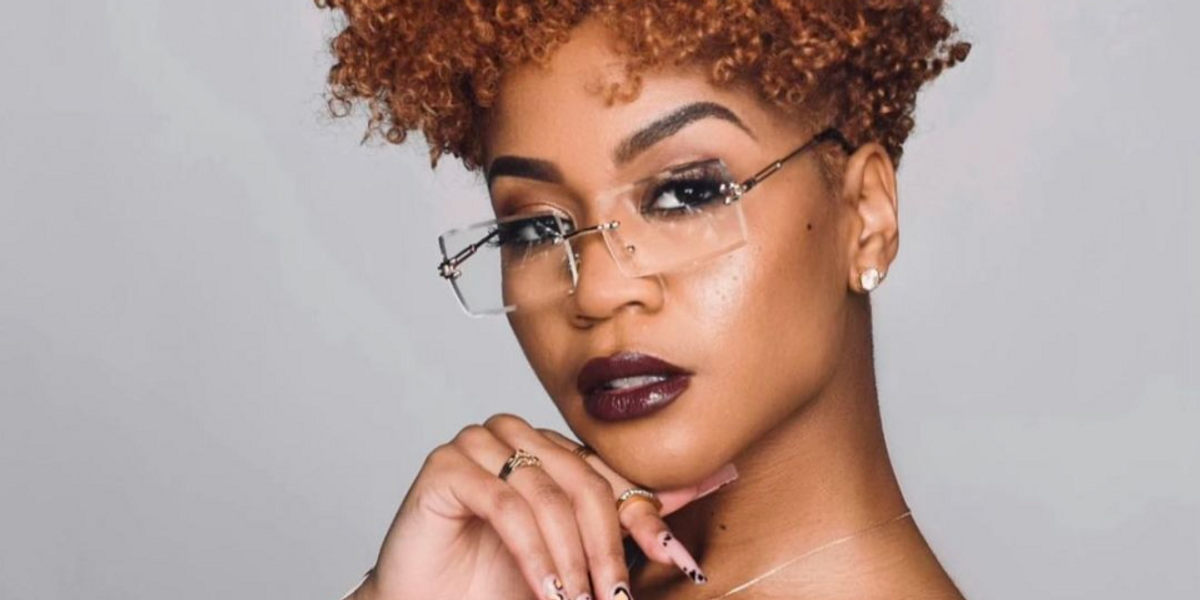
Through the practice of self-mothering, we possess the remarkable capability to nurture our own well-being in ways that are uniquely personal to us. This intentional and selfless act is deeply rooted in recognizing and advocating for our own needs. The journey we embark on may vary significantly from those around us and might look different depending on the particular phase of life we find ourselves in. However, at its essence, mothering ourselves is a transformative act of self-love that everyone deserves to experience.
The women featured in this article share their insightful journeys towards self-mothering, offering valuable lessons they’ve either learned or unlearned throughout their paths.
*Some responses have been edited for clarity.
Insights from a Writer, Speaker, and Editor on Self-Mothering
Courtesy of L’Oreal Thompson Payton
Self-mothering is fundamentally about bestowing upon yourself the love and care you need, desire, and rightfully deserve, particularly if your experiences with maternal figures have not aligned with your expectations. I have seen my mother embody the Strong Black Woman stereotype, and I found myself mirroring some of that behavior. However, as I navigated through life, I realized that this was not the legacy I wished to extend to my own daughter. Embracing softness and courageous vulnerability has become my priority. I allow myself to express emotions freely, apologize when I hurt others, and release the need to appear flawless. There are no rewards for maintaining a facade of perfection.
Physically, I have embraced fitness, which significantly contributes to my mental, emotional, and spiritual well-being—especially through engaging in Chelsea Jackson Roberts’s gospel flows, slow flows, and restorative yoga classes on Peloton. Interestingly, although I publicly reject the notion of ‘snapback culture,’ I still find myself critiquing my body for not returning to its pre-birth state. Accepting my postpartum body has been a challenge. I cherish the fact that it brought forth a healthy, joyful baby girl, yet I struggle with not feeling and looking like my former self. I remind myself that my daughter does not judge me; an extra 10-15 pounds does not define who I am. I am still the same person.
Writing in my journal and meditating whenever I can are practices I cherish. I relied on the Expectful app during my pregnancy and postpartum period, and I also find great value in Insight Timer. It is crucial to fill my own cup before I can support others. Over time, nurturing myself has become easier. I find engaging in self-care activities simpler than tackling the ‘real work’ of setting boundaries, declining requests without justification, and prioritizing my needs as I recover from being a people-pleaser. My journey in therapy continues to support me, and my husband and sister consistently remind me to ease up and stop overextending myself for others.
To women embarking on their self-mothering journeys, please be gentle with yourselves. Social media can create the false impression that you must complete your healing journey swiftly and that progress is linear. The reality is that healing is often a winding path filled with relapses and missteps. What truly matters is your ability to rise after each fall, replacing the negative inner critic with a nurturing voice that encourages you along the way.
Revelations from the Founder and Editor-in-Chief of Resolute Magazine on Nurturing Oneself
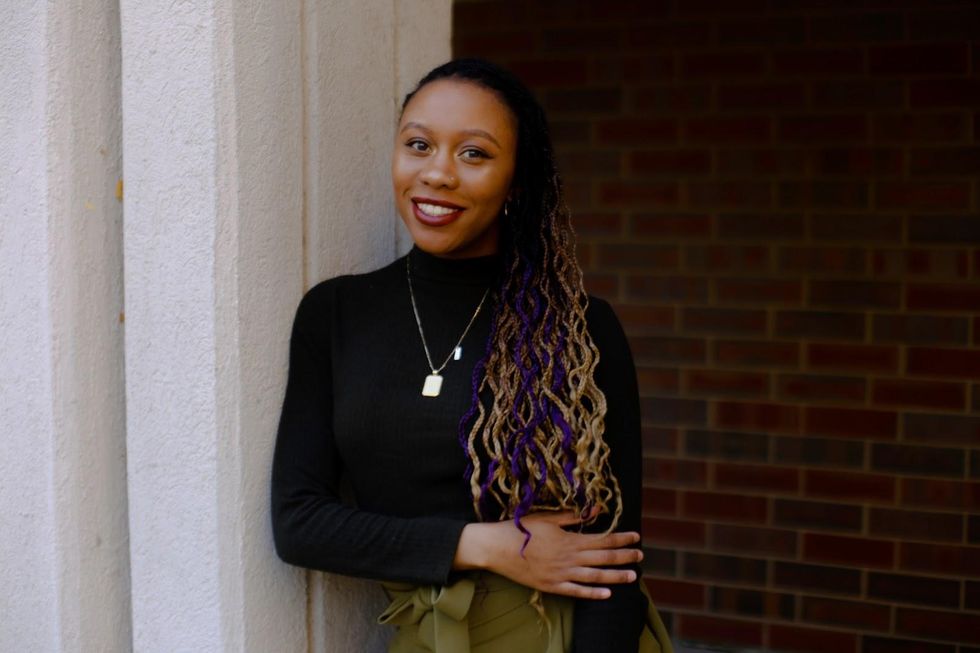
Courtesy of Danielle Celaya
Self-mothering signifies acknowledging my own needs, affirming that those needs are valid, and understanding that I don’t have to tolerate anyone who diminishes them. It embodies the act of showing up for myself in the ways my mother may have been unable to do. Not out of a lack of desire, but likely due to her own upbringing and circumstances. My mother, having to grow up rapidly, left a significant learning gap when it came to raising her children without having had a safe or nurturing childhood herself.
Throughout my upbringing, my mother created a support network of trusted women, including my aunts, who could provide the support she felt unable to offer. It’s a common experience in the Black community for women to consistently support others, often at the expense of their own needs. I witnessed this dynamic with my mom, aunts, and grandmother figures who continuously provided love and support, but too often to those who caused them harm. Thus, self-mothering can sometimes mean distancing oneself, but it can also involve engaging in challenging conversations, as not every situation requires simply walking away.
Equally important is the act of making space for personal joys. My journey with journaling began at 16 when my brothers gifted me my first journal. It became a serious practice during my internship in Washington, D.C., and since then, I’ve maintained this habit. Journaling serves as an outlet for expressing my feelings, both from my mind and my heart. Therapy has been instrumental in this process, and learning from experts like Nedra Tawwab, Dr. Thema Bryant-Davis, Tricia of The Nap Ministry, and Dr. Mariel Buque has helped me embrace my emotions instead of suppressing them.
Reading is another avenue through which I meet my needs. I indulge in books that spark joy; if I find a book unenjoyable, I don’t hesitate to put it down. I choose to spend time with individuals who allow me to be my authentic self and engage in candid conversations. I prioritize my own desires, participating in activities I enjoy, even if friends cannot join me. When I require rest, I allow myself to do so without guilt. I keep candles nearby as a simple way to care for myself during busier weeks.
As I’ve cultivated my ability to nurture myself, it has become a more natural practice. I’ve recognized that my well-being is paramount, regardless of others’ expectations. When I find myself neglecting self-care, I pause to recalibrate. There have been times when I canceled plans simply because I realized I hadn’t prioritized myself in a while. Those who truly care understand, while those who don’t, I’ve learned to distance myself from.
To other women embarking on their self-mothering journey, I urge you to practice self-compassion. Deprogramming from societal expectations, especially for Black women, can take considerable time and effort. Be gentle with yourself and embrace compassion in your journey.
Reflections from a PA-C, Mom, and Lifestyle Blogger on Self-Care
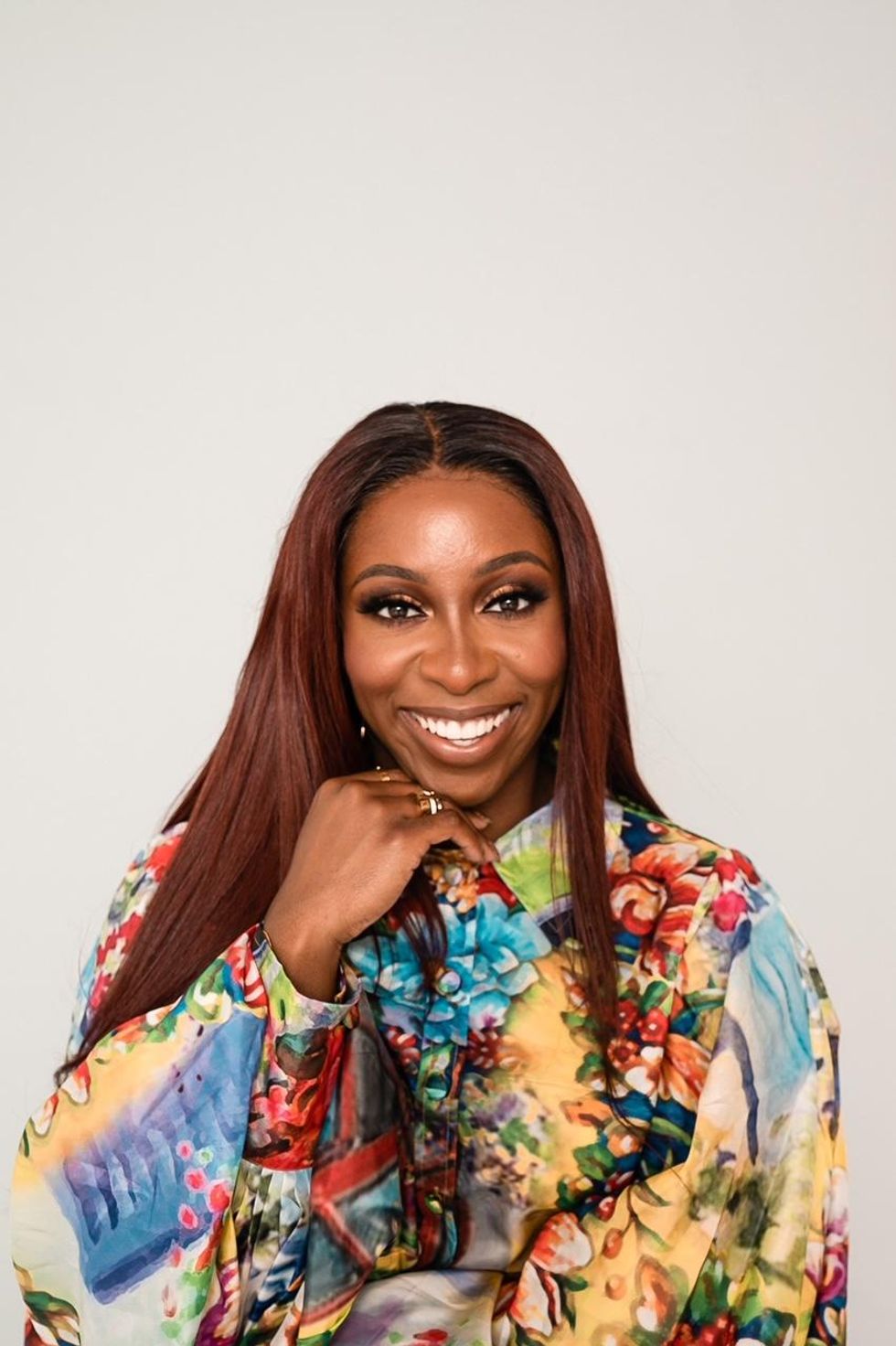
Courtesy of Onyi Azih
I perceive self-mothering as the act of nurturing oneself with kindness and compassion, particularly throughout one’s healing journey. It serves to bring a sense of calm to what may have previously been a tumultuous spirit. Self-mothering reinforces the idea that we are deserving of love, care, and respect. Initially, I faced challenges in recognizing culturally acceptable models of self-nurturing. The concept of ‘mom guilt’ often loomed over me, creating a pervasive sense of anxiety.
Engaging in simple acts, such as spending time alone away from my kids, would trigger feelings of guilt. However, I have come to understand that nurturing myself can take many forms and is entirely valid. I’ve learned that mom guilt is misleading. My efforts to be a good mother are reflected in my willingness to care for myself. Therapy, leaning on my support network for assistance with my children, and remembering that my happiness is essential for my kids have all contributed to this realization. Self-mothering is not an act of selfishness; it is a necessary step in teaching our children to love themselves.
“Self-mothering isn’t selfish. In order to fully give your kids permission to love themselves, you have to show them how.”
In my early years, my relationship with my mother was strained. I grappled with anxiety and anger—emotions I could have processed more effectively had I observed examples of self-nurturing and boundary-setting. I grew up witnessing my mother prioritize the needs of others over her own. I saw her struggle to establish boundaries that would have allowed her to advocate for herself. This dynamic is often touted as the essence of motherhood, isn’t it?
It’s unsurprising, considering she was the eldest daughter and an immigrant raising five children in a foreign land. She did her best with the resources and knowledge she had, yet she inadvertently missed the opportunity to teach me about self-nurturing. Given the overwhelming demands of adulthood, I became serious about my first love, yoga, to meet my self-care needs. I now practice yoga weekly and consult with a therapist during life’s inevitable challenges. I also prioritize speaking positively to myself, recognizing the power of words.
Lessons from the Owner of Vinti Trunk on Self-Nurturing

Courtesy of Anita Akinyemi
To me, self-mothering embodies the act of performing motherly actions for oneself. It involves ensuring that I am taking care of my mental, emotional, and physical needs. The relationship I share with my mother has profoundly influenced my life and the manner in which I care for myself. Throughout my upbringing, she consistently encouraged me to strive for my best. In my youth, I often resisted her opinions when they didn’t align with my own. As I matured, I recognized that her insights emerged from her care and experience. My mother faced the loss of her own mother as a teenager, and witnessing her navigate life as a motherless parent instills gratitude in me for her wisdom.
Meeting my own needs can be challenging, especially as a busy mother with limited time. My opportunities for rest have significantly decreased since motherhood took hold, and finding time to relax is often one of the simplest yet most impactful ways I care for myself. Additionally, I sought therapy, which has proven to be incredibly beneficial. I attend church weekly, yet I find that my private moments with God—when I pray and enjoy gospel music—fulfill many of my spiritual needs.
Nurturing myself often feels like a daunting task since I tend to prioritize others’ needs over my own. Thankfully, a supportive partner reminds me to carve out time for myself. Recently, I made a commitment to exercise again, granting myself “me time” outside the responsibilities of my business and household. Scheduling time for myself has made the act of nurturing myself much more manageable!
To other women embarking on this transformative journey, I would emphasize the importance of not losing sight of your own needs. Remember to reconnect with what brings you joy and actively work to create a schedule that accommodates those activities. This proactive approach will not only benefit you but will also allow you to flourish.
Wisdom from a Podcaster, Writer, and Speaker on the Importance of Self-Care
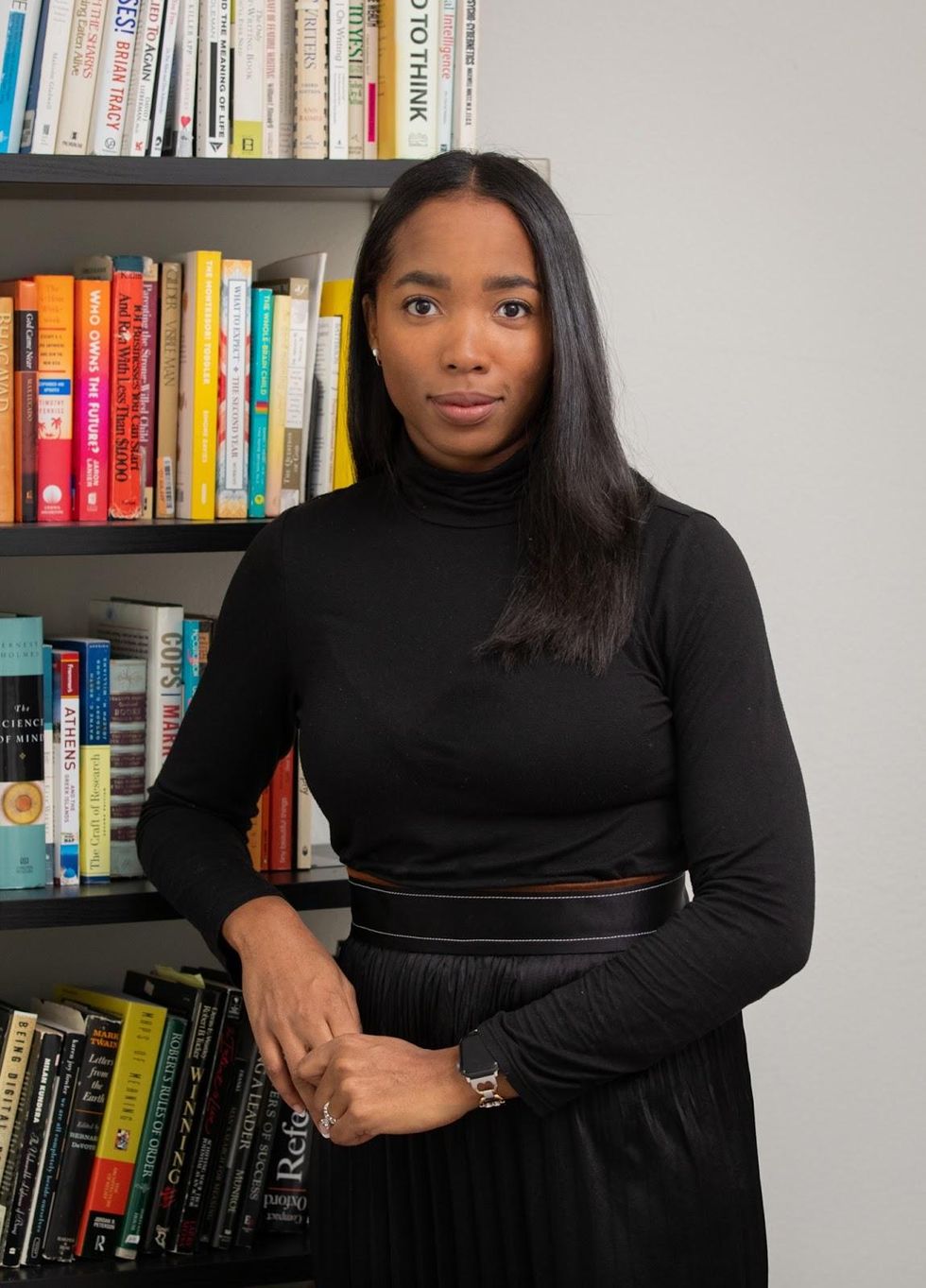
Courtesy of Earlina Green Hamilton
To me, self-mothering means caring for yourself in the same way your mother would. It is about prioritizing yourself, nurturing your own needs, advocating for yourself, and ensuring that you genuinely want the best for your well-being.
My mother was a single parent raising triplets alongside two other children. She did her utmost to provide for us and establish routines. As a former police detective, she often emphasized safety, instilling in us the importance of being aware of our surroundings. As she aged, she developed diabetes, and I witnessed the profound impact her health struggles had on her body and spirit. Her experiences have made me acutely aware of the need to cherish and honor my health as I grow older.
For my self-care, I engage in physical activities to address my body’s needs, journal to nurture my emotional well-being, and pray to support my spiritual health. I also refuse to allow people to drain my energy or take advantage of my kindness. Prioritizing self-nurturing is essential, and I do not make excuses when it comes to scheduling time for myself. Whether I need a massage, Ayurvedic bodywork, or a gym session, my husband and I coordinate our schedules to ensure I can take care of my needs. I believe that how I care for myself is directly reflected in how others treat me.
To women starting their self-mothering journeys, remember that you are responsible for your own well-being. It is not anyone else’s duty to ensure you adapt to the ever-changing and chaotic nature of life. Be kind to yourself and prioritize your needs. Invest in books, relationships, and resources that inspire you to think beyond your current circumstances. Set goals for your body, mind, and spirit, and commit to working towards them daily.
Insights from the Owner of Grazing Boards By Chipo on Self-Nurturing
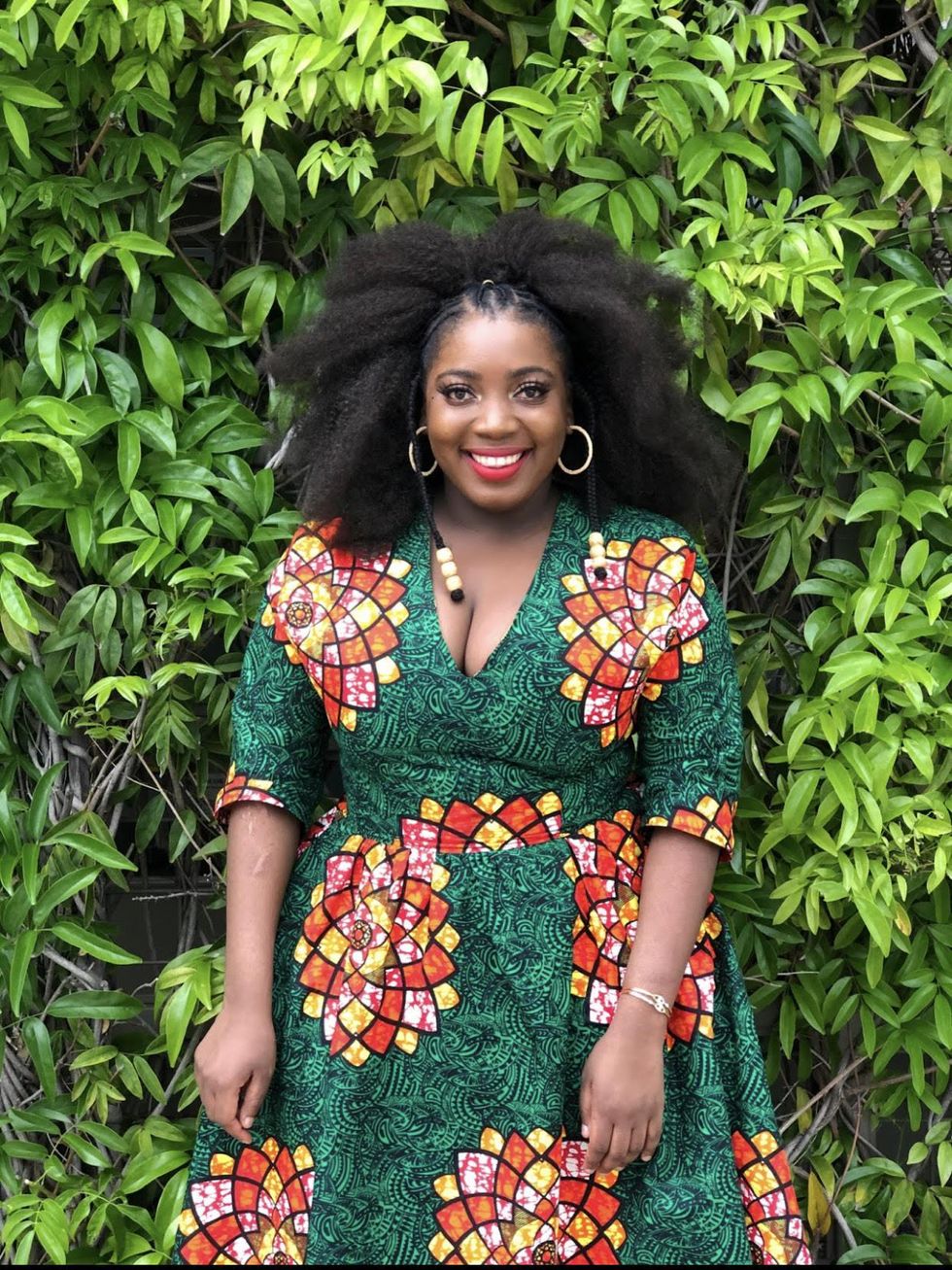
Courtesy of Chipo Size
Self-mothering is the intentional care I provide for myself to rejuvenate my spirit and soul as I navigate through life’s challenges. While I mother myself in ways reminiscent of my upbringing, I also carve out my unique approach. Growing up, I often perceived my mother as imperfect, leading to conflicts over various issues, especially her insistence on certain behaviors. Now, as an adult, I admire her resilience, recognizing that she, too, is human.
My mother was ever-present in my life, attending every sports event I can recall and facilitating open communication within our family of six girls. I rarely saw her take time for herself, except during family vacations. Now, over 30 years old, I grant myself immense grace. I actively carve out time in my weekly or daily schedule to unwind, whether that involves savoring a glass of wine or enjoying a leisurely walk while listening to an audiobook or podcast. This is the self-care I wish I had witnessed more of in my mother.
Being truthful with myself and others about my struggles has been a learning process. Growing up, I learned to be strong, which made it challenging to uncover my soft side. As I engage in self-mothering, I’m realizing that vulnerability in the right environments is a powerful and healthy trait. Nurturing others comes easily to me, as that’s what I was taught, yet nurturing myself is a skill I began to develop during the pandemic when I struggled with my emotions and faced feelings of depression.
“I’m also truthful with myself and others about my struggles because I was always taught to be strong. I’ve struggled to find the softness. But as I mother myself, I’m learning that letting my guard down in the right presence is healthy. That is true strength.”
This period marked a significant shift in my life, as I learned to embrace vulnerability amidst substantial changes. I was accustomed to perpetual motion and rarely took the time to care for myself or rest. I began to prioritize activities that brought me joy, such as tennis, and learned to respectfully decline commitments when I felt overwhelmed. Speaking kindly to myself and extending the same grace I offer others has become essential.
Our lives may never be flawless, and striving for perfection can be an

Sienna Blake is a licensed aesthetic consultant and beauty writer specializing in cosmetic surgery advancements and non-invasive treatments. With a background in dermatology and over eight years of industry experience, Sienna is passionate about helping people achieve confidence through informed beauty decisions. She holds a Bachelor's degree in Health Sciences and regularly collaborates with top plastic surgeons to stay at the forefront of aesthetic innovations. Outside of her work, Sienna enjoys traveling, skincare research, and practicing Pilates.
