


[ad_1]
Bulgarian rose (Rosa damascena) is a high-quality oil-bearing flower because it has been cultivated for centuries in Bulgaria’s renowned Rose Valley, which matters for those seeking luxurious fragrances and skincare.
At CosmeticsUrgeryNews, we specialize in cosmetics, beauty, body care, hair care, and perfume, helping consumers achieve radiant skin and captivating scents. Our platform connects users with valuable information and products in the beauty industry.
This guide covers the history, cultivation, unique properties, benefits, and modern usage of Bulgarian rose, providing insights into its significance in the cosmetics world.
We will explore:
- The historical roots of Bulgarian rose cultivation
- The unique traits that differentiate Bulgarian rose
- The benefits of Bulgarian rose oil for skincare
- Iconic fragrances featuring Bulgarian rose
- The global reach and modern applications of Bulgarian rose
What is the History of Bulgarian Rose?
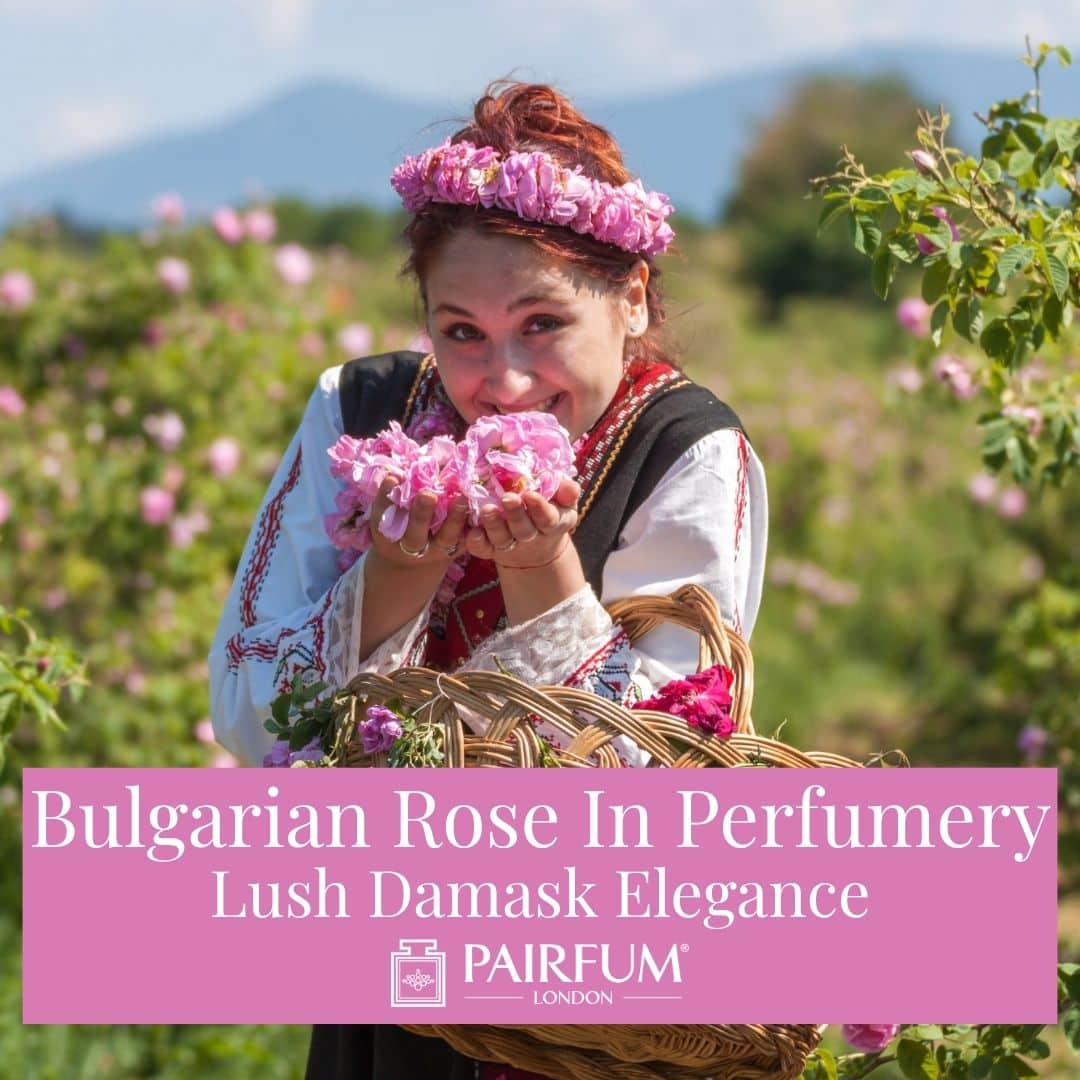
The Bulgarian rose originates from a small region in southern Bulgaria known as the Rose Valley. This area has been cultivating roses for centuries, producing some of the finest rose oil globally. Spring arrives gently in this region, and during this brief blooming period, flowers are picked at dawn to preserve their freshness.
Initially a local tradition, Bulgarian rose oil became a symbol of craftsmanship and beauty. It is often referred to as liquid gold due to its immense value in European perfumery. Its balanced aroma appeals to those seeking purity and quality. Today, it remains a vital connection between nature, culture, and comfort.
What is the Heritage of Cultivation in Central Bulgaria?
The journey of the rose begins in the heart of the Balkan Peninsula. Central Bulgaria’s geography creates an ideal environment for these delicate flowers. This area, including the famous Karlovo, has a long-standing tradition of rose cultivation, dating back to the Thracian Odryssian Kingdom.
Local farmers continue the practice of hand-harvesting blooms, a tradition that has persisted for generations. Each year, visitors flock to the region for the Rose Festival, celebrating the harvest and showcasing the cultural connection between the people and the roses they cultivate. Established as a national holiday in 1967, it features the crowning of the Queen of Roses and traditional folk dances.
What Makes Bulgarian Rose Unique?
The Bulgarian Rose used in perfume oil is a variety called Rosa damascena, also known as the Damask Rose. This variety is distinguished by its deep floral character, honeyed sweetness, and subtle green freshness. Genetic testing reveals it is a hybrid of Rosa gallica and Rosa moschata, crossed with the pollen of Rosa fedtschenkoana.
Several factors contribute to the uniqueness of Bulgarian rose:
- Rich, loamy soil that retains moisture effectively
- Cool mornings and warm afternoons that enhance the petals’ aroma
- Natural mountain protection from the Balkan Mountains and Sredna Gora that creates a stable climate
These details give the Damask Rose its lasting aroma and balance. Compared to rose oils from other regions, Bulgarian Rose feels more rounded and complete, avoiding overly sweet or sharp notes.
What are the Unique Properties and Benefits of Bulgarian Rose?
The Rosa damascena is celebrated not only for its scent but also for its skin benefits. In the beauty industry, rose oil is known for its intense hydration properties. It is a common ingredient in various cosmetic products, from luxury creams to traditional soaps. The oil contains over 300 chemical compounds, including geraniol and citronellol, contributing to its therapeutic reputation.
Due to its delicate nature, it is often utilized in aromatherapy to promote calmness and reduce stress. The purity of the essential oil ensures that even a single drop encapsulates the essence of the rose fields. Whether for fragrance or therapeutic benefits, Bulgarian rose oil remains the highest quality available globally.
How is Bulgarian Rose Oil Extracted?
Once harvested, typically before sunrise while the dew protects the fragrance, teams carefully transform the roses into perfume oil. The most common method is steam distillation. This gentle process allows hot steam to pass through the petals, extracting the oil without damaging its delicate aroma. Bulgarian producers have perfected a double distillation method, significantly enhancing the capture of the flower’s complex profile.
This distillation process yields pure rose oil, known as rose otto, and a by-product called rose water. While rose water is also used in perfumery and skincare, the primary focus remains on the prized oil.
Harvesting is labor-intensive. Approximately 3,500 to 4,000 kilograms of rose petals are required to produce just 1 kilogram of rose oil. Each flower is hand-picked, showcasing the significant effort involved. This meticulous care is reflected in the final aroma, which closely resembles the natural beauty of the flower.
What is the Global Reach and Modern Usage of Bulgarian Rose?
The demand for Bulgarian rose extends beyond Europe, with significant exports to the United States and other global markets. While many first encounter it through perfume, its presence in rose water and various cosmetics makes it a staple in daily routines.
For those who incorporate this scent into their lifestyle, purchasing rose-based products often becomes a ritual. Some suppliers even offer subscription services for customers who want to ensure they never run out of this floral essence. In a fast-paced world, the scent of a rose provides a moment of natural tranquility.
Which Iconic Fragrances Feature Bulgarian Rose?
Bulgarian rose is central to many popular perfumes, especially those aiming for timelessness or comfort. It enhances the floral aspect of fragrances and helps unify other notes.
- It pairs beautifully with powdery notes and soft woods, creating warm and smooth perfumes.
- A touch of spice or citrus brightens and cleanses the floral notes.
- When combined with resins or amber, it becomes deeper, smokier, and more romantic.
In niche perfumes, Bulgarian rose often plays a subtle role. It may not always be the star, but its presence helps build layers and add balance. Modern perfumers use it to soften strong edges, round off fruity top notes, or add depth to lighter styles.
Tom Ford – Café Rose: A dark and seductive blend where Bulgarian rose meets exotic spices and dark coffee.
Guerlain – Rose Barbare: A sophisticated, honeyed rose fragrance that highlights the flower’s natural elegance.
Bvlgari – Omnia Amethyste: A clean, powdery scent focusing on the fresh, morning-dew aspect of Bulgarian rose.
What is Black Cherry & Oolong Tea – Eau de Parfum by Pairfum London?
This fragrance opens with a vibrant interplay of aromas from Black Cherry, Bergamot, Red Berries, and Nutty Almond. The heart features an elegant fusion of Oolong Tea, Bulgarian & Turkish Roses, and Liquorice. The sensuous base rests on Aniseed, Tonka, Iris, and Patchouli.
