


[ad_1]
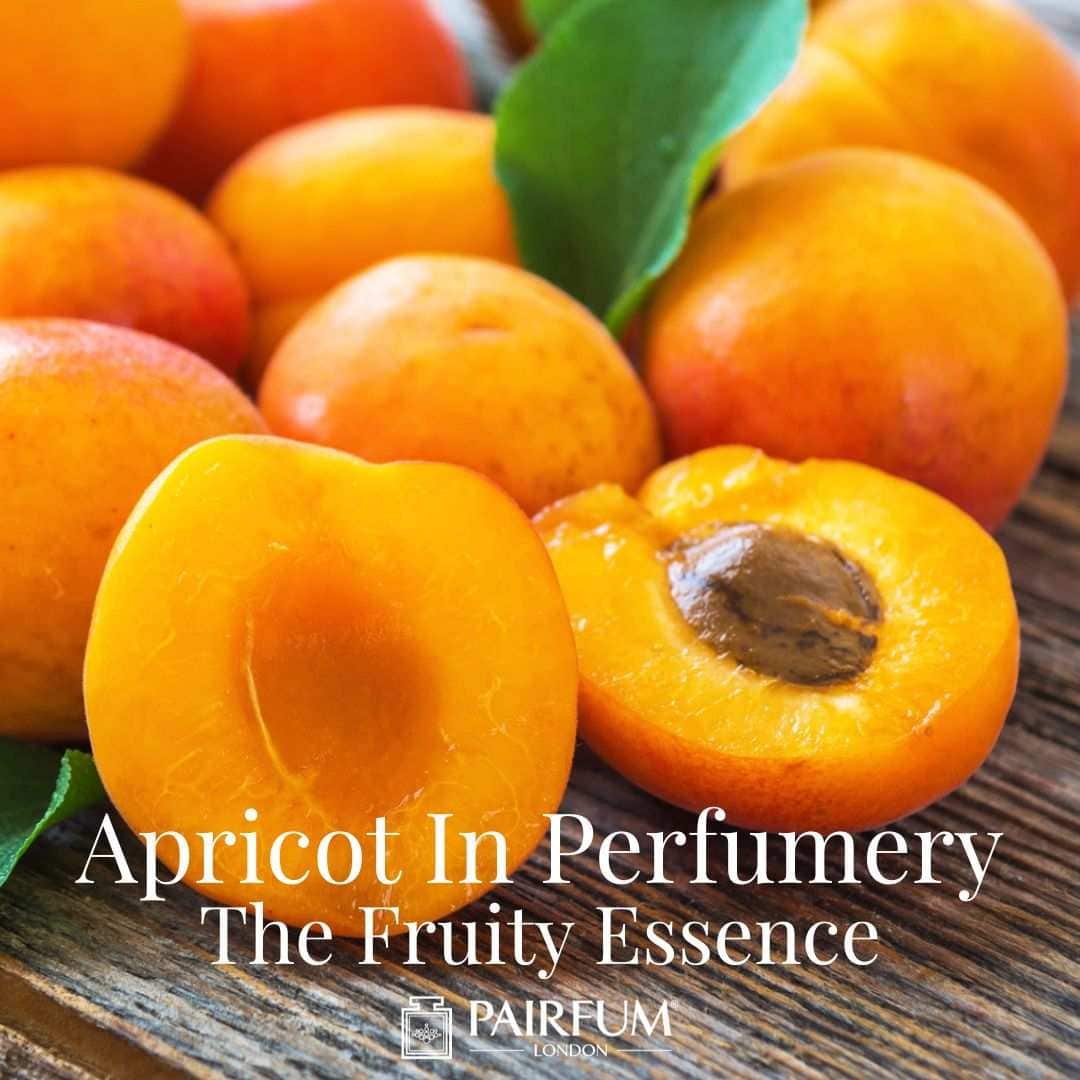
Apricot fragrances combine the sweet, succulent essence of the fruit with creamy, soft textures and a hint of powdery undertones. This delightful, warm scent profile is commonly crafted using synthetic ingredients to ensure longevity and pairs wonderfully with floral notes like osmanthus and rich base elements such as vanilla and musk.
The warm fruitiness of apricot infuses perfumes with vibrancy and cheerfulness. Its aroma is soft, juicy, and lightly floral. The experience of inhaling fresh apricots on a sunlit afternoon reveals why this fruit is a favorite among perfumers. The sun-kissed, subtly honeyed scent, accompanied by a delicate floral nuance, encapsulates the essence of summer in a single note.
Whether used in personal fragrances or home scenting products, apricot stands out for its inviting and comforting quality. The warm amber-orange hue of the fruit has inspired design trends, contributing to the apricot-inspired clothing and interior color schemes that capture its sunlit glow. This article delves into the various ways apricot is utilized in perfumery, the origins of its scent, its compatibility with other ingredients, and its lasting significance in both traditional and modern fragrances.
Exploring the Historical Significance of Apricot in Fragrance
Long before apricot became a beloved ingredient in contemporary fruity-floral perfumes, it was cherished for its aromatic qualities in oils and balms. The apricot tree, scientifically known as Prunus armeniaca, is thought to have its roots in Armenia (the botanical name introduced several terms into European botanical Latin), though it’s believed to have been first cultivated in China. For millennia, this tree has been grown, and its kernel oil was utilized in ancient skincare and fragrance formulations across various cultures.
In the 20th century, apricots truly flourished in Western perfumery, aligning with the rising interest in lighter, fruitier fragrances. These compositions felt more youthful compared to the heavier florals and orientals that had been dominant for decades. Apricots emerged as the gentler, more subtle alternatives to peach or plum, offering a sweetness that was noticeable yet not overwhelming or artificial.
The outcome was a scent note that aged gracefully. Apricot suits both romantic evening scents and casual everyday fragrances, a rare quality that makes it highly versatile.
How Does Apricot’s Aroma Manifest?
The scent profile of fresh apricots is complex and intriguing, which captivates perfumers. The obvious sweetness is accompanied by a juicy, ripe quality, radiating warmth from the characteristic orange flesh. There’s also a slight almond-like note, particularly near the pit, and a subtle green aspect from the skin and leaves.
Dried apricots present a markedly different aroma. The drying process intensifies the sugars and enhances the honeyed notes, resulting in a scent that leans towards richness, resembling fig or raisin more than the bright freshness of market-fresh apricots. When used as a fragrance reference, dried apricots often yield warmer and more enveloping compositions compared to their fresh counterparts.
The apricot blossom contributes yet another layer. Blooming in early spring, often before the leaves emerge, the flower possesses a delicate, slightly powdery floral note that aligns more closely with almond and cherry blossom than with the fruit itself. Some perfumers opt for the blossom note to achieve a connection to the plant while avoiding the sweetness of ripe apricots.
Understanding the Science: Extracting the Essence of Prunus Armeniaca
Prunus armeniaca yields very little extractable essential oil from its flesh, making direct extraction impractical. Cold-pressing the kernel produces apricot kernel oil, valued in skincare for its light texture and moisturizing properties, yet this oil is largely devoid of the fruit’s signature scent.
To create the apricot note in fragrances, perfumers construct the scent rather than extract it. The apricot note typically comprises a blend of molecules designed to replicate the essence of apricots. Key lactone molecules, such as gamma-decalactone and gamma-undecalactone, contribute to the creamy, peachy-apricot essence found in many fruity fragrances. Ionones, a group of molecules responsible for the powdery sweetness of violet, add depth and a gentle floral lift.
Osmanthus deserves special mention. This small flower from China carries a natural stone fruit aroma, sitting between apricot, peach, and leather, making it an effective natural alternative for creating an apricot accord without needing the fruit itself. Many exceptional apricot-inspired perfumes rely on osmanthus rather than synthetic accords.
The Integral Role of Apricot in Fragrance Blends
Apricot’s effectiveness in perfume stems from its balanced character. It offers enough fruity essence to be distinctly recognizable without overwhelming a composition with excessive sweetness. Apricot introduces warmth without heaviness and integrates seamlessly with nearly all other ingredients.
Floral combinations are perhaps the most intuitive pairing. The classic mix of rose and apricot exemplifies this; apricot softens the sharp green notes of rose, adding a sensual, edible quality that might otherwise render the composition too formal. Similarly, apricot complements mimosa and jasmine by enhancing their powdery-sweet attributes.
Woody and musky bases gain depth from apricot as well. When apricot is layered above sandalwood, cedarwood, or musk, it imparts a creamier, more enveloping quality, offsetting the sometimes harsh characteristics of woody fragrances. In chypre structures, apricot’s fruity-floral brightness serves as a bridge connecting fresh top notes to the mossy, earthy base.
In general, larger fruit notes like peach, mango, and plum can clash when combined, but apricot’s subtlety allows it to enhance rather than overshadow other elements. This is why perfumers frequently choose apricot as a modifier rather than a dominant note.
Incorporating Apricot into Home Fragrance
Apricot’s delightful aroma is not limited to personal fragrances; it translates beautifully into home fragrance products such as candles, room sprays, and reed diffusers designed to create warmth without overwhelming intensity.
Unlike citrus scents, which can come across as sharp or overly bright in a home environment, apricot offers a gentle, inviting aroma. It creates a cozy atmosphere rather than simply refreshing the air. When paired with white florals or soft greens, apricot cultivates a relaxed and breezy ambiance, especially suited for spring and summer. the warmer, honeyed notes of dried apricot also provide comfort during the winter months.
In home fragrance, apricot blends harmoniously with vanilla and sandalwood, yielding a cozy and laid-back scent profile. The fruitiness prevents the blend from becoming too heavy, resulting in a fragrance that captivates guests without being easily identifiable, an ideal outcome.
The Culinary Versatility of Apricot
The allure of apricot extends far beyond the realm of perfumery. As a delicious edible fruit, it has inspired a multitude of versatile recipes in European and Middle Eastern cuisines. Understanding its culinary applications provides valuable insights into its aromatic characteristics in fragrance.
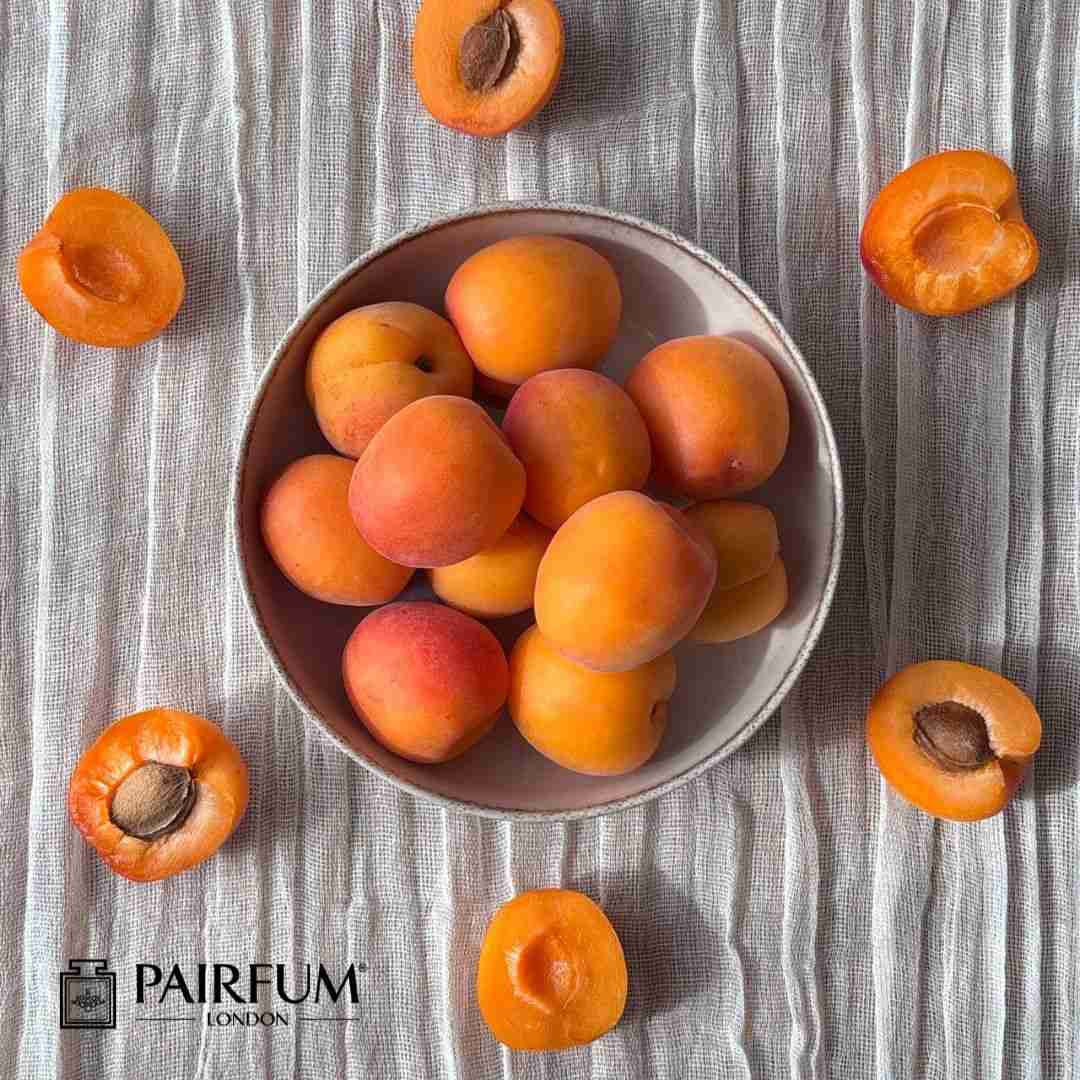
Fresh apricots serve as the foundation for many delightful summer desserts, including tarts, crumbles, and poached fruit dishes that highlight the fruit’s delicate acidity and honeyed sweetness. Dried apricots, on the other hand, amplify these qualities, becoming concentrated and jammy with an almost caramel-like richness, making them a favorite in slow-cooked meals, tagines, and enduringly popular apricot jams that can be stored throughout the winter.
Food writers have long celebrated the versatility of apricots. They have become a staple in home baking, with apricot oat bars frequently featured in culinary publications like Good Food Magazine. These bars, combining dried fruit, rolled oats, and honey, are recognized as reliable recipes for everyday bakers. Overnight oats with chopped dried apricots, pistachios, and a spoonful of apricot jam have also gained popularity as a quick breakfast option, along with apricot oat bars for snacking and lunchboxes.
In savory cooking, apricots pair surprisingly well with bold spices. An apricot plait, a glazed pastry filled with spiced dried fruit, is a common treat in many European bakeries. Minty bulgur wheat with soaked dried apricots and toasted pistachios is a classic side dish across the Levant. In North African tagines, fresh or dried apricots balance the heat and depth of harissa, contributing sweetness to counteract the spice.
These unique recipes underscore a fundamental truth: apricot, like all exceptional ingredients, adapts seamlessly. It softens sharpness, adds sweetness to austere flavors, and brings warmth to its surroundings. This quality is precisely what makes apricot highly valued in perfumery.
Cultivating Apricots: From Blossom to Harvest
Apricot trees bloom in early spring, sometimes as early as February in warmer climates, making late frosts a significant concern for growers. A hard frost after blossoms open can devastate an entire season’s crop overnight, which is one reason apricots have traditionally thrived in continental climates with reliable, dry springs rather than the unpredictable weather of the UK.
The early Moorpark variety is one of the most esteemed English apricots: a large fruit with deep orange flesh, rich flavor, and a relatively dependable cropping pattern for the UK climate. First cultivated in Moorpark, Hertfordshire, during the 18th century, it remains a benchmark for quality.
Pollination is typically straightforward for most apricot varieties, as they are self-fertile. A single apricot tree can fruit independently, though having a second tree nearby generally enhances yield. They can be planted as bare-root trees in late autumn or in containers for patios and smaller gardens. Apricot trees grown against south-facing walls and trained as fans often produce the most reliable crops in the UK, benefiting from reflected warmth that compensates for the less favorable climate.
Potassium is crucial for apricot trees, supporting fruit development, flavor intensity, and overall resilience. Applying a potassium-rich fertilizer in spring aids the transition from bloom to new growth, enabling the tree to produce consistent crops of large, flavorful apricots season after season. Without sufficient potassium, apricots may remain small and lack sweetness, regardless of how well the tree is managed.
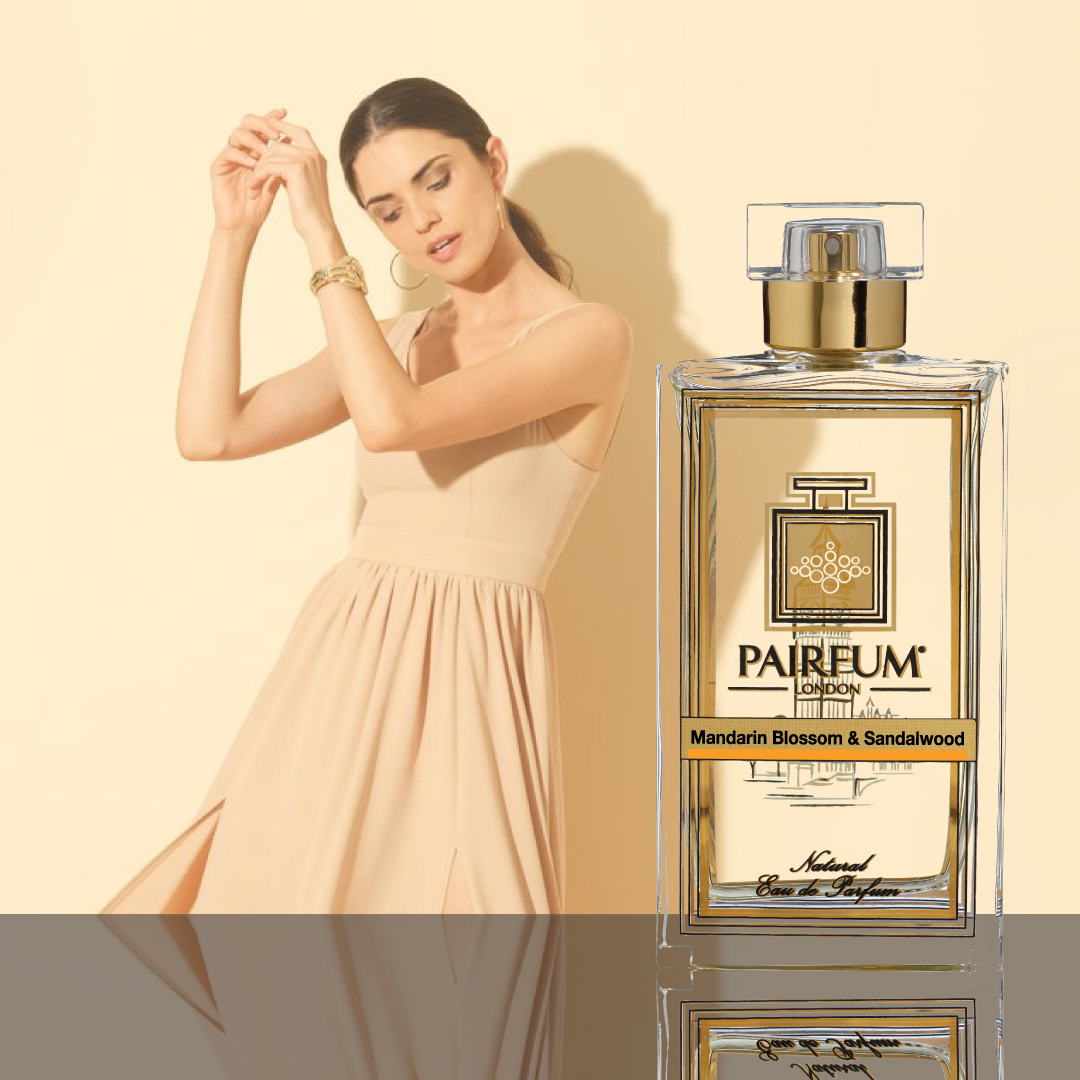
Discover Pairfum London Fragrances Highlighting Apricot
Two fragrances from Pairfum London feature apricot prominently within their compositions—one as a delicate top note in a floral chypre, and the other as a sun-ripened essence paired with tart rhubarb and white gardenia. Both are worth exploring for those intrigued by the apricot note.
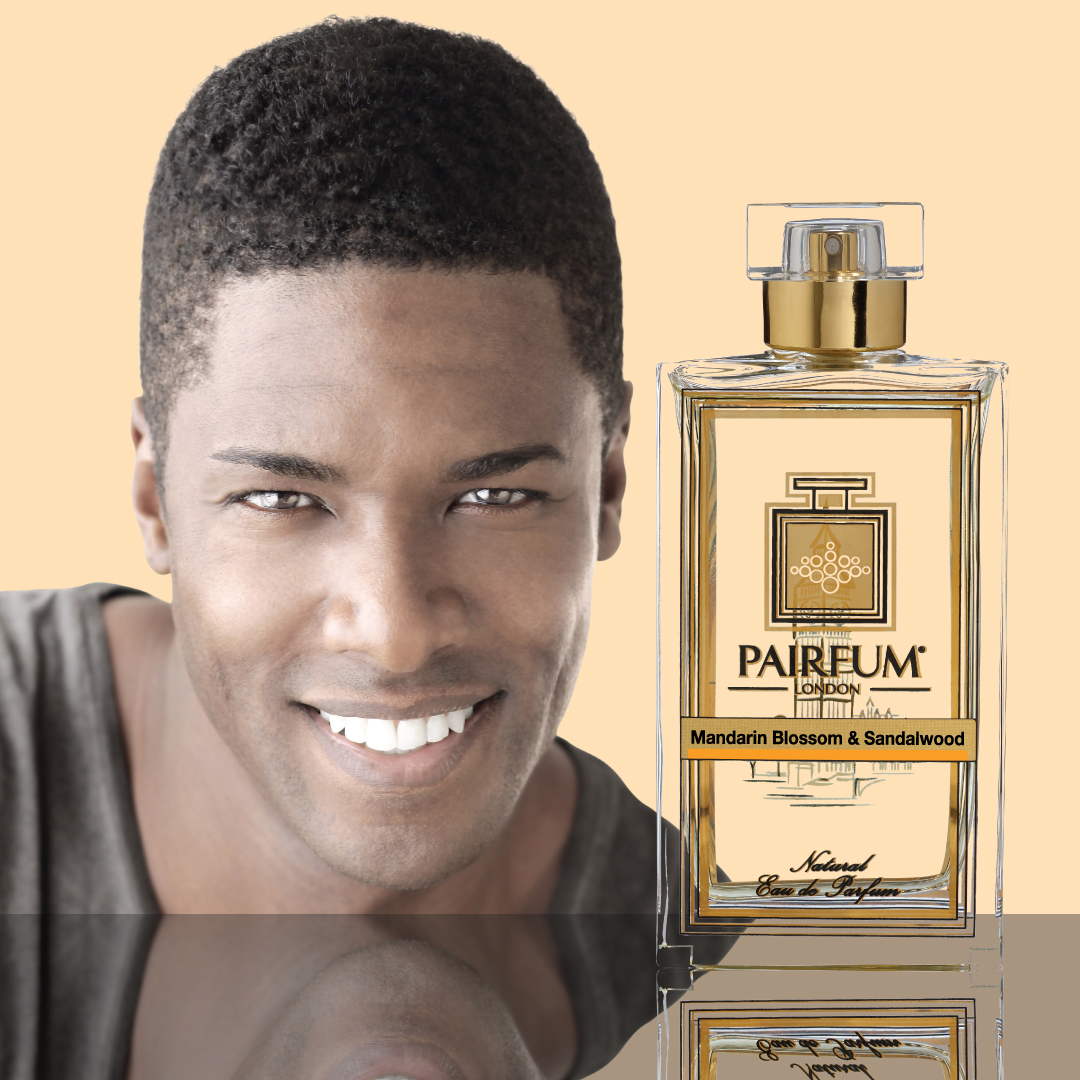
Mandarin Blossom & Sandalwood Eau de Parfum by Pairfum London
This feminine floral chypre Eau de Parfum Intense opens with Mandarin Blossom, Apricot, and White Hyacinth. The heart reveals Sweet Pea, Jasmine, and Ylang Ylang, while the base notes of Sandalwood, Patchouli, Amber, and Musk create a warm and lasting scent trail. Inspired by the tradition of gifting mandarin oranges during the Chinese New Year, which symbolizes prosperity and good fortune, this fragrance carries a sense of occasion without heaviness.
Handcrafted in the UK using natural essential oils, this fragrance is unisex, vegan, cruelty-free, and eco-friendly. Available in 100ml with complimentary shipping to the UK, EU, US, and Canada, it includes a free mini sampler for testing on your skin before opening the full bottle.
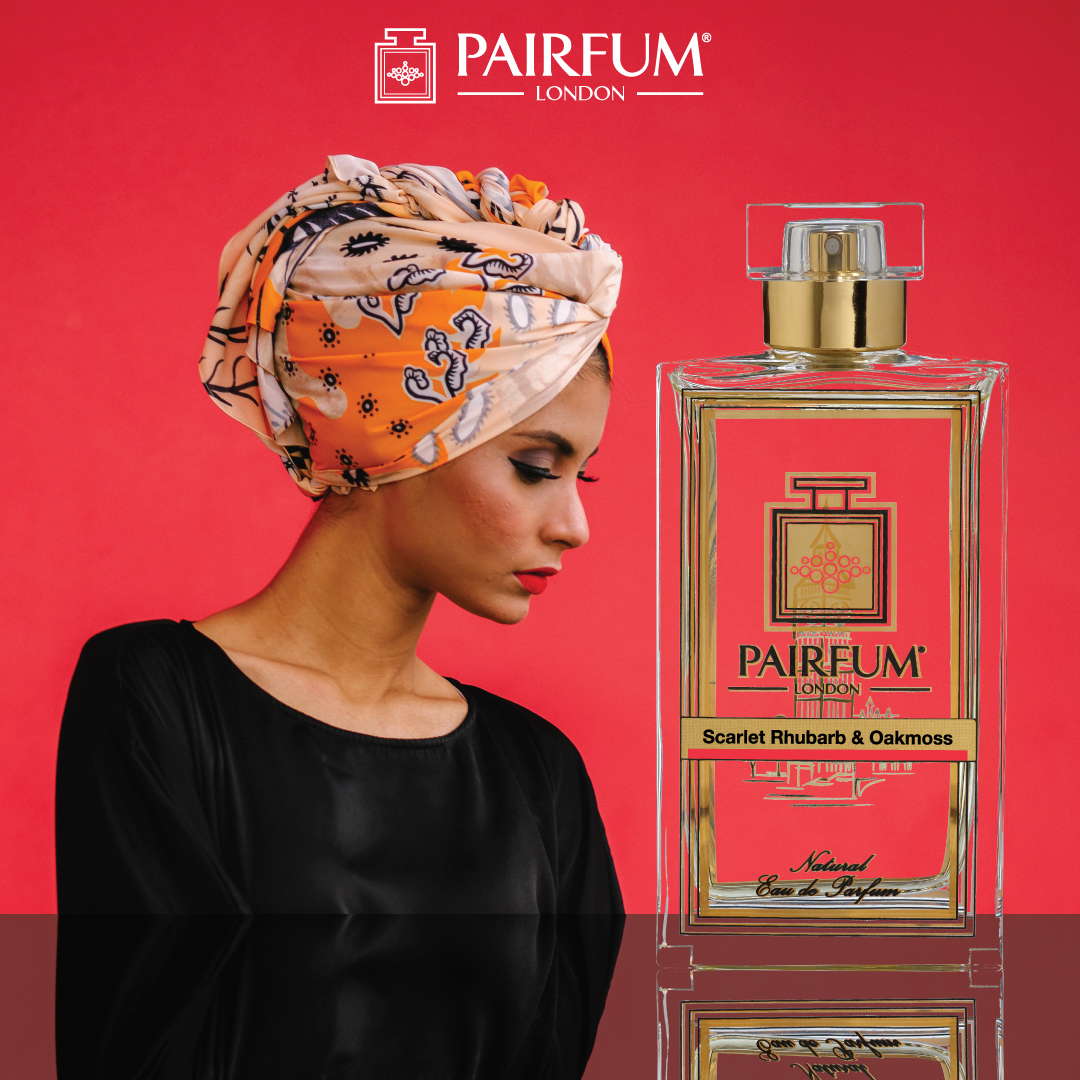
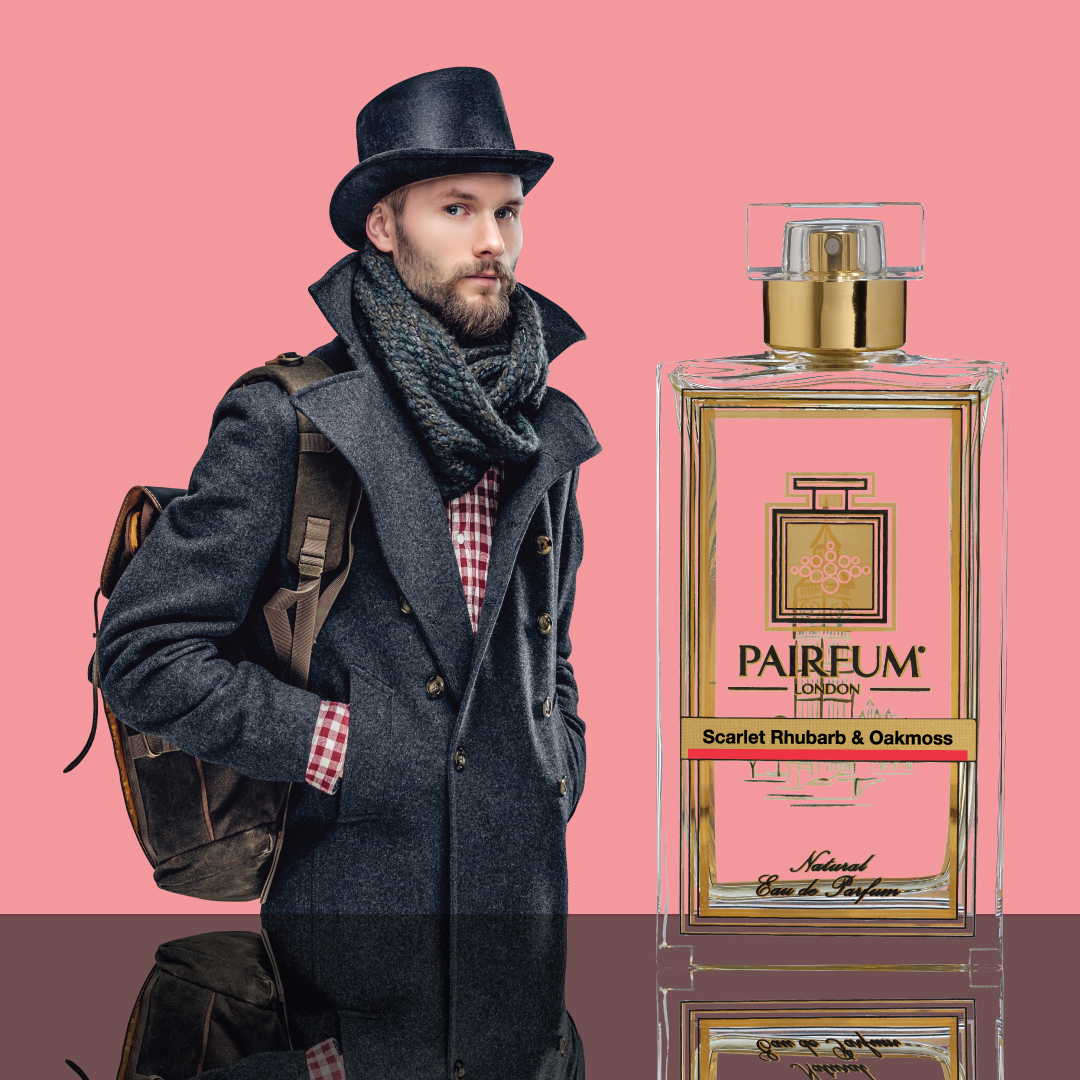
Scarlet Rhubarb & Oakmoss Eau de Parfum by Pairfum London
This bold floral chypre opens with fresh tart Rhubarb, Sun-Dried Fruits, and Ripe Strawberries, complemented by crisp Apple and Apricot wrapped around a heart of elegant White Gardenia. The base notes of Oakmoss, Musk, and Labdanum provide a rich, warm drydown in a classic chypre style, but with a uniquely English twist, where rhubarb replaces the typical Bergamot for an unexpectedly fresh and green note.
Handmade in the UK using natural essential oils, this scent is unisex, vegan, cruelty-free, and eco-friendly. Available in 100ml with free shipping to the UK, EU, US, and Canada, and includes a complimentary mini sampler.
Embracing the Subtle Allure of Apricot
Apricot may not be the most pronounced note in a fragrance, often not making a dramatic entrance. Instead, it harmoniously ties everything together, softening harsh edges and infusing warmth. This quality provides compositions with a rounded, wearable essence, leading to a fragrance that individuals return to season after season.
Its adaptability is truly remarkable. From the blossoms on a frost-sensitive apricot tree in early spring to the concentrated sweetness of dried apricots in a winter tagine, and the creamy lactone accord at the core of a fruity-floral perfume, apricot, in its various forms, finds a place in nearly every context. This flexibility is rare and is ultimately what defines a high-quality fragrance ingredient.
The post Apricot in Perfumery: The Fruity Essence appeared first on Pairfum London.
