


Are you passionate about makeup? Do you often reach for conventional beauty products without thoroughly inspecting their ingredient lists? It’s essential to realize that many of these cosmetics contain a plethora of toxic and synthetic chemicals that can accumulate in your body over time, potentially leading to adverse health effects.
These harmful synthetic ingredients can disrupt your hormones, impair digestion, and damage your skin health—definitely not worth the temporary beauty benefits. Makeup that is free from harsh chemicals should be your go-to choice for beauty routines!
We’ve compiled a comprehensive list of synthetic chemicals to steer clear of when checking product ingredient labels, along with alternative ingredients featured in our beloved beauty products. Makeup without synthetic components performs just as admirably—if not better—than traditional options, as it often features vegan and skin-friendly ingredients! By making informed choices, you can indulge in your beauty routine without compromising your health.
Understanding the Differences: Chemical-Free Makeup vs. Synthetic-Free Alternatives
To enhance your beauty choices while being kind to your skin, body, and the planet, the first step is to educate yourself about ingredients. Congratulations on taking that first step by reading this! At 100% PURE, our mission is to replace toxic elements commonly present in conventional makeup with natural, safer alternatives. We prioritize using non-toxic, synthetic-free, and cruelty-free ingredients that are sustainable and eco-friendly.
We follow a rigorous formulation process for our products, which includes meticulous ingredient sourcing while avoiding certain harmful chemicals. While the term ‘chemicals’ may seem negative, it’s important to note that some are actually derived from natural sources and can be beneficial for the skin.
A substance that has undergone a chemical transformation through natural biological processes is still considered natural. Conversely, if a product contains synthetic chemicals or processes, it is classified as not natural. This definition aligns with USDA guidelines, and we wholeheartedly support it. Thus, when searching for makeup, focus on finding products that are free from synthetic components rather than simply avoiding all chemicals.

Eliminate Toxic Preservatives for Healthier Beauty Products
Many toxic preservatives are added to extend the shelf life of products and prevent the growth of harmful bacteria and mold found in conventional cosmetics. While it is essential to preserve organic formulations (no one wants a moldy face mask!), we have successfully identified natural alternatives to these toxic preservatives.
Still hesitant about the necessity of using synthetic-free makeup? Take a look at our detailed list below. The health risks associated with these ingredients are alarming and should not be ignored.
Parabens are commonly used preservatives in conventional cosmetics, often labeled as methyl-, ethyl-, propyl-, isopropyl-, butyl-, or isobutyl parabens. Studies have shown that they act as endocrine disruptors, meaning they can interfere with normal hormone function over time. This interference can lead to various issues, including adult acne, menstrual irregularities, mood swings, and even more serious hormone-related cancers. Their estrogen-mimicking properties may result in either excessive or insufficient estrogen production.
Since parabens are absorbed through the skin and can accumulate in the body due to their fat-soluble nature, they can remain present for extended periods. Consequently, prolonged use increases your risk. That said, we have eliminated parabens from our ingredient list in favor of a natural alternative, which we will discuss shortly.
The list of preservatives to avoid does not end with parabens. We have also eliminated BHA (Butylated Hydroxyanisole) and BHT (Butylated Hydroxytoluene), which are synthetic antioxidants derived from petroleum used to provide a flexible or elastic texture in cosmetics. These substances are often present in lipsticks, eyeshadows, blushes, and many other products, yet they are known allergens that can trigger allergic contact dermatitis in sensitive individuals.
Furthermore, research reveals that long-term exposure to high doses of BHA and BHT can be toxic, and they are currently under evaluation as potential human carcinogens, as highlighted in the National Toxicology Program’s 2016 report on carcinogens. Thankfully, we have opted not to use these ingredients in our synthetic-free makeup.
What other preservatives should you watch out for? Formaldehyde is a colorless, pungent gas frequently found in various products, including building materials and personal care items. It’s used in many cosmetics, from hair relaxers (like the well-known Brazilian blowout) to nail polishes and deodorants, due to its preservative properties. However, its side effects can include skin irritation, scalp burns, hair loss, and respiratory issues. It’s best to avoid this ingredient altogether!
Discover Natural Preservatives for Safe Makeup
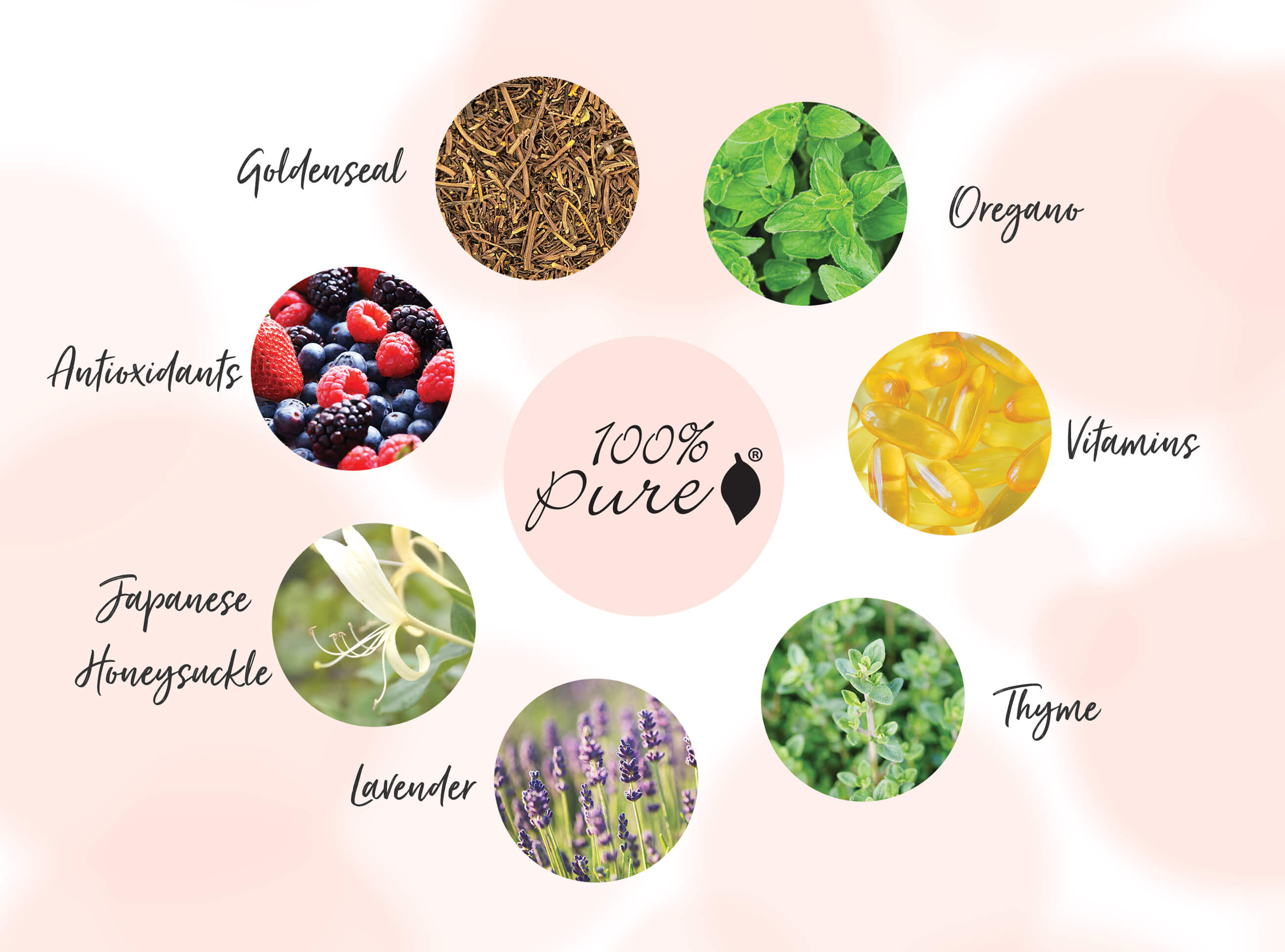
With so many preservatives on the cosmetic blacklist, what options do natural beauty brands have? At 100% PURE, we utilize Japanese honeysuckle as a natural antimicrobial preservative. Through steam distillation or alcohol extraction, Japanese honeysuckle is transformed into phytochemicals with potent antimicrobial and antibacterial properties.
Once transformed, Japanese honeysuckle serves as an effective naturally derived preservative, keeping bacteria and mold at bay in our makeup and skincare products without jeopardizing long-term health. It’s a body-friendly alternative that allows us to maintain the safety and shelf life of our cosmetics.
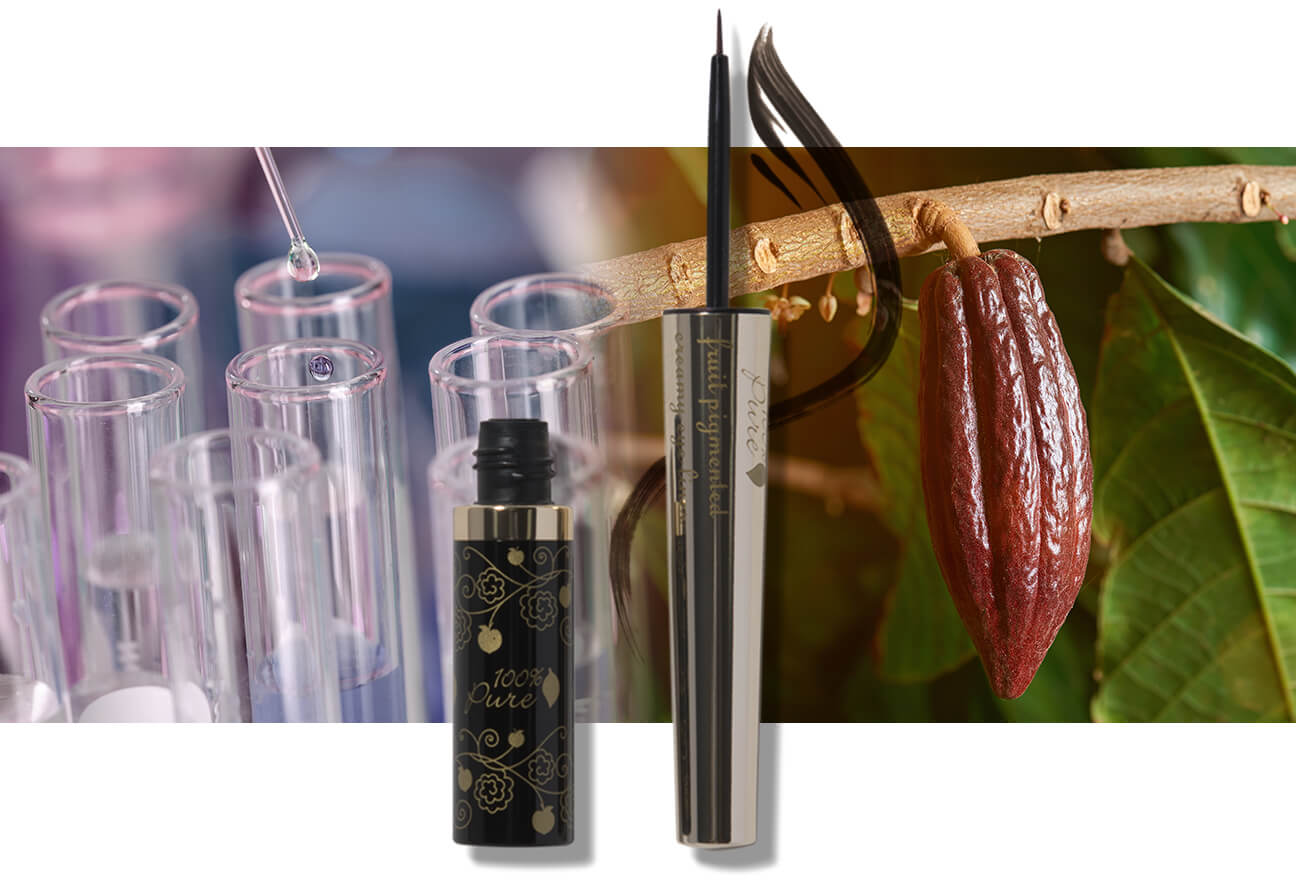
In products like our Long Lasting Liquid Eyeliner, we incorporate Japanese honeysuckle extracts to ensure that the highly pigmented formula remains long-lasting, richly textured, and provides an ultra-smooth application. Additionally, this must-have eyeliner uses black tea leaves instead of synthetic dyes, ensuring that its deep hue enhances your eyes without drying or damaging them.
While Japanese honeysuckle is our primary preservative, we also rely on a robust lineup of supporting ingredients. Our formulations include thyme, oregano, goldenseal, rosemary, lavender, and a high concentration of antioxidants to keep our products fresh, long-lasting, and free from harmful bacteria.
Banishing Synthetic Dyes for Healthier Beauty
Next on the list of harmful ingredients are synthetic dyes. Conventional cosmetics often include non-naturally occurring dyes sourced from petroleum and coal tar. At high exposure levels, these dyes are known human carcinogens, skin irritants, and may even be linked to ADHD in children.
Additionally, synthetic colors can be contaminated with trace amounts of heavy metals and aluminum compounds, both of which are harmful to human health. While Canada’s Cosmetic Regulations prohibit most coal tar-based synthetic colors in eye makeup and other eye-area products, these synthetic colorants continue to be prevalent in various cosmetics in other countries.
Harnessing Natural Fruit Pigments for Vibrant Makeup
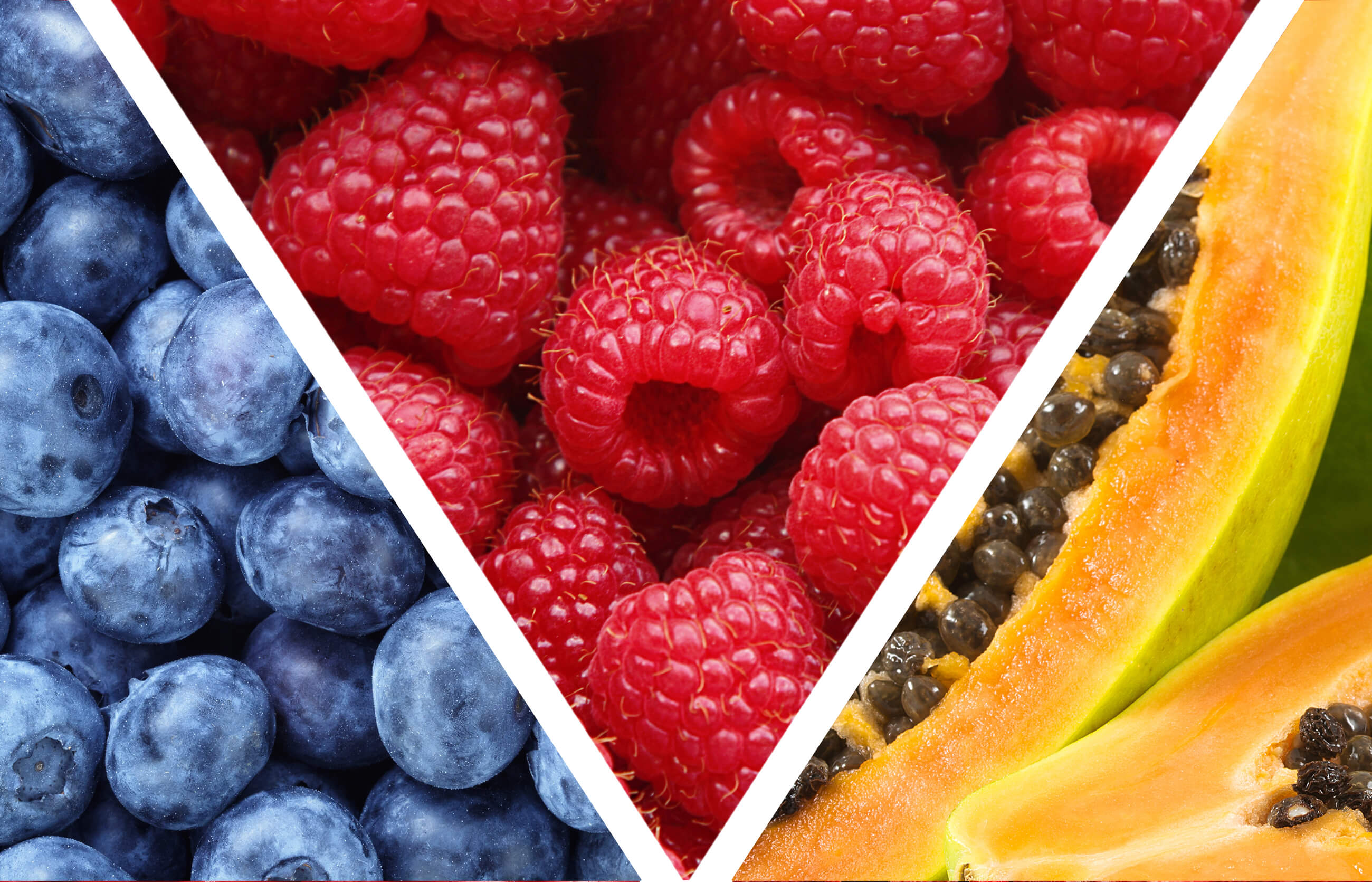
We avoid tar and petroleum-based dyes in our mascaras. Our popular Maracuja Mascara is colored using berries, cocoa, and coffee beans, providing a sultry dark hue without the risk of eye damage associated with traditional makeup. This formula not only volumizes lashes but also promotes growth while moisturizing them with vitamin E and maracuja oil, keeping your lashes healthy, beautifully colored, and striking.
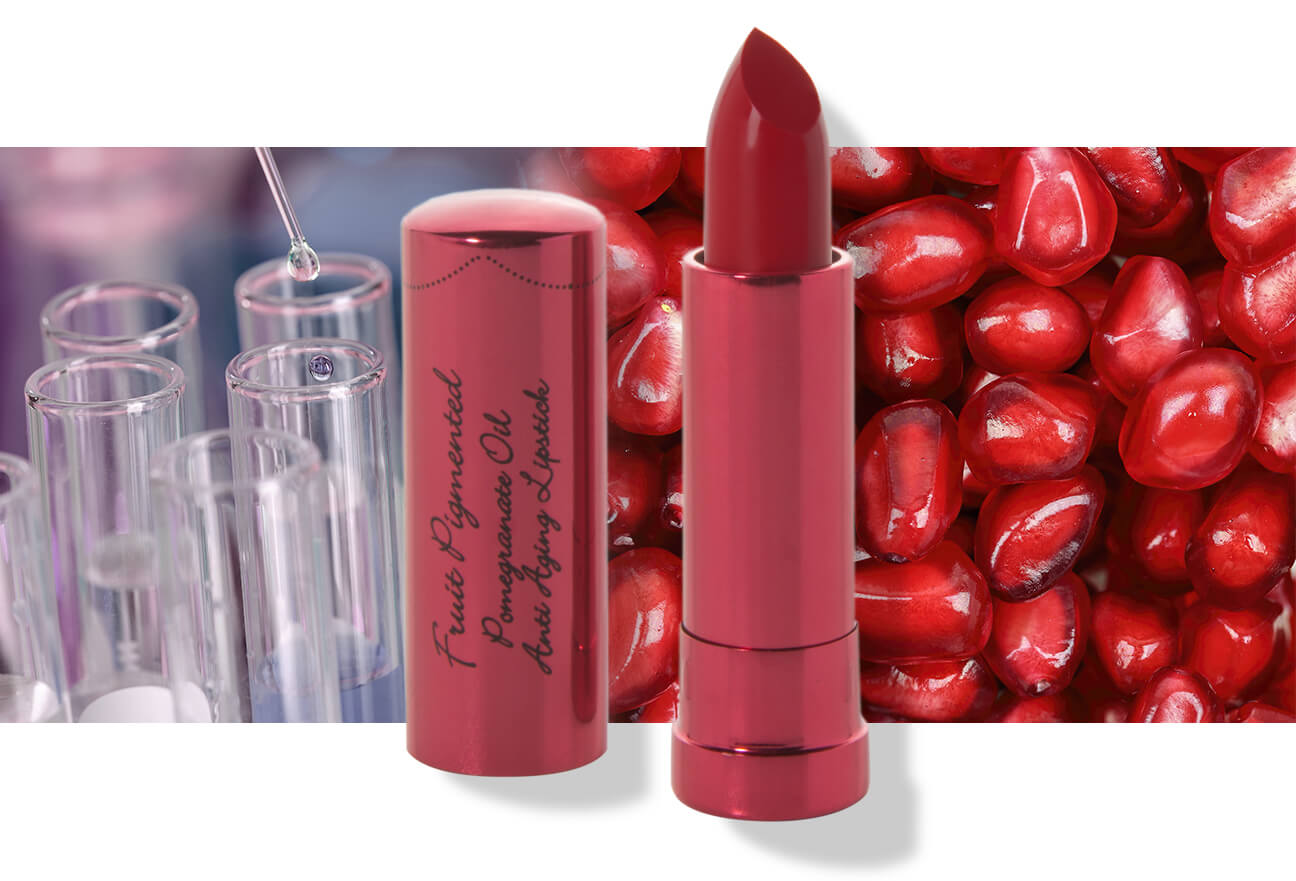
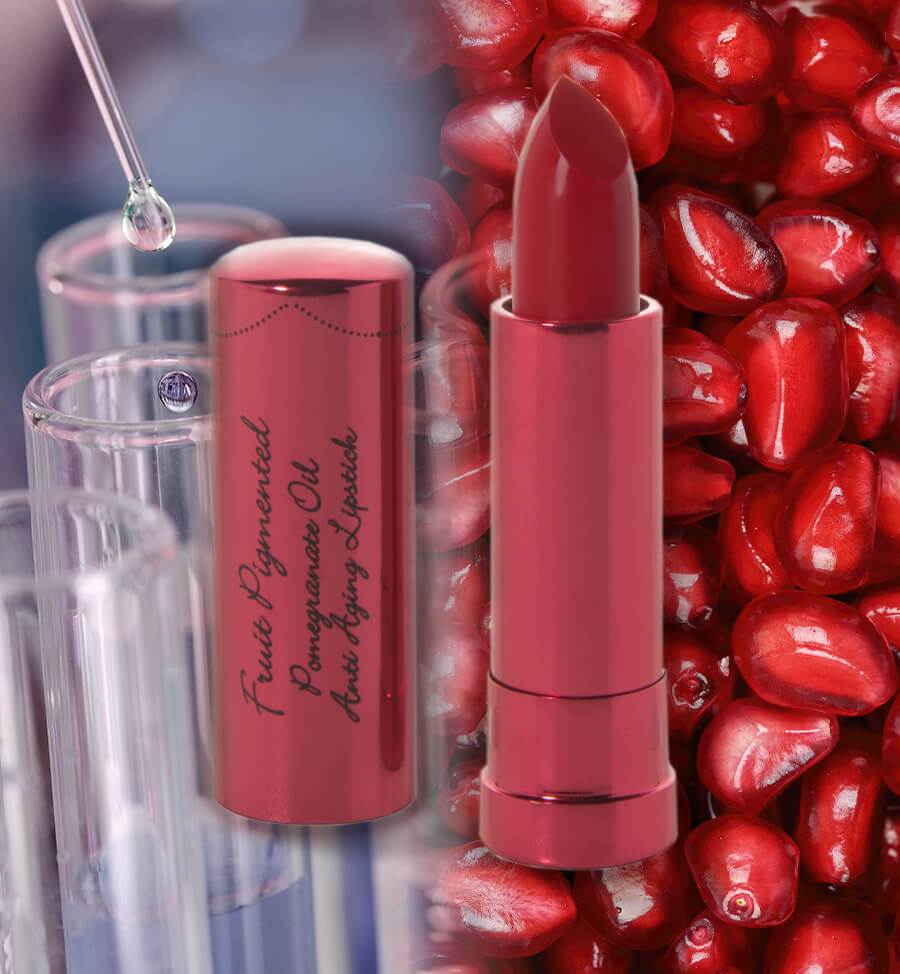
We’re committed to eliminating these harmful toxins from our formulas and replacing them with antioxidant-rich fruit and plant pigments to deliver vibrant colors in our lipsticks and mascaras. Our Fruit Pigmented® Pomegranate Oil Moisturizing Lipstick boasts an extensive range of bright shades, crafted from a variety of fruits and berries—think cherry, cabernet grapes, blackberry, apricot, and cacao pigments, among others!
By leveraging entirely plant- and fruit-based ingredients, we can create a nearly limitless spectrum of stunning colors while enhancing our formulas with powerful antioxidants. These antioxidants protect the delicate skin on your lips from environmental damage and stimulate healthy skin cell production. It’s a win-win for your skin!
Steering Clear of Harsh Detergents in Your Beauty Products
Products claiming to cleanse your skin and eliminate oil and excess sebum often contain harsh and irritating detergents. Common culprits include sodium lauryl sulfate and sodium laureth sulfate. These petroleum-derived ingredients are frequently tainted with pesticides and can lead to skin rashes, exacerbating conditions like acne and eczema. Alarmingly, they are also the primary ingredients in industrial cleaning agents such as engine degreasers.
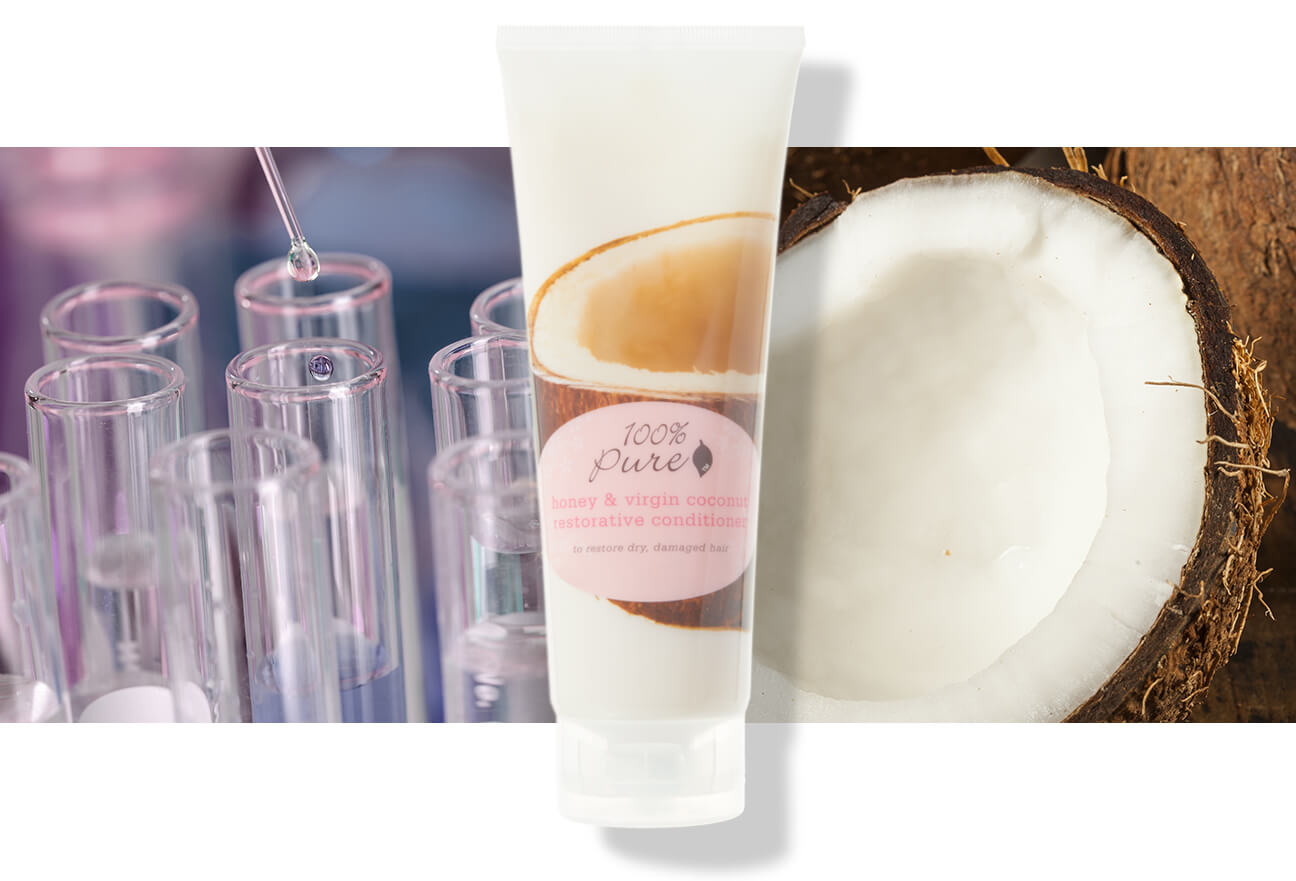
In place of these damaging detergents, we utilize saponified coconut oil—a cleansing lipid derived from coconut oil that lathers just like traditional soap but without the harsh stripping effects. Our ultra-foaming Coconut Shower Gel delivers a rich lather thanks to saponified coconut oil, and the formula also features rose hydrosol to restore essential fatty acids and organic aloe leaf juice to calm inflammation.
The same philosophy applies to our all-natural shampoos. Our Honey & Virgin Coconut Shampoo effectively removes product and oil buildup from the scalp with a blend of saponified coconut oil, honey (a natural antimicrobial), and rose hydrosol (for hydration). Both products are essential staples for daily body and hair care that won’t cause damage or irritation.
Avoiding Synthetic Plasticizers for Safer Nail Care
A common ingredient in many conventional nail polishes is dibutyl phthalate. Phthalates represent a diverse group of materials that impart flexibility to plastics. They can be found in a wide array of products, including toys, vinyl flooring, cleaning agents, lubricating oils, food packaging—and they are almost universally present in nail care items.
In nail products, dibutyl phthalate functions as a solvent for dyes and a plasticizer for texture. Alarmingly, it is absorbed through the skin, and laboratory tests have indicated that it can cause developmental abnormalities, changes in the testes and prostate, and reduced sperm counts. As much as we appreciate beautifully painted nails, we believe the potential health risks are not worth the trade-off. Consequently, we do not include dibutyl phthalate in our Non-Toxic Natural Nail Polishes, which are formulated without phthalates and formaldehyde because we believe that a mani-pedi should not come with health hazards.
The takeaway is clear: if you wish to enjoy makeup without the associated health risks, transitioning to synthetic-free makeup is essential! Keep the ingredients we’ve discussed in mind when considering what you apply to your skin. Given that cosmetics and personal care products can be absorbed into our bodies, it’s safest to choose synthetic-free options whenever possible! If you’re eager to learn more about synthetic-free makeup, feel free to explore our insights on asbestos in makeup and how we offer nourishing natural alternatives.
Your Questions Answered: FAQs About Synthetic-Free Makeup
How do synthetic dyes in makeup impact your skin and overall health?
Synthetic dyes in cosmetics can irritate the skin, leading to redness, itching, or allergic reactions in some users. In certain instances, they may also be linked to more severe health issues due to their potential absorption into the body. Some studies suggest that specific dyes could disrupt endocrine functions or even contribute to cancer risk, depending on the dye’s chemical structure and individual sensitivity; however, the exact effects can vary based on personal factors and exposure levels.
What advantages do fruit pigments offer in cosmetics?
Fruit pigments in cosmetics provide numerous skin and health advantages, including natural and renewable dyes derived from fruits that are biodegradable and non-toxic. Additionally, fruit pigments are rich in antioxidants, which can help reduce inflammation, combat free radical damage, and minimize irritation. Some fruit pigments, like anthocyanins, offer UV protection, while others, such as acerola, may aid in lightening pigmented skin.
How does using synthetic-free makeup benefit individuals with sensitive skin?
Synthetic-free makeup, also referred to as natural makeup, significantly lowers the likelihood of irritation and allergic reactions for those with sensitive skin. By avoiding harsh chemicals such as synthetic fragrances, dyes, and parabens—common triggers for skin sensitivity—these products often incorporate plant- and fruit-based ingredients that soothe and nourish the skin, offering a gentler alternative for easily irritated complexions.
