


As the cooler months usher in brisk temperatures while the sun enjoys its own warmth, you might feel tempted to skip one essential skincare step – applying sunblock. However, before you dash out for that comforting latte, there’s a vital point you need to consider about UV rays; you can’t fully escape them, even in fall.
While it may seem unusual to focus on sunblock during this time of year, protecting your skin is crucial all year long! As we dive into everything pumpkin spice and cozy, let’s not overlook the drawbacks of conventional sunscreens, like leaving behind white residue, greasy textures, and the potential harmful effects of chemical UV filters.
A quality sunblock is only as effective as its ingredients and how you apply it. We’re here to share insights on super sheer, plant-derived formulas that are primed to defend your skin against UV threats lurking in the autumn sun. Let’s enhance your latte experience while exploring the benefits of wearing sunblock daily, helping to lift your spirits and maintain a vibrant, healthy complexion throughout the year!
Understanding the Importance of Sun Protection
The sun, while being the source of life on Earth, also presents significant risks to our skin health if we don’t shield ourselves adequately. Sunscreen is essential for protecting your skin from the sun’s damaging rays, and emphasizing its importance for your delicate epidermis cannot be overstated. Regular application of sunscreen is vital to maintain skin health and prevent long-term damage.
Sunblock specifically provides a barrier against ultraviolet (UV) rays, which are categorized into UVA and UVB rays. UVA rays are primarily responsible for long-term skin aging, while UVB rays are known for causing sunburn. UVA penetrates deeply into the skin, reaching the dermis and potentially damaging collagen and elastin fibers, essential for maintaining skin’s firmness and elasticity.
When UVB rays hit the epidermis, they can lead to photoaging, DNA damage, and the development of precancerous cells, along with increased melanin production. While melanin serves as a natural defense against sun exposure, excess production can lead to dark spots, visible blood vessels, sunburns, premature aging, and a heightened risk of skin cancer.
If you’ve been using conventional sunscreen without much thought, it might be time to scrutinize the differences between chemical and mineral ingredients in natural sunblocks. Understanding these differences is crucial for making informed skincare choices.
Conventional sunscreen functions by absorbing UV rays through chemical compounds. These chemicals interact with UV radiation on your skin’s surface, converting it into heat that is then released from your skin. This process can be problematic for sensitive skin types, as the chemical reaction can cause irritation and lead to dark spots. Moreover, harmful chemicals in these products may pose serious health risks, which we will delve into further!
In contrast, physical or mineral sunscreens work by creating a barrier that physically blocks UVA and UVB rays. Often referred to as “mineral sunscreen,” these products utilize minerals like zinc oxide and titanium dioxide to protect against UV radiation. By using natural sunblocks, you eliminate the possibility of harmful chemical reactions and skin irritation, significantly reducing health risks associated with conventional options.

The Benefits of Choosing Natural Sunblocks
Many conventional sunscreens rely heavily on chemical sunblock agents, which often include a mix of oxybenzone, avobenzone, octisalate, octocrylene, homosalate, and octinoxate. These chemicals can disrupt hormonal balance by mimicking hormones when absorbed into the bloodstream, posing potential risks to your endocrine system. They are designed with “absorption enhancers” that facilitate the penetration of these chemicals into the deepest layers of your skin, leading to various health concerns, including hormonal disruptions and a greater risk of certain hormone-related cancers.
The harmful effects of chemical UV filters extend beyond personal health concerns. These chemicals significantly impact the environment, endangering marine ecosystems and coral reefs. Sunscreens don’t merely wash off your skin when you dive into the ocean; they seep into the water, degrading natural habitats and wildlife. It’s estimated that between 6,000 and 14,000 tons of sunscreen enter the ocean annually, causing devastating consequences for delicate coral reef ecosystems.
Why compromise your skin health and the well-being of our marine friends when you can opt for a safe, effective alternative to chemical sunscreens? The health of your skin and the environment matters, and making the switch is a responsible choice.
Let’s explore the numerous advantages of natural, mineral-based sunblocks for both your skin’s health and the preservation of marine life. These products serve to physically block harmful UVA and UVB rays, utilizing minerals like Zinc oxide and titanium dioxide to form a protective barrier rather than being absorbed into the skin. This approach minimizes the risk of harmful chemical reactions and irritation.
Interestingly, mineral sunscreen can activate more quickly than its chemical counterparts. Since chemical sunscreens require time to absorb into the skin—often up to 30 minutes—they necessitate waiting before exposure to sunlight or water. On the other hand, swimming with natural sunblock won’t harm aquatic ecosystems or wildlife.
Exploring Key Ingredients in Natural Sunblocks
Natural mineral sunblocks bear the significant responsibility of protecting our skin from harmful UVA and UVB rays, primarily through the use of zinc oxide or titanium dioxide. Both of these minerals are highly effective in providing natural protection.
Let’s delve into the unique properties of these skin-protecting minerals to understand their functionality, protective powers, and why they are suitable for all skin types, including sensitive complexions, providing exceptional skin and sun protection.
Zinc oxide is a mineral known for its remarkable effectiveness in shielding the skin from UV rays. This mineral is sourced from naturally occurring zinc, combined with oxygen molecules and vaporized to create a fine powder. When applied topically, it coats the outer layer of your skin, providing a robust defense against elemental stress and oxidative damage.
The outcome? An effective, naturally derived ingredient that offers broad-spectrum protection against sunburn and reduces the risk of skin cancer. Zinc oxide is also gentle enough for photosensitive and sensitive skin types. Furthermore, natural sunscreens featuring zinc oxide as the primary ingredient are considered reef-safe!
Titanium dioxide is another skin-friendly mineral often found in conjunction with zinc oxide in natural sunblock formulations. Prior to being included in sunscreens, titanium dioxide undergoes a micronization process, ensuring it doesn’t penetrate the skin. This means you get all the sun protection benefits without the risks of UV exposure and burns.
As an active mineral ingredient, titanium dioxide remains on the skin’s surface, creating a physical barrier that effectively protects against both UVA and UVB rays. However, if you plan to swim in natural bodies of water, it’s best to avoid titanium dioxide since it is not considered reef-safe and may not biodegrade easily. Nevertheless, it is perfectly safe to use natural sunscreens containing titanium dioxide in pools or during outdoor activities.
Stay Updated: Subscribe to Our Newsletter
for more blog updates and exclusive discounts
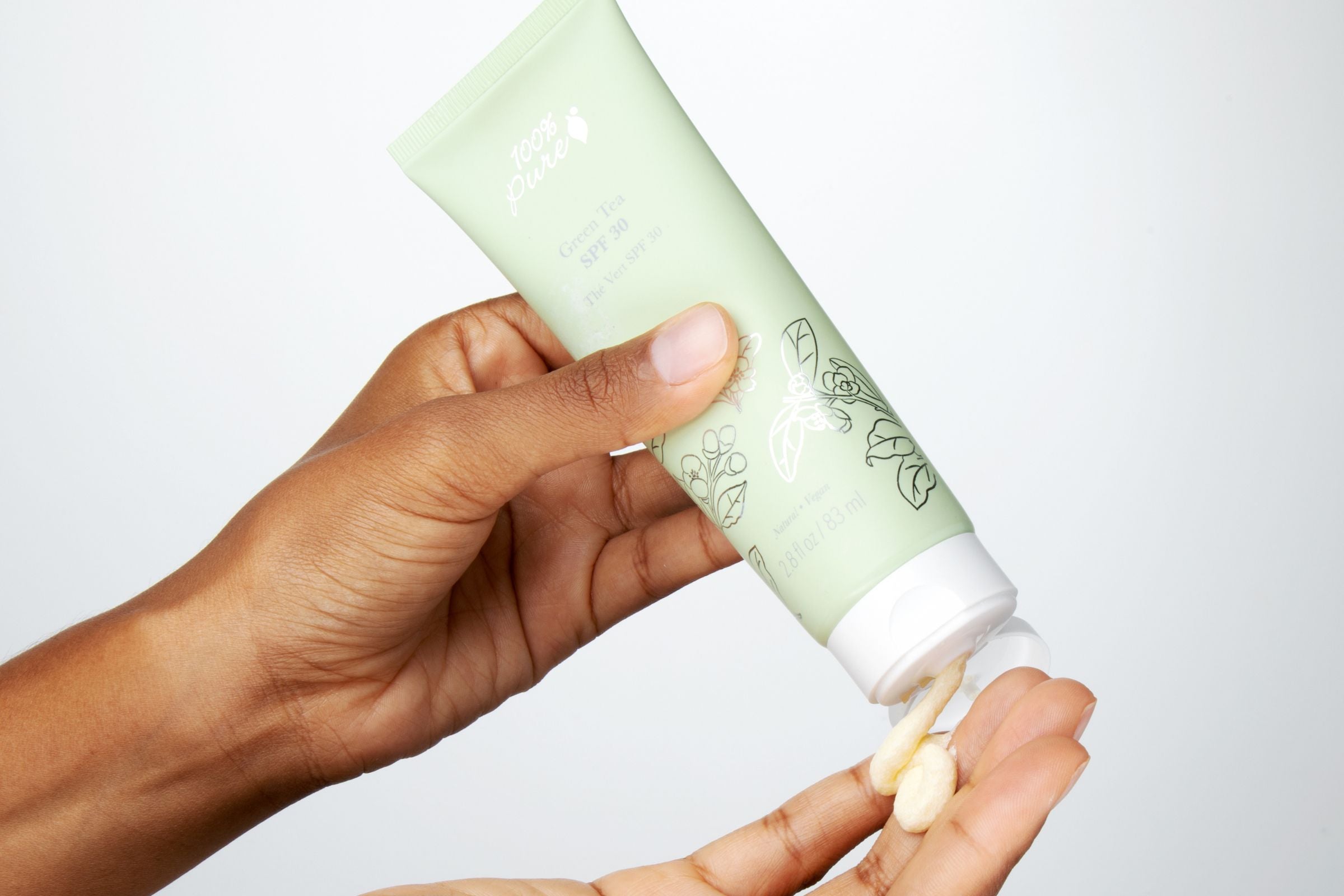
Discover Our Top Picks for 100% PURE Natural Sunblock
At 100% PURE, we go above and beyond with our natural sunblocks. Our sunscreens not only shield you from the sun’s rays but also nourish your skin with a blend of powerful plant-derived nutrients, oils, and vitamins. Each of our natural sunblocks is infused with pure botanical elements, such as green tea and tomato lycopene, targeting specific skin concerns.
The perfect balance of zinc oxide and titanium dioxide ensures reliable protection against harmful UVA and UVB rays. Our entire range of natural sunblocks is non-comedogenic and free from fragrances and preservatives, allowing you to wear them comfortably under or over makeup and reapply throughout the day without worrying about clogged pores or irritation.
Green Tea SPF 30
This natural sunblock provides dual functionality, combining protective and anti-aging properties from green tea with potent antioxidant benefits from vitamin E to combat free radicals and environmental damage. Formulated with hydrating aloe and skin-soothing cucumber juice, it also includes nourishing oils of raspberry, avocado, olive, and rosehip to moisturize and soften your skin for comfortable all-day wear and effective sun protection.
Protection: SPF 30
Vegan: Yes
Contains Titanium Dioxide: No
Water Resistant: Yes
Type of Formula: Lotion
Yerba Mate Mist SPF 30
Discover your ideal mate with this lightweight mist enriched with nourishing yerba mate. Similar to green tea, yerba mate leaves are rich in antioxidants, providing protection against free radicals that contribute to UV damage and premature aging. Safflower seed oil offers a delicate floral scent while soothing and conditioning your skin. This reef-safe natural sunscreen spray is easy to apply on the go, utilizing a compressed air canister built into the bottle, avoiding ozone-depleting CFCs.
Protection: SPF 30
Vegan: Yes
Contains Titanium Dioxide: No
Water Resistant: Yes
Type of Formula: Spray
Essential Application Tips & Protective Measures for Maximum Effectiveness
Proper application of sunblock is crucial to avoid severe side effects like sunburn, dark spots, and skin cancer. Regardless of the season or weather conditions, it’s essential to utilize sun protection. Our natural sunscreens will provide the necessary protection and skin nourishment throughout the year, ensuring enjoyable outdoor experiences. However, there are several critical tips to enhance your sun protection.
Protective Measures: Adhering to a strict sunscreen routine is vital whenever you plan to be outdoors. This means applying at least an SPF 30 sunscreen, even on overcast days, reapplying after swimming or sweating, and refreshing your application every two hours. Don’t forget to cover key areas of your body with sun protection. Additionally, wearing UV protective sunglasses, a wide-brimmed hat, using an umbrella, and donning protective clothing are excellent ways to further shield yourself from the sun’s rays!
Incorporating SPF into Your Daily Routine: Integrating sunblock with other natural skincare products in your daily regimen is seamless and can maximize the benefits for your skin. Here’s a guide on how to incorporate our natural sunblocks into your routine, along with tips for pairing them with other skincare products:
Step 1: Cleanse your skin: Begin with a gentle cleanser such as the 100% PURE Bakuchiol Cleanser to remove dirt, oil, and impurities while stimulating cellular turnover for a smoother complexion. Massage it onto damp skin, then rinse with lukewarm water and pat dry.
Step 2: Tone (optional): If toner is part of your routine, consider applying the 100% PURE Flower Water Toner after cleansing to balance your skin’s pH levels. This step is optional but beneficial for some.
Step 3: Apply Serum: For the perfect base for flawless makeup application, our Black Tea Grass Jelly Antioxidant Serum is crafted with bakuchiol and Puerh Black Tea Leaves to combat free radical damage that leads to signs of aging. Grass jelly combines hydrating plant saccharides with soothing tiger grass, while concentrated antioxidants work to plump and firm the skin, creating an anti-aging effect.
Step 4: Moisturize: If you enjoy the benefits of the black tea and grass jelly serum, you’ll love pairing it with our Black Tea Grass Jelly Antioxidant Moisturizer! This formula penetrates deep into the skin, combating aging signs with powerful hydration and beneficial antioxidants, ensuring skin looks firmer, brighter, and more youthful.
Step 5: Eye cream: Our popular Coffee Bean Caffeine Eye Cream is enriched with anti-inflammatory, caffeine-rich green tea and coffee to de-puff and enhance circulation for brighter under-eye circles. Packed with potent anti-aging vitamins and antioxidants, it revitalizes the eye area, while nourishing rosehip oil promotes softer, more youthful skin.
Step 6: Sunblock: Regardless of the time of day or season, protecting your skin from harmful UV rays is vital. Conclude your routine by applying a broad-spectrum sunscreen with a minimum SPF 30. Sunscreen helps prevent sun damage, combats premature aging, and crucially reduces your risk of skin cancer.
PRO-TIP: If your nighttime skincare routine includes a retinol product, it’s especially crucial to apply sunblock the following day. Retinol increases skin sensitivity to the sun, raising the risk of photosensitivity, sunburns, and sun damage. We offer an exceptional, natural, plant-based alternative to retinol known as bakuchiol, featuring skin-loving ingredients without the sun sensitivity concerns.
Common Queries Regarding Natural Sunblocks
How frequently should I reapply natural sunblock?
Natural sunblock is not designed to last all day and will degrade in effectiveness over time. Best practice dictates reapplying every 90 minutes to 2 hours, at least 15-30 minutes before outdoor activities. If you swim or sweat, immediately reapply after rinsing off or towel-drying. Adhering to a strict sunscreen routine is crucial for any outdoor plans. Always opt for at least an SPF 30, even on cloudy days, and reapply regularly.
Is there a difference between sunblock and sunscreen?
Many sunscreens primarily protect against UV-B rays. Sunblock acts as a physical barrier, blocking both UVA and UVB rays from penetrating the skin. It typically contains either zinc oxide or titanium dioxide as active ingredients.
Can I use body sunblock on my face?
Yes! While body sunblock can be applied to the face, it’s important to recognize the differences. Facial sunblocks are generally formulated to be lighter, non-comedogenic (thus won’t clog pores), and may include skin-friendly ingredients tailored for delicate facial skin. However, in a pinch, body sunblock can provide adequate protection. Just ensure it’s broad-spectrum, and for sensitive or acne-prone skin, it’s advisable to choose a product specifically designed for the face.
How can I effectively remove mineral sunblocks without clogging my pores?
Mineral sunblocks, also referred to as physical sunscreens, utilize ingredients such as zinc oxide and titanium dioxide for protection against the sun’s rays. They can be slightly more challenging to remove compared to chemical sunscreens. To cleanse effectively without clogging your pores:
- Double Cleanse: Start with an oil-based cleanser or makeup remover to dissolve the mineral particles and any remaining sunscreen residue.
- Follow up with a gentle water-based cleanser to eliminate any leftover product and oil from the first cleanse.
- Utilize lukewarm water, as very hot water can strip the skin’s natural oils.
- Always moisturize after cleansing to maintain hydration and support your skin’s barrier function.
Are natural sunblocks safe for children and during pregnancy?
Natural sunblocks, commonly referring to mineral-based formulas, are a favored choice for many, including children and pregnant individuals. They create a physical barrier on the skin, effectively reflecting the sun’s rays.
For children: Mineral sunblocks are often recommended for babies and toddlers, as they are less likely to cause skin irritations compared to chemical options. Always check product labels for age recommendations and ensure it’s designed for children’s sensitive skin.
For pregnancy: Mineral sunblocks are generally viewed as safe during pregnancy. They lack specific chemical filters found in chemical sunscreens, which some prefer to avoid during this time. However, always consult with a healthcare provider before making a decision and review product labels for potentially harmful ingredients.
Regardless of the sunscreen type, remember to apply generously and reapply every two hours or immediately after swimming or sweating for optimal protection against the sun.
