


If we could shout its importance from the rooftop, I scream, you scream, we all scream for sunscreen – and, of course, ice cream!
While you might not feel the need to be quite so dramatic about sun protection, there’s no denying the ongoing debate about the necessity of using sunscreen during the colder months. It may seem counterintuitive to focus on sun protection in winter, but your skin requires sunscreen all year round, regardless of the season.
Just like not all ice cream is created equal, not all SPF products are formulated the same – or even healthy for your skin! Fortunately, there’s been a notable trend toward embracing natural sunscreens, fueled by growing concerns about the potential health risks associated with chemical-laden options. This shift demonstrates an increasing appreciation for protecting both our skin and the environment.
We wholeheartedly support this movement, which is where our eco-friendly natural sunscreens come into play, making it easier to commit to sun protection year-round. Join us as we explore the myriad benefits, application techniques, and address all your burning questions about sunscreen. No matter the time of year, it’s always the perfect moment for natural sunscreen – and ice cream!
Understanding the Core Principles of Sunscreen
Like a double-edged circle, the sun offers numerous benefits – after all, life on Earth wouldn’t be possible without it. However, it also presents several health challenges for those of us who neglect to apply adequate sun protection consistently. Sunscreen serves the crucial purpose of shielding your skin from the sun’s harmful rays, and emphasizing its importance for your delicate dermis cannot be overstated.
Sunscreen functions by protecting your skin from ultraviolet (UV) rays, which are categorized into UVA rays, primarily responsible for the long-term aging of the skin, and UVB rays, which are the leading cause of sunburn. UVA light penetrates every layer of the skin, from the surface epidermis to the deeper dermis. This damaging radiation can disrupt the collagen and elastin fibers responsible for maintaining your skin’s smooth and plump appearance.
When UVB rays reach the epidermis, they can trigger photoaging, harm DNA, and initiate the formation of precancerous cells, along with excessive melanin production. Melanin, while serving as a natural defense against the sun’s rays, can lead to unwanted side effects such as dark spots, visible blood vessels, sunburns, premature aging, and an elevated risk of skin cancer.
With a solid understanding of the need for broad-spectrum protection, let’s delve into the meaning behind those numbers displayed on sunscreen products.
The Sun Protection Factor (SPF) rating quantifies the level of UVB protection a sunscreen delivers. This number indicates how much longer your skin can withstand sun exposure without burning while using that product correctly. For instance, a sunscreen with an SPF of 30 means that, when applied properly, your skin would take 30 times longer to burn compared to being unprotected.
This information highlights the significance of skin type in determining your ideal SPF rating: individuals with sensitive skin, such as babies or those with fair complexions, are prone to burning more quickly than those with darker or more resilient skin types. Consequently, you’ll need to consider both your expected sun exposure duration and your unique skin type when deciding on the appropriate SPF.

Comparing Chemical and Physical Sunscreens: What You Need to Know
If you’ve been applying conventional sunscreen without much thought, it’s time to thoroughly investigate the differences between chemical and mineral ingredients found in safer natural sunscreens. In the pursuit of healthier skin and overall well-being, understanding the distinctions between conventional chemical sunscreens and mineral-based physical sunscreens is crucial.
Conventional chemical sunscreens absorb the sun’s UV rays through various chemicals. Essentially, these compounds react with the UV rays on your skin’s surface, converting them into heat, which is then released from your body. This process can be detrimental, especially for sensitive skin types, as it may trigger irritation and the formation of dark spots. Additionally, the harsh chemicals can pose various health risks.
In contrast, physical sunscreens work by creating a barrier that physically blocks both UVA and UVB rays. Often referred to as ‘mineral sunscreens,’ these products typically contain natural minerals like zinc oxide and titanium dioxide to shield your skin from harmful UV rays. By using mineral sunscreens, you can avoid the adverse reactions associated with chemical sunscreens and significantly reduce health risks. Furthermore, many mineral formulations are more eco-friendly!
Understanding the Risks Associated with Chemical Sunscreens
Most conventional sunscreens rely on chemical sunblocks, which often include a blend of ingredients such as oxybenzone, avobenzone, octisalate, octocrylene, homosalate, and octinoxate. These chemical combinations can mimic hormones once absorbed into the bloodstream and disrupt the body’s endocrine system. Formulated with “absorption enhancers,” they are designed to allow small molecules to penetrate your skin’s deeper epidermal layers, raising concerns about various health risks, including hormonal and thyroid disruptions and a heightened risk of specific hormonal cancers.
The toxicity of chemical sunscreens extends beyond potential health issues related to skin and overall well-being. Another critical concern is their impact on the environment. These chemical substances can harm marine ecosystems and coral reefs. How does this happen? When you jump into the ocean or other bodies of water, chemical sunscreens do not remain solely on your skin.
As you swim and enjoy water activities, the sunscreen gradually washes off, which is why it’s essential to reapply it after swimming. So, where does that sunscreen end up? If it contains harmful ingredients like oxybenzone or octinoxate, you’re essentially transferring these toxic substances into the water. Each year, an estimated 6,000 to 14,000 tons of sunscreen enter the ocean, leading to significant damage to natural ecosystems and marine life, including delicate coral reefs.
Why expose yourself to potential skin and health risks, not to mention environmental harm, when you can choose effective and wholesome alternatives to chemical sunscreens? The implications for your health and the planet are simply not worth the risk!
Exploring the Advantages of Natural Sunscreens
Let’s delve into the numerous benefits of using natural, mineral-based sunscreens for both healthy skin and thriving marine life. These sunscreens physically block (as opposed to reacting with) UVA and UVB rays. Commonly referred to as ‘mineral sunscreens,’ they utilize minerals like zinc oxide and titanium dioxide to create a protective barrier against harmful UV radiation, rather than being absorbed into the skin. This approach eliminates the potential for harmful chemical reactions and irritation to your sensitive skin.
Our natural sunscreens work tirelessly to keep your skin youthful, protected, and hydrated thanks to a potent blend of plant-derived nutrients, oils, and vitamins. The carefully calibrated percentages of zinc oxide and titanium dioxide provide reliable defense against harmful UVA and UVB rays. This responsibility placed on mineral sunblocks is crucial for safeguarding our skin, especially when relying on zinc oxide and/or titanium dioxide. These minerals are indeed natural protectants.
Zinc oxide is a standout mineral that effectively shields your skin from damaging UV rays. This mineral is naturally sourced, derived from zinc, and combined with oxygen molecules to create a final composition that forms a fine white powder. When applied topically, this powder coats the outer layer of your skin, providing a defense against environmental stressors and oxidative damage.
The outcome? You benefit from an effective, naturally derived ingredient that offers broad-spectrum protection against sunburns and may significantly lower your risk of skin cancer. Another advantage of zinc oxide is its suitability for both photosensitive and sensitive skin types. Natural sunscreens featuring zinc oxide as their primary active ingredient are also recognized as being reef-safe!
Titanium dioxide is another mineral that is beneficial for your skin and can often be found alongside zinc oxide in natural sunscreen formulations. Before being included in sunscreens, titanium dioxide undergoes micronization, which ensures it doesn’t penetrate the skin. This means you receive all the protective benefits without the risks associated with UV exposure and burns.
As an active mineral component, titanium dioxide forms a barrier on the skin’s outermost layer, effectively protecting against both UVA and UVB rays. However, if you plan to swim in natural water bodies, it’s advisable to avoid titanium dioxide, as it is not considered reef-safe and does not biodegrade easily. Nevertheless, using sunscreens with natural titanium dioxide is perfectly fine for pool activities or outdoor endeavors.
Join Our Newsletter for Exclusive Updates and Offers
Stay informed with more blog updates and gain access to exclusive discounts
Discover Our Top 100% PURE Natural Sunscreens
When it comes to our natural sunscreens, we go above and beyond. We aren’t just shielding you from the sun; our formulations work diligently to keep your skin protected and hydrated with a rich blend of natural ingredients, soothing oils, and vital vitamins. Our sunscreens incorporate pure botanical elements, from green tea to tomato lycopene, to address various skin concerns effectively.
With the right proportions of zinc oxide and titanium dioxide, our products provide reliable protection against harmful UVA and UVB rays. All our natural sunscreens are noncomedogenic, free from fragrances and preservatives, ensuring you can comfortably wear them under or over makeup and reapply them throughout the day without worrying about clogged pores or irritation. Here are some top selections!
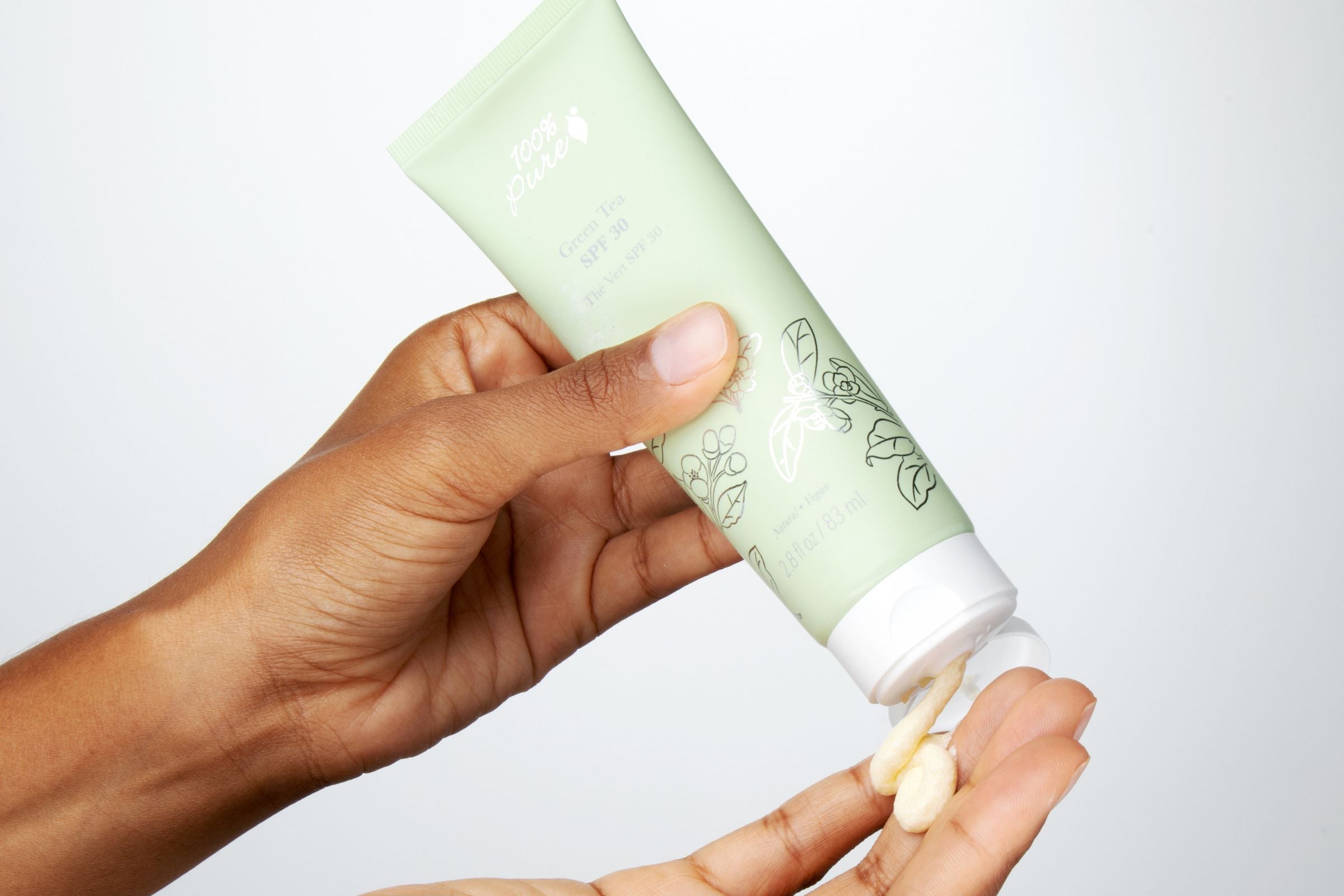
Green Tea SPF 30
This natural sunblock does double duty, combining the protective and anti-aging properties of green tea with the powerful antioxidant benefits of vitamin E to combat free radicals and environmental damage. Its hydrating base features soothing aloe and cucumber juice, with nourishing oils like raspberry, avocado, olive, and rosehip that soften and moisturize your skin for comfortable, all-day wear and protection against the sun.
Protection: SPF 30
Vegan: Yes
Contains Titanium Dioxide: No
Contains Zinc Oxide: Yes
Water Resistant: Yes
Type of Formula: Lotion
Yerba Mate Mist SPF 30
Embrace your perfect mate with this lightweight mist enriched with nourishing yerba mate. Similar to green tea, yerba mate leaf is packed with antioxidants that help defend against free radicals responsible for UV damage and signs of premature aging. Safflower seed oil lends a light floral scent while soothing and conditioning your skin. This reef-safe natural sunscreen spray features an easy application method, utilizing a compressed air canister built into the bottle, eliminating the need for ozone-depleting CFCs.
Protection: SPF 30
Vegan: Yes
Contains Titanium Dioxide: No
Contains Zinc Oxide: Yes
Water Resistant: Yes
Type of Formula: Spray
Expert Tips for Optimal Sunscreen Application and Protection
Proper sunscreen application is essential for avoiding severe side effects like sunburn, dark spots, and skin cancer. Regardless of whether it’s sweltering or cloudy outside, or even during fall and winter, it’s crucial to use sun protection daily. Our natural sunscreens will supply the necessary protection and skin nourishment year-round, enabling you to enjoy safe outdoor activities. However, there are important tips to enhance your sunscreen efficiency.
Application Strategies & Safety Measures: Establishing a thorough sunscreen routine is critical whenever you plan to spend time outdoors. This means wearing at least an SPF 30, even on cloudy days. Be mindful not to neglect key areas of your body when applying sun protection.
Reapplication Protocol and Sun Safety Practices: Ensure you reapply sunscreen after swimming or sweating, and refresh your application at least every two hours. Additionally, remember to wear UV protective sunglasses, a wide-brimmed hat, utilize an umbrella, and don protective clothing to maximize your defense against the sun!
Incorporating SPF into Your Daily Routine: Integrating sunblock with other natural skincare products in your daily regimen is straightforward and can provide maximum benefits for your skin.
Post-Sun Hydration: Keeping your skin hydrated is vital, whether you’ve just enjoyed a sunny day or participated in outdoor winter activities. The following products excel at hydrating and soothing the skin – and more!
Black Tea Grass Jelly Anti-oxidant Serum
Enhance your skin’s defenses against free radicals and aging with our concentrated antioxidant serum. Infused with Puerh Black Tea Leaves, this formula plumps and firms while deeply hydrating and nourishing your skin. Experience the ideal base for flawless makeup application while indulging in the ultimate skin protection.
Black Tea Grass Jelly Anti-oxidant Moisturizer
If you enjoy the benefits of the serum packed with black tea and grass jelly, you’ll love pairing it with our luxurious, ultra-hydrating moisturizer! Formulated to penetrate deeply, this moisturizer combats signs of aging by providing powerful hydration and beneficial antioxidants, ensuring your skin appears firmer, brighter, and radiantly youthful.
Honey Almond Nourishing Body Cream
This indulgently creamy body lotion is enriched with potent anti-aging vitamins and antioxidants for softer, more supple skin. Deeply moisturizing cocoa and avocado alleviate dryness and flaking, while aloe and rose hydrosol restore essential hydration. Additions of invigorating Kona green coffee and vitamin C brighten and revitalize the skin for a youthful glow. This silky-smooth body cream is delightfully scented with sweet, honey-glazed almonds.
Frequently Asked Questions: All You Need to Know About Natural Sunscreen
What Qualifies a Sunscreen as ‘Natural’?
A sunscreen is considered ‘natural’ if it contains ingredients derived from nature rather than harmful chemicals that can be absorbed by the skin, as is the case with many chemical sunscreens. The only active ingredients in a natural sunscreen are naturally occurring minerals, specifically zinc oxide and/or titanium dioxide. Additionally, natural sunscreens may include plant-derived oils, vitamins, and nutrients to nourish and hydrate the skin.
How Frequently Should I Reapply Natural Sunscreen?
Natural sunblock is not effective throughout the entire day and will degrade over time. It is advisable to apply it every 90 minutes to 2 hours, ideally 15 to 30 minutes before heading outdoors. If you are swimming or sweating, reapply immediately after rinsing off or towel-drying. Always maintain a strict sunscreen regimen when you plan to be outdoors, ensuring that you wear at least an SPF 30 even on overcast days, and reapply as necessary.
Can Natural Sunscreen Offer Sufficient Protection for Beach Days?
Absolutely! Natural sunscreens effectively work by physically blocking (instead of reacting with) UVA and UVB rays. Minerals like zinc oxide and titanium dioxide serve as a protective shield against rays that cause sunburn. It’s vital to reapply sunscreen, particularly after engaging in water activities. Additionally, wearing protective clothing and seeking shade whenever possible are excellent strategies for safeguarding your skin during extended beach outings.
Is Natural Sunscreen Safe for Children?
Natural sunscreens are generally more suitable for children compared to standard sunblocks. However, it’s best to verify labels for child-specific products. Look for gentle, hypoallergenic formulations with higher SPF levels to cater to young, sensitive skin.
How Do I Select a Natural Sunscreen for Various Outdoor Activities?
Begin by ensuring the sunscreen formula offers broad-spectrum protection with at least an SPF of 30. For swimming or other wet activities, opt for a water-resistant sunscreen. When engaging in physical activities, prioritize sweat-resistant and non-comedogenic formulas. Lotion formulas are excellent for daily use, while natural sunscreen mists are perfect for sports and outdoor endeavors. For time spent on the water, body sun protection sticks are a great option.
Final Thoughts on the Importance of Natural Sunscreen
A quality sunscreen is only as effective as its ingredients and the method of application. When it comes to sun protection, we’ll continue to advocate for the benefits of physical or mineral sunscreens. Their natural, mineral-based formulations are safer for both your skin and health while being gentler on the environment.
Conversely, chemical sunscreens typically contain harmful ingredients such as oxybenzone, which can lead to serious health concerns and contribute to coral bleaching in our oceans, a major threat to aquatic ecosystems.
In addition to adopting a comprehensive approach to sun protection, it’s also beneficial to combine natural sunscreens with physical barriers like hats and seeking shade. This strategy ensures robust defense against UV radiation. Remember, using natural sunscreen not only nurtures your skin but also promotes environmental preservation.
When you choose a natural sunscreen, your entire skincare regimen will yield better results in both the short and long term. Whether it’s 10 or 20 years down the line, your skin and health will express gratitude for the thoughtful protection. Moreover, consistent use of natural sunscreen throughout the year can enhance your skin’s overall condition. We would say that definitely adds a sweet touch to your skincare routine, making it a delightful experience on any sunny (or winter) day!
var windowWidth,lazyLink,lazyImages,lazySource,lazyBackground,lazyIframe,lazyScripts,navigator_platform,lazyLoadedJS,src,style,datasrc,urls,analytics,s,x,i,j,flag;
function init(){flag&&(flag=0,load_all_js(),lazyLoadImg(),lazyLoadBackground(),lazyLoadIframe(),lazyLoadSource())}
function isElementInViewport
var a=t.getBoundingClientRect();
return a.top>=0&&a.left>=0&&a.bottom<=(window.innerHeight||document.documentElement.clientHeight)&&a.right<=(window.innerWidth||document.documentElement.clientWidth)
}
function insertAfter(newNode, referenceNode) {
referenceNode.parentNode.insertBefore(newNode, referenceNode.nextSibling);
}
function isElementInView
var a=t.getBoundingClientRect();
return a.top(window.innerHeight/2||document.documentElement.clientHeight/2)
}
function lazyLoadLink(){
lazyLink.forEach(function
t.href=null==t.dataset.href?t.href:t.dataset.href
})
}
function lazyLoadImg(){
lazyImages.forEach(function
null!=(src=windowWidth<600?null==t.dataset.mobsrc?t.dataset.src:t.dataset.mobsrc:t.dataset.src)&&(t.src=src),t.classList.remove("lazy2")
})
}
function lazyLoadImg2(){
lazyImages.forEach(function
isElementInViewport
})
}
function lazyLoadSource(){
lazySource.forEach(function
t.srcset=null==t.dataset.srcset?t.srcset:t.dataset.srcset
})
}
function lazyLoadBackground(){
lazyBackground.forEach(function
lazybg=windowWidth<768?null==t.dataset
